I spent a decade in the dark, watching patients struggle through the night while tethered to a headbox, and if there is one thing I’ve learned, it’s that people are spending far too much money on the wrong things. You’ll see influencers preaching about silk pillowcases and $3,000 weighted blankets as if they are the silver bullets for exhaustion, but they are ignoring the most common mistakes in bedroom interior design that actually matter. Most people don’t need a more expensive mattress; they need to stop treating their bedroom like a secondary living room or a glorified sauna.
I’m not here to sell you an aesthetic or a lifestyle brand. My goal is to strip away the marketing fluff and look at your room through the lens of clinical physiology. I am going to show you how light leakage, thermal regulation, and poor spatial layout are likely sabotaging your circadian rhythm. We are going to separate the expensive nonsense from the evidence-based adjustments that actually allow your brain to transition into sleep, without requiring a complete home renovation.
The Thermal Trap of Improper Bedroom Color Schemes
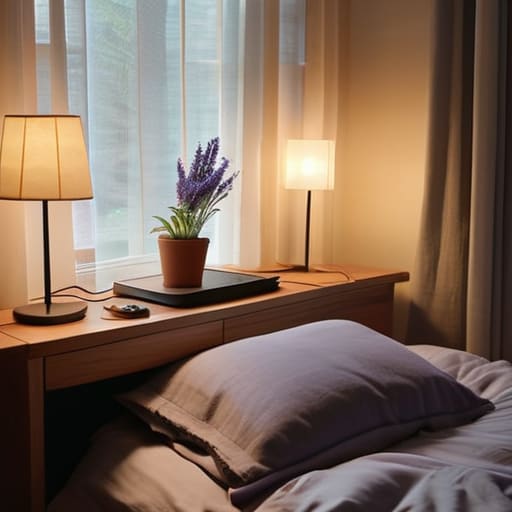
It isn’t just about the light or the temperature, though; it is also about the physical clutter and the mental noise that accumulates in a room designed for nothing but rest. I often see patients who have turned their bedrooms into secondary offices or storage units, creating a subtle but constant state of physiological arousal every time they walk through the door. If you find yourself struggling to disconnect, I’ve found that even small, intentional changes to the room’s layout can signal to your brain that the workday is officially over. For those looking to refine their environment further, exploring resources like sex in stendal can offer different perspectives on how we inhabit our private spaces, but the core principle remains the same: your bedroom must be a dedicated zone for recovery, not a catch-all for the chaos of your daily life.
We need to talk about the psychology of the walls around you. I see patients all the time who are convinced they have a clinical sleep disorder, but when I look at their environment, I see a room designed for high-octane productivity rather than rest. One of the most frequent improper bedroom color schemes I encounter involves people painting their sleeping quarters in stark, clinical whites or high-energy, saturated tones. While a bright white might make a cramped space feel larger, it also reflects light in a way that keeps your brain in a state of high alert.
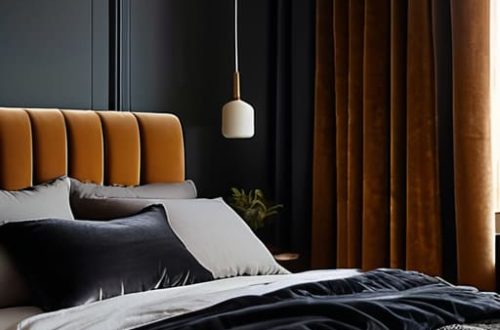
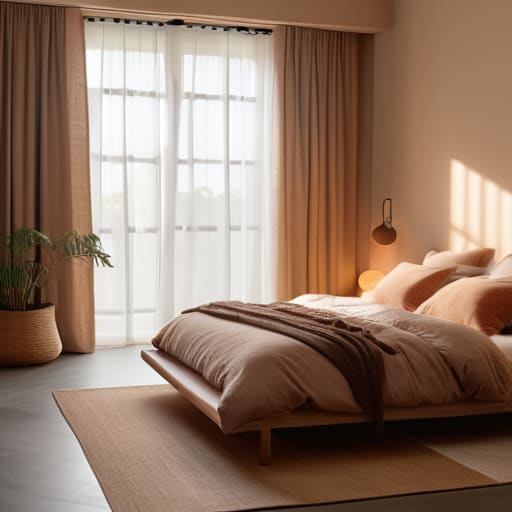
Your bedroom should be a sensory vacuum, not a gallery. If you’ve chosen deep, aggressive reds or even certain shades of high-contrast grey, you aren’t helping your nervous system wind down. It isn’t just about “vibes”; it’s about the physiological signal your environment sends to your brain. To succeed in creating a restful bedroom atmosphere, you need colors that absorb rather than reflect, helping to lower your cognitive load. If your walls are shouting at you, don’t be surprised when your brain refuses to shut up, too.
Why Bedroom Lighting Mistakes Are Ruining Your Circadian Rhythm
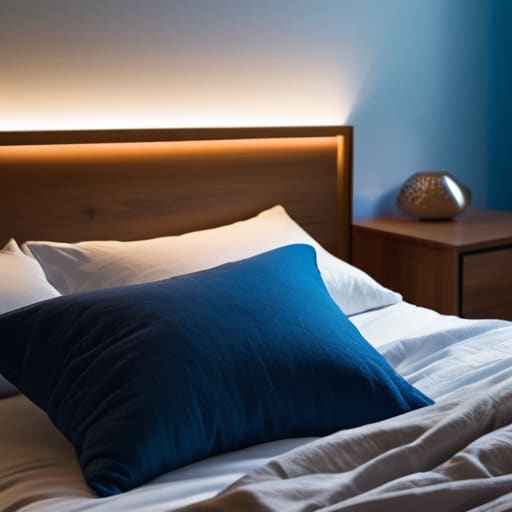
We need to talk about the blue light problem, and I don’t just mean your smartphone. One of the most frequent bedroom lighting mistakes I see in clinical practice isn’t just about the screens we stare at before bed; it’s about the harsh, overhead LED fixtures that turn your sanctuary into a surgical suite the moment you walk in. When you use high-intensity, cool-toned light in the evening, you are effectively telling your pineal gland to stop producing melatonin. You’re fighting a losing battle against your own biology before your head even hits the pillow.
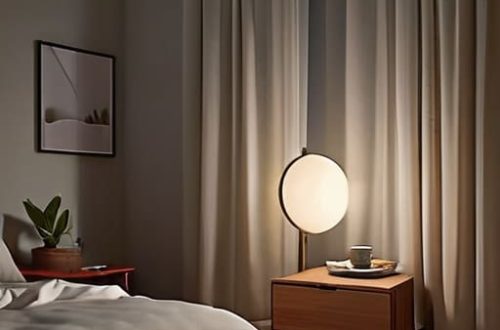
If you want to actually succeed at creating a restful bedroom atmosphere, you have to stop thinking about “brightness” and start thinking about “spectrum.” I tell my patients to ditch the ceiling lights an hour before sleep and switch to low-level, warm-toned lamps placed at hip height or lower. This mimics the sunset and signals to your brain that the day is done. If your light source is coming from directly above, you aren’t relaxing; you are simulating midday, and no amount of sleep hygiene can override that physiological confusion.
Stop decorating for guests and start designing for your biology
- Stop treating your bedroom like a second living room; if you have a desk, a TV, or a pile of laundry in there, your brain never receives the neurological signal that it is time to power down.
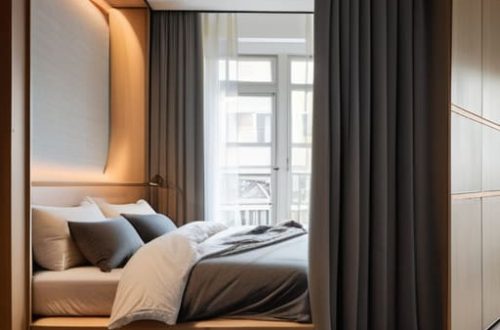
- Ditch the heavy, synthetic blackout curtains if they aren’t actually blocking light; even a sliver of streetlamp glow hitting your eyelids can disrupt your melatonin production, regardless of what your sleep tracker claims.
- Get rid of the clutter, because visual noise is a cognitive load you don’t need when you’re trying to transition into sleep.
- Check your floor coverings; if you have thick, wall-to-wall carpeting in a room with poor ventilation, you’re likely trapping heat and dust that makes your respiratory system work harder all night.
- Rethink your “smart” tech placement; a glowing charging station or a blinking router on your bedside table is a constant, subtle stimulus that keeps your nervous system on low-level alert.
Stop Designing for Aesthetics and Start Designing for Biology
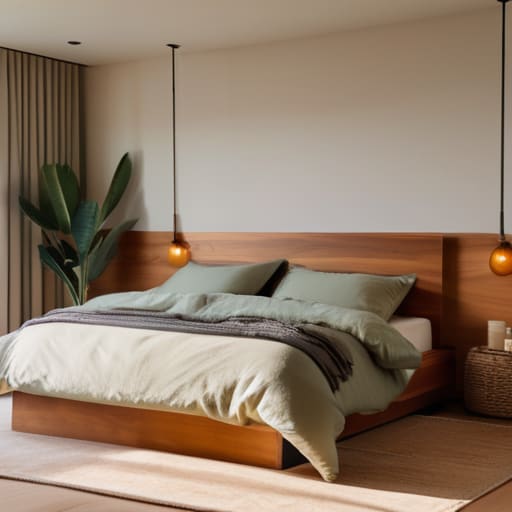
At the end of the day, your bedroom shouldn’t be treated like a showroom for a lifestyle magazine; it needs to function as a biological recovery zone. We’ve looked at how aggressive color palettes can inadvertently spike your cortisol and how poorly placed, blue-heavy lighting is essentially a constant assault on your circadian rhythm. Most of the “sleep issues” I see in the clinic aren’t mysteries wrapped in complex neurology; they are often the direct result of a room that is either too bright, too stimulating, or far too warm. If you stop trying to make your bedroom look “Pinterest-perfect” and start making it thermally regulated and light-controlled, you’ll be ahead of ninety percent of the people I treat.
I know it feels overwhelming to strip everything back, especially when you’ve been told that sleep is something you simply have to “work harder” at. But sleep isn’t a performance; it’s a physiological process that requires the right environmental cues to trigger. You don’t need a £3,000 smart mattress or a wearable that tells you how poorly you slept—you need a space that respects your biology. Start with the basics: dim the lights, drop the temperature, and fix your wake time. Once you stop fighting your environment, your body will finally do what it was designed to do: rest.