Stop listening to the interior design influencers telling you that you need a bespoke, built-in wardrobe system or a minimalist “zen” aesthetic to fix your sleep environment. Most of that advice is just expensive fluff designed to sell you things you don’t need. I’ve spent seventeen years looking at the physiological impact of environment on sleep, and I can tell you that your struggle with how to arrange furniture in a tiny bedroom isn’t a design failure; it’s usually a thermal and psychological one. You don’t need a professional decorator; you need to stop turning your sleeping quarters into a cluttered, heat-trapping warehouse that makes your brain feel as claustrophobic as your floor plan.
If you find that even the most efficient layout isn’t helping you unwind, it might be because your bedroom has become a place of isolation rather than connection. Sometimes, the physical environment is fine, but the emotional atmosphere is what’s actually keeping you wired and restless. If you’re feeling a bit disconnected or just need a way to bridge that gap after a long, stressful day, finding a bit of meaningful interaction through adult chat Essex can sometimes be the mental reset you need to finally stop overthinking and actually settle into your space.
I’m not here to give you a list of trendy Pinterest hacks that look good in a photo but feel terrible at 3:00 AM. Instead, I’m going to show you how to prioritize airflow and mental space over aesthetics. We are going to look at the actual mechanics of how your bed placement affects your body temperature and why that heavy, oversized dresser is likely the reason you’re tossing and turning. This is about functional layout, not just making a small room look pretty.
Why Your Small Bedroom Layout Ideas Are Failing You
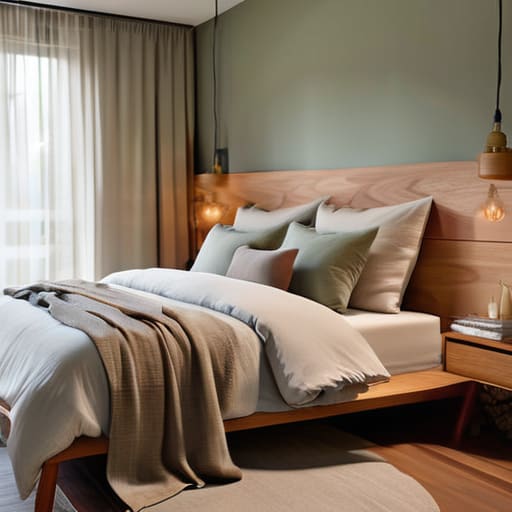
The reason your Pinterest-perfect small bedroom layout ideas aren’t working isn’t because you lack aesthetic sense; it’s because you’re ignoring the physiological reality of your environment. Most people approach a cramped room like a Tetris puzzle, focusing entirely on maximizing floor space in tiny bedrooms as if more open carpet equals better rest. But as someone who has spent seventeen years watching how the body reacts to its surroundings, I can tell you that a “spacious” feeling is useless if you’ve inadvertently created a thermal trap.
When you prioritize clever-looking space saving furniture for small rooms—like those heavy, dark-wood multifunctional pieces—you often end up sacrificing airflow. If you’ve stuffed every corner with storage to keep the floor clear, you’re likely trapping heat against your mattress. You might think you’ve solved your clutter problem, but if your bedroom feels like a sauna by 3:00 AM, your layout has failed its most important job. We need to stop treating bedroom design like an interior design exercise and start treating it like environmental regulation for your nervous system.
Maximizing Floor Space in Tiny Bedrooms Without the Clutter
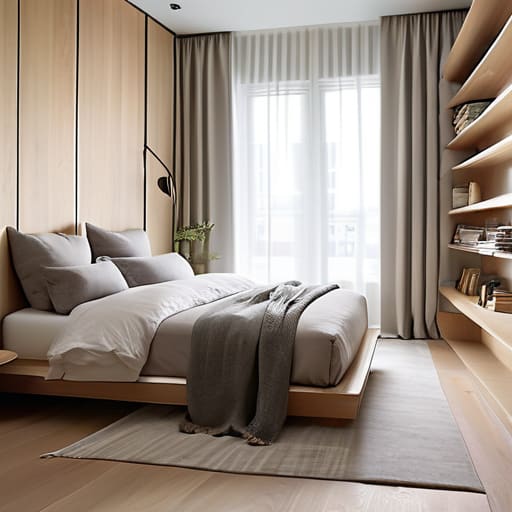
The mistake I see most often—and it’s a mistake that ends up on my clinic floor when patients complain of feeling “stifled” in their own rooms—is treating a tiny bedroom like a storage unit rather than a sanctuary. If you are trying to maximize floor space in tiny bedrooms by simply shoving everything against the walls, you’re likely creating a visual and physical bottleneck. Instead of looking at the floor, look up. Implementing vertical storage solutions for bedrooms—think floating shelves or tall, slim bookcases—gets the clutter off your walking path and away from your immediate line of sight when you’re trying to wind down.
You also need to stop viewing your furniture as single-use objects. If you’re struggling with studio apartment bedroom organization, you cannot afford the luxury of a standard, bulky bedside table that serves no other purpose. Look for multipurpose furniture for small spaces, like a storage ottoman at the foot of the bed or a slim desk that doubles as a vanity. When your furniture works twice as hard, your room feels less like a crowded cupboard and more like a functional space where you can actually breathe.
Stop treating your bedroom like a storage unit: 5 layout shifts that actually matter
- Prioritise the “thermal zone” around your bed. I see so many people shoving a bulky wardrobe right up against the headboard of a small bed; you’re essentially creating a heat trap. Move the heavy furniture away from your breathing space so air can actually circulate, or you’ll be fighting your own body temperature all night.
- Stop the “corner-hugging” obsession. We are told to push everything against the walls to “open up” the room, but if that means your bed is wedged into a corner where you can’t easily get out, you’re increasing your sleep fragmentation. Give yourself a little breathing room on at least one side; a sense of physical autonomy is better for your nervous system than an extra six inches of visible floor.
- Use verticality to save your floor, but watch the shadows. If you’re using tall, narrow shelving to save space, make sure they aren’t looming over your head in a way that feels claustrophobic. A bedroom should feel like a sanctuary, not a narrow corridor in a hospital wing.
- The “walking path” rule is non-negotiable. If you have to perform a rhythmic dance or shimmy sideways just to reach your bedside lamp, your brain is staying in a state of low-level alertness. If the furniture layout forces you to navigate an obstacle course, it’s a bad layout, regardless of how “aesthetic” it looks on Pinterest.
- Ditch the oversized bedside table for a wall-mounted ledge. In a tiny room, a massive chunky nightstand is just a magnet for clutter and a thief of floor space. A simple, slim ledge gives you a spot for your water and glasses without making the room feel like it’s closing in on you.
Beyond the Floor Plan
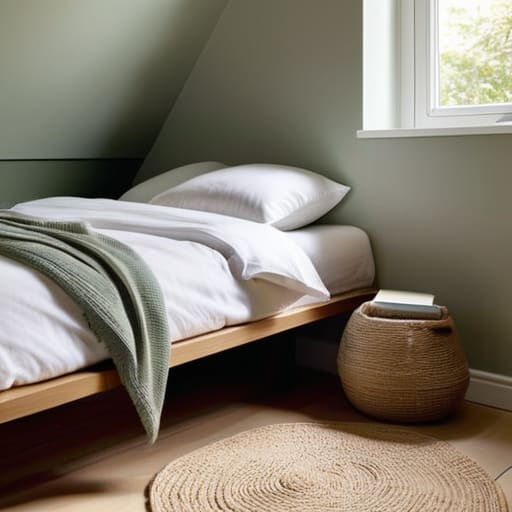
At the end of the day, arranging a tiny bedroom isn’t just about clever geometry or finding the perfect corner for a bedside table; it’s about managing the environment that your body has to inhabit for a third of its life. We’ve looked at how to stop the clutter from suffocating your space and why cramming too much into a small footprint actually creates a thermal and psychological trap that works against your biology. If you’ve managed to clear the floor and position your bed so you aren’t staring at a wall of junk, you’ve already done the heavy lifting. Remember, the goal isn’t to create a showroom; it’s to create a space where your nervous system can actually decompress without feeling claustrophobic.
I spend my days looking at sleep data, and I can tell you that the most sophisticated wearable in the world won’t fix a room that feels chaotic. A well-arranged room is a silent partner in your rest. It provides the physical and mental breathing room necessary to signal to your brain that the day is done. Don’t get obsessed with perfection or the latest minimalist trend; just focus on creating a layout that feels intentional rather than accidental. Once you stop fighting your floor plan, you might finally find that the sleep you’ve been chasing isn’t hidden in a new supplement, but in the simple, quiet order of a room that finally fits you.