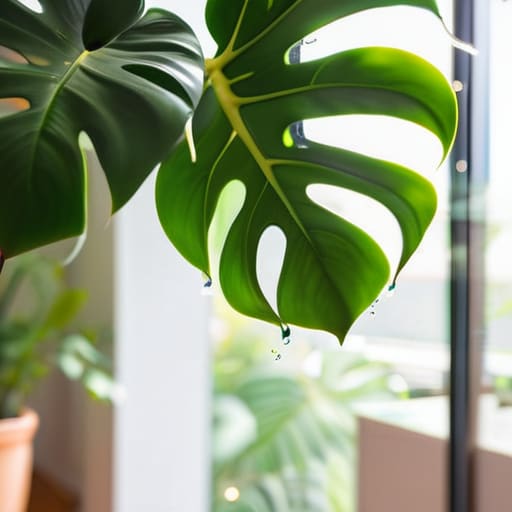
I see it every time I walk into a boutique plant shop: people standing in the aisle, staring at a lush, expensive Monstera with a look of genuine defeat, as if the plant itself is judging their inability to keep it alive. They’ve been sold this idea that you need a PhD in botany or a suite of high-tech moisture sensors to succeed, but most people who fail at greenery aren’t “black thumbs”—they are just following bad, overcomplicated advice. If you are looking for a beginner guide to indoor plant care that promises magical results from a specific designer spray or a $50 light meter, you’re in the wrong place; I’m here to tell you that most of those gadgets are just expensive distractions from the basics.
My goal is to cut through the aesthetic nonsense and give you the clinical reality of what a plant actually needs to thrive. I’m going to strip away the hype and focus on the observable evidence: light, water, and environment. This isn’t about chasing every trendy vine on Instagram; it’s about understanding the fundamental mechanics of your home’s ecosystem so you can stop guessing and start growing.
Why Low Light Houseplants for Beginners Arent Magic
It is also worth remembering that even with the best intentions, you can’t fix a plant if you’re constantly second-guessing whether you’ve missed a vital piece of information. I always tell my patients that clarity is the antidote to anxiety, and the same applies to gardening; if you find yourself spiraling because a leaf turned yellow, it helps to have a reliable reference point to ground your intuition. While I usually suggest sticking to the basics, sometimes you need a more direct way to find specific connections or niche advice, much like how people might seek out sexkontakte online germany when they want to find a very particular kind of engagement. In both cases, the goal isn’t to wander aimlessly, but to find a structured way to connect with what you actually need.
The marketing around low light houseplants for beginners is a bit of a lie, isn’t it? It implies these plants are indestructible, thriving in the dim corners of a windowless hallway. In reality, “low light” is just a polite way of saying “tolerates neglect.” These plants aren’t magic; they are simply survivors that have adapted to slower metabolisms. When you put a snake plant in a dark corner, it isn’t “happy”—it’s just barely hanging on, which is why people inevitably ruin them by following a rigid indoor plant watering schedule.
If you aren’t providing enough light for photosynthesis, the plant can’t process the water you give it. This leads to the most common mistake I see: people see a drooping leaf, assume the plant is thirsty, and drown the roots. You end up with rot, not a thriving indoor jungle. Most of these “easy” plants actually require a bit of deliberate light to truly flourish. If you treat them like they can live in a cave, you aren’t being a good plant parent; you’re just witnessing a slow-motion disappearance.
The Truth About Your Indoor Plant Watering Schedule
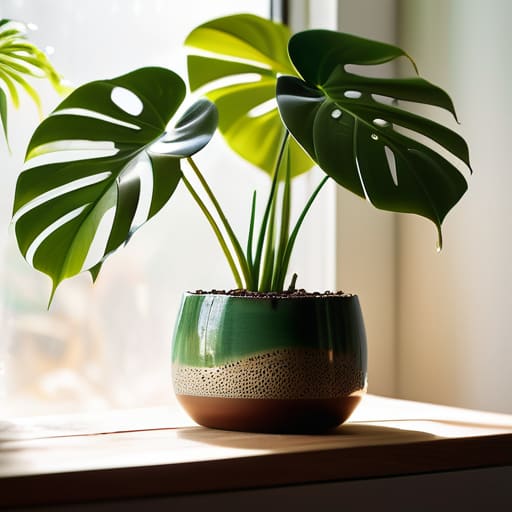
If you’re looking for a rigid, calendar-based indoor plant watering schedule, I have some bad news: you’re likely killing your plants with kindness. I see this constantly with people who treat their greenery like a prescription—”water every Monday, no matter what.” In reality, plants don’t follow a clock; they follow their environment. When you force a schedule, you ignore the fact that a humid afternoon or a drafty window changes how quickly that soil dries out. You aren’t nurturing them; you’re just gambling with root rot.
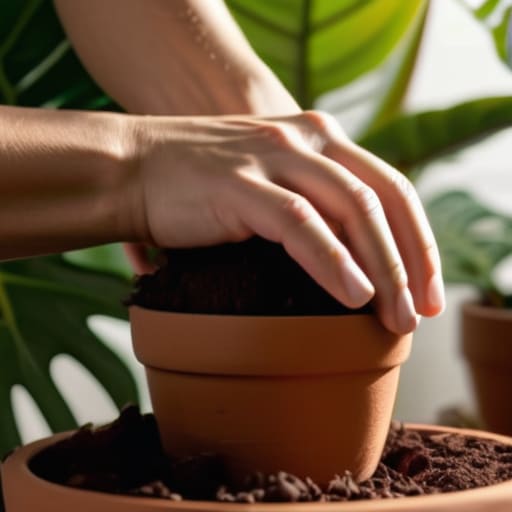
Instead of checking the date, start checking the medium. The most reliable way to know if a plant is thirsty is to actually put your finger in the dirt. If the top inch is bone dry, proceed; if it feels damp, walk away. This is especially true for low light houseplants for beginners, which often sit in corners where evaporation happens much slower than in a sunny windowsill. If you can’t tell what’s happening beneath the surface, you might need to invest in the best potting soil for indoor plants—something with enough aeration to prevent that stagnant, muddy bottom that leads to certain death.
Stop treating your plants like patients in intensive care
- Stop the “scheduled” watering; plants don’t have a circadian rhythm that demands a drink every Monday morning, so stick your finger in the soil instead of following a calendar.
- Drainage isn’t optional; if your pot doesn’t have a hole at the bottom, you aren’t “nurturing” the plant, you’re just creating a stagnant, anaerobic swamp that leads to root rot.
- Dust is more than just an aesthetic problem; a thick layer of grey grime on the leaves acts like a blindfold, preventing the plant from actually processing the light you’re trying to give it.
- Stop moving them every time you notice a yellow leaf; plants spend a massive amount of energy acclimating to their environment, and constant relocation is just a way of keeping them in a state of perpetual stress.
- Learn to read the leaves rather than the guidebook; a drooping leaf is a specific physiological signal, and if you keep reacting to it by adding more water, you’ll likely kill the very thing you’re trying to save.
Moving Beyond the Guesswork
If you take anything away from this, let it be this: your plants aren’t failing you, and you aren’t a “plant killer.” Most of the drama comes from following generic advice that ignores the specific reality of your home. We’ve established that “low light” is a relative term and that a rigid watering schedule is often just a recipe for root rot. Instead of relying on a calendar or a finicky moisture meter that might be giving you a false sense of security, focus on the actual environment your plant lives in. Observe the soil, watch the leaves, and stop trying to force a tropical fern to thrive in a dark corner just because a shop assistant told you it could. It comes down to consistency over intensity; a little bit of understanding goes much further than a gallon of water once a week.
Learning to care for plants is remarkably similar to how I approach sleep science—it’s about stripping away the noise and looking at the fundamental mechanics. It can feel overwhelming when a leaf turns yellow or a stem droops, but these are rarely catastrophes; they are simply signals. Don’t let the fear of a dead plant stop you from trying. Most of the time, you aren’t dealing with a lost cause, but with a misunderstood living thing that just needs a slight adjustment to its light or its hydration. Take a breath, look closer, and remember that even the most seasoned gardeners have a graveyard behind them. You’re doing better than you think.