I can already see the marketing ads for high-tech sleep masks and expensive melatonin gummies, promising a magical solution for your jet lag. Honestly, it’s exhausting. Most of these products are just expensive ways to mask a problem that is usually much simpler—and much more biological—than a gadget can fix. If you are looking for a complete guide to travel sleep that involves buying a dozen different supplements or a $200 smart ring, you’ve come to the wrong place. I’ve spent seventeen years watching people struggle with sleep architecture in a clinical setting, and I can tell you that true rest isn’t something you can purchase in a pharmacy aisle; it’s about managing your body’s internal clock against the chaos of a changing timezone.
In this guide, I’m going to cut through the noise and give you the clinical reality of what actually happens to your physiology when you cross borders. We aren’t going to talk about lavender oils or “sleep hygiene” platitudes that don’t work when you’re sitting in a pressurized metal tube at 30,000 feet. Instead, I will provide a no-nonsense roadmap to help you distinguish between temporary travel fatigue and a genuine disruption of your circadian rhythm. We will focus on what actually moves the needle: light exposure, temperature, and consistent wake times, regardless of where in the world you happen to be landing.
Understanding Complete Guide to Travel Sleep
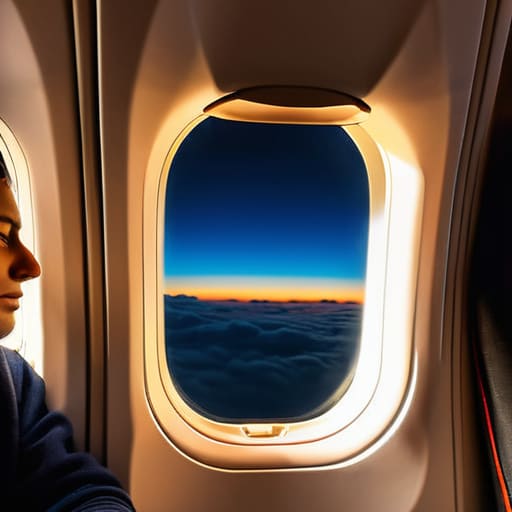
When we talk about a “complete guide to travel sleep,” we aren’t talking about a magic pill or a list of expensive gadgets. Most of what people seek is actually a way to manage the collision between their internal clock and a new time zone. If you are flying east, you are essentially asking your brain to perform a feat of biological gymnastics. This is where circadian rhythm adjustment strategies become vital; it isn’t just about when you sleep, but when you choose to see light and when you choose to seek darkness.
I see so many travelers obsessing over the best sleep aids for long flights, treating a heavy dose of melatonin like a silver bullet. While some aids have their place, they won’t fix a schedule that is fundamentally broken. Real success comes from understanding that travel fatigue is often a combination of physiological shifts and environmental stressors. To truly master this, you have to look beyond the cabin pressure and start thinking about how to stabilize your rhythm despite the chaos of transit.
Key Things to Know
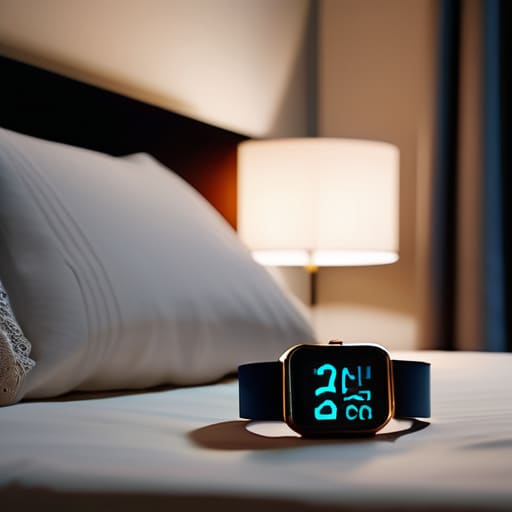
First, let’s get one thing straight: your wearable’s “sleep score” from last night in a hotel room is almost certainly nonsense. These devices are decent at detecting movement, but they are notoriously bad at distinguishing between actual restorative sleep and the restless, shallow tossing that happens when you’re in an unfamiliar environment. If you’re obsessing over a low score while trying to manage overcoming hotel sleep disturbances, you’re likely just fueling the very anxiety that keeps you awake.
Instead of chasing data, focus on the physiological reality of your shift. Most travel-related exhaustion isn’t actually insomnia; it’s a massive mismatch between your internal clock and your new surroundings. Effective circadian rhythm adjustment strategies aren’t about magic supplements; they are about light exposure and, crucially, your wake time. If you can control when you see the sun, you have much more leverage over your biology than any “smart” ring can provide. We need to stop treating travel fatigue as a mystery to be solved by gadgets and start treating it as a predictable biological transition.
Practical Tips and Steps
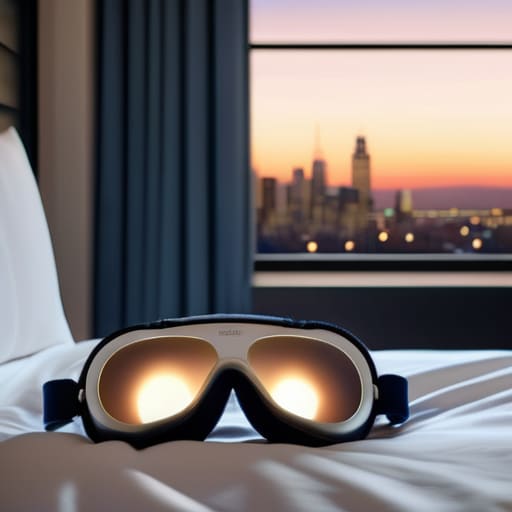
First, let’s address the bedroom environment. When you arrive at a hotel, your instinct might be to just collapse, but your body is already fighting a battle against a new environment. To assist with overcoming hotel sleep disturbances, I always tell my patients to perform a quick “sensory audit” of the room. Is the thermostat set to a reasonable temperature? Most hotel rooms are kept far too warm, which is a recipe for fragmented sleep. If you can, bring your own portable sleep accessories—a familiar pillowcase or a high-quality eye mask—to signal to your brain that it is safe to descend into deeper stages of sleep.
Secondly, stop trying to “fix” your sleep with a cocktail of supplements the moment you land. Instead, focus on circadian rhythm adjustment strategies that rely on light rather than chemistry. If you’ve crossed multiple time zones, the most effective tool you have is natural sunlight. Seek out bright light in the morning of your destination to anchor your clock, and avoid it in the evening. This isn’t about “trying harder” to sleep; it’s about giving your physiology the correct cues to do its job.
Common Mistakes to Avoid
The biggest mistake I see—and I see it in my clinic every week—is people trying to “brute force” their way through exhaustion using massive doses of caffeine or, conversely, heavy sedatives the moment they land. If you’re relying on a sleeping pill to force your body into submission while your internal clock is screaming in a different time zone, you aren’t resting; you’re just sedating a confused system. This often leads to a cycle of grogginess that makes circadian rhythm adjustment strategies much harder to implement later.
Another pitfall is the obsession with your wearable’s data. I cannot stress this enough: your smartwatch does not know if you were in deep sleep or if you were just lying very still in a dark room. Travelers often panic when they see a “poor sleep score” on their app, which creates a feedback loop of anxiety that actually prevents sleep. Instead of chasing a digital number, focus on overcoming hotel sleep disturbances by controlling your environment—temperature and light—rather than staring at a screen. Stop treating your tracker like a medical diagnostic tool; it’s just a fancy pedometer with a sleep setting.
Final Thoughts
At the end of the day, don’t let a poorly rated night in a hotel or a messy sleep score on your wrist convince you that you’re broken. Travel is inherently disruptive to our biology; it is a physiological stressor, not necessarily a permanent change to your neurological makeup. If you approach your trip with a focus on circadian rhythm adjustment strategies—like seeking morning light and anchoring your wake time—rather than frantically searching for the “magic” pill, you’ll find the transition much smoother.
I often see patients who spiral into anxiety because their wearable told them they had “poor” sleep during a holiday. Please, remember that your tracker is a guestimator, not a polysomnograph. Use portable sleep accessories like high-quality eye masks or earplugs to manage your environment, but don’t let the data dictate your mood. Focus on the basics: keep your room cool, stay hydrated, and give your body permission to recalibrate. You aren’t failing at sleep; you are simply navigating a temporary shift in your rhythm.
Five ways to stop fighting your biology when you're on the move
- Stop trying to force a ‘normal’ bedtime. If you’re crossing time zones, your circadian rhythm doesn’t care about your itinerary. Instead of fighting to sleep at 10 PM local time when your brain thinks it’s midday, focus entirely on your wake-up time. Get into the light as soon as you can; that’s the signal your brain actually needs.
- Abandon the ‘sleep score’ anxiety. If you’re wearing a tracker on a long-haul flight, you’re likely just going to stare at a low number and stress yourself into even less rest. A wearable cannot distinguish between the shallow sleep of a moving plane and a clinical sleep disorder. If you feel rested enough to function, ignore the wrist-based judgment.
- Manage your core temperature, not just your pillow. Travel often means stuffy cabins or hotel rooms with unpredictable heating. Your body needs a drop in core temperature to initiate deep sleep. If you can’t control the thermostat, a quick lukewarm shower before bed can help trick your body into that necessary cooling phase.
- Distinguish between ‘travel fatigue’ and actual insomnia. If you’re struggling to sleep because you’ve been in a pressurized cabin for twelve hours, that isn’t a disorder—it’s a physiological response to a disrupted environment. Don’t start self-diagnosing with sleep aids; give your system a few days of consistent wake times to reset first.
- Curate your sensory environment with clinical intent. Don’t just grab any earplugs; use high-quality silicone ones that actually seal the ear canal. The goal is to minimize the micro-arousals caused by engine hum or cabin announcements, which might not wake you up fully but will certainly prevent you from reaching the restorative stages of sleep.
The Essentials to Remember
Stop obsessing over your wearable’s sleep score; a gadget on your wrist cannot tell the difference between a restless night and a clinical sleep disorder, and the anxiety it causes is often worse than the fatigue itself.
Prioritise your wake-up time over your bedtime; when you are travelling, the most effective way to anchor your circadian rhythm is to get up at a consistent hour, regardless of how much you tossed and turned the night before.
Distinguish between travel fatigue and a genuine issue; if your sleep struggles vanish once you’re back in your own routine, you don’t have insomnia, you just have a temporary misalignment that needs patience, not a medical intervention.
Frequently Asked Questions
My wearable says my sleep quality plummeted during my flight, but I felt fine—should I trust the data or my own body?
Trust your body, not the wristband. These wearables are glorified motion sensors; they guess your sleep stages based on movement and heart rate, but they aren’t measuring brain waves in a clinical polysomnography. If you felt rested, you likely were. A “plummeting score” usually just means your movement patterns changed due to the cabin environment. Don’t let a piece of consumer tech manufacture anxiety about a flight that your body actually handled quite well.
Is it possible that my travel fatigue is actually masking a pre-existing sleep disorder like sleep apnea?
It’s more than possible; it’s a frequent reality in my clinic. Travel fatigue—the jet lag, the irregular schedules, the recycled cabin air—acts like a magnifying glass for existing issues. If you’ve been struggling with heavy snoring or waking up gasping long before your trip, the disruption isn’t just “travel fatigue.” It’s your body’s inability to cope with the shift. Don’t let a flight excuse a clinical problem that’s been there all along.
How do I tell the difference between a temporary case of jet lag and a genuine disruption to my circadian rhythm that needs clinical attention?
If your sleep issues vanish once your schedule stabilizes and you’ve caught up on some decent hydration, it’s likely just jet lag. But if the disruption persists long after you’ve returned to your routine—or if you find yourself unable to sleep even when your environment is perfect—we need to talk. If you’re staring at the ceiling every single night regardless of time zones, it’s not travel fatigue; it’s a rhythm that needs clinical investigation.