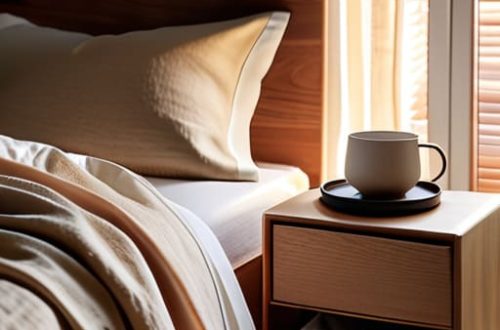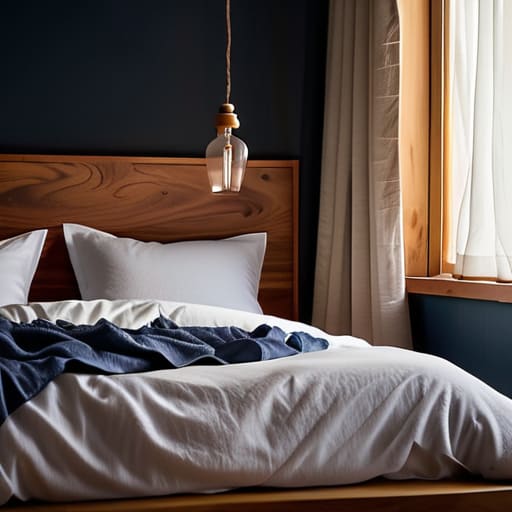
I spent a decade in the dark, watching patients twitch and struggle while tethered to a headbox in a clinical sleep lab, and if there is one thing I’ve learned, it’s that most people are looking for sleep solutions in all the wrong places. You’ve been sold this idea that you need a thousand-pound smart mattress or a subscription to a meditation app to finally get some rest, but frankly, most of those expensive gadgets are just expensive distractions. We spend so much time obsessing over high-tech metrics that we completely ignore the basic, physiological realities of our surroundings. If you are searching for ways to improve bedroom environment by adding more sensors and screens, you are likely just adding more noise to a room that is fundamentally misconfigured for human biology.
I’m not here to sell you a lifestyle brand or a piece of wearable tech that will only serve to make you anxious about your “sleep score.” Instead, I want to talk about the things that actually move the needle—the stuff that matters when your brain is trying to transition from wakefulness to unconsciousness. I’m going to strip away the marketing fluff and give you the evidence-based essentials, focusing on the temperature, light, and timing factors that actually dictate your sleep quality. We’re going to stop chasing the hype and start looking at what your body actually needs to shut down.
The Truth About Optimizing Bedroom Lighting for Sleep
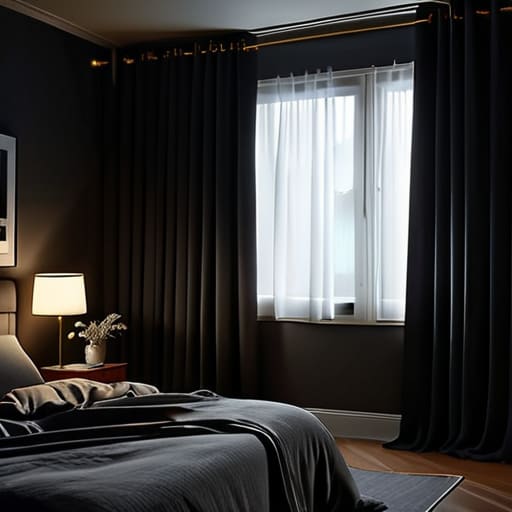
I see it constantly in clinic: patients who have spent hundreds of pounds on “smart” bulbs and sunrise simulators, yet they still can’t settle. We tend to overcomplicate this. While there is a lot of noise about optimizing bedroom lighting for sleep, the biological reality is much simpler. Your brain doesn’t need a curated spectrum of violet light; it needs a signal that the day is over. That signal is darkness. If you have a streetlamp bleeding through your curtains or a standby light from a television pulsing in the corner, you are effectively telling your pineal gland to stay on duty.
The goal isn’t to create a “spa-like” ambiance through complex bedroom color psychology for relaxation; it’s about managing photon density. I tell my patients to stop chasing the latest gadget and start looking at their light leaks. If you can see your hand in front of your face, it’s too bright. Invest in decent blackout curtains or a simple, high-quality eye mask. It’s less about the “vibe” and more about the physiological necessity of a dark environment to trigger melatonin production.
Why Finding the Best Bedroom Temperature for Sleeping Isnt Enough
You’ll see it everywhere: “Set your thermostat to 18°C for the perfect night’s sleep.” It’s a fine starting point, but treating temperature as a magic number is a mistake. After seventeen years in the clinic, I’ve learned that a cool room is useless if your body can’t actually shed its core heat. You can find the best bedroom temperature for sleeping on paper, but if you’re wearing heavy fleece pyjamas or tucked under a synthetic duvet that traps heat, you’re effectively fighting against your own biology.
The real issue is often about thermoregulation, not just the air temperature. I see patients all the time who have optimized their lighting and noise, yet they still wake up sweating or shivering because their environment lacks stability. It isn’t just about the thermostat; it’s about how your body interacts with the space. This is why I often tell people that searching for the perfect temperature is a bit of a fool’s errand if you aren’t also looking at improving indoor air quality in bedroom spaces to ensure proper circulation. If the air is stale and heavy, that “cool” room will still feel stifling.
Beyond the Thermostat: Four Things You’re Still Getting Wrong
- Stop treating your bed like a second office; if you spend your waking hours scrolling, working, or worrying in bed, your brain loses the neurological association between that mattress and sleep.
- Audit your noise environment for the ‘sudden spike’ rather than the constant hum; a white noise machine can mask a steady fan, but it won’t save you from a neighbor’s slamming car door or a barking dog.
- Clear the visual clutter that triggers ‘task-switching’ in your brain; a bedroom filled with half-finished projects or piles of laundry keeps your cortisol levels higher than they need to be for a restful night.
- Invest in actual blackout curtains rather than relying on a sleep mask that slips halfway through the night; if you can see your alarm clock’s glow, your pineal gland is already getting the wrong signals.
- Get the electronics out of reach—and I mean truly out of reach—because the temptation to check a notification at 3:00 AM is a physiological trap that breaks your sleep architecture.
Getting Real About Your Sleep Sanctuary
At the end of the day, optimizing your bedroom isn’t about buying the most expensive blackout curtains or a smart bulb that changes colour with your mood. It’s about the fundamentals that we often overlook because they aren’t “innovative” enough to sell. We’ve talked about why light hygiene matters and why that thermostat setting is likely the culprit behind your midnight tossing and turning, but remember: these are just tools to support a stable rhythm. If you fix the light and the temperature but keep a chaotic wake time, you are merely decorating a sinking ship. You cannot out-gadget a fundamental lack of consistency.
I know how exhausting it is to feel like you’re constantly failing at “sleep hygiene” every time you look at a disappointing sleep score on your wrist. But please, stop treating your bedroom like a laboratory that needs constant recalibration. Instead, try to view it as a place that simply needs to be quiet, cool, and predictable. You don’t need a high-tech sanctuary to find rest; you just need to stop fighting your biology and start creating an environment that allows it to do its job. Sleep is a physiological process, not a performance metric, and sometimes the best thing you can do is simply turn off the lights and trust the process.
It is also worth considering the sensory distractions that creep in when you aren’t looking, particularly the noise pollution that can disrupt your transition into deep sleep. While I often tell my patients that a white noise machine isn’t a magic cure, it can certainly mask those sudden, jarring sounds that trigger a cortisol spike in the middle of the night. If you find that your environment feels a bit too exposed or unsettling, you might find some relief in exploring more discreet, private ways to manage your personal space, such as looking into private huren to better understand how setting clear boundaries in your environment can actually help you feel more secure and settled. Ultimately, whether it is sound, light, or temperature, the goal is to create a space where your nervous system feels safe enough to switch off.