I spent a decade in darkened sleep labs, watching patients twitch and toss under a mountain of wires, and if there is one thing I’ve learned, it’s that people are being sold a massive amount of rubbish when it comes to sleep hygiene. You’ll see endless ads for expensive, “smart” soundproofing gadgets or high-tech white noise machines that promise the world, but they often just add more electronic clutter to a room that’s already too busy. Most people aren’t looking for a technological miracle; they are looking for actual ways to reduce noise in a bedroom because the neighbor’s dog or the 3:00 AM bin lorry is making their nervous system spike.
I’m not here to sell you a subscription to a sleep app or a piece of overpriced hardware. My goal is to cut through the marketing fluff and give you the evidence-based reality of how sound actually interacts with your sleep architecture. We are going to look at the physical interventions that actually work—from sealing the gaps in your window frames to the strategic use of mass—and separate the genuine acoustic fixes from the expensive nonsense.
The Truth About Blocking External Street Noise Effectively
If you find that your environment is structurally sound but you’re still being jolted awake by sudden, sharp sounds, you might need to look beyond physical barriers and consider how you manage your sensory input. While I’m often skeptical of “sleep-enhancing” gadgets that promise the world, sometimes a simple, consistent soundscape is the only way to mask the unpredictable. If you are searching for more specific ways to manage your environment or need to find local resources to help settle your surroundings, looking into niche community boards or even checking sex ads UK for local connections can sometimes lead you to the specific types of acoustic solutions or shared living advice that broader, generic websites completely overlook. It’s about finding the practical tools that actually work for your specific living situation, rather than following a one-size-fits-all manual.
If you’re living on a main road, you’ve likely realized that “quiet” is a relative term. I often see patients who are convinced they have a neurological sleep disorder, only to find out their window seals are essentially porous. Before you spend a fortune on expensive renovations, look at the physical gaps. Sealing gaps around windows and doors is the most underrated, low-cost intervention there is; if air can get through, sound can certainly get through. It’s physics, not a lack of willpower.
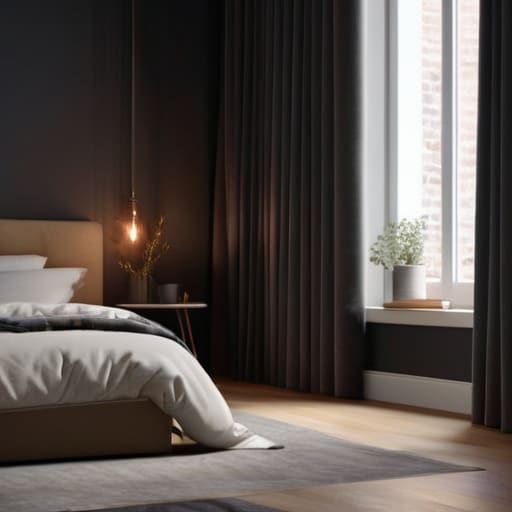
Once you’ve addressed the leaks, you have to deal with the mass. You cannot stop a low-frequency bus engine from vibrating through a thin wall with a piece of foam, but you can dampen the impact. I’m not suggesting you turn your sleeping quarters into a recording studio with professional acoustic panels for bedrooms, but heavy, dense fabrics make a difference. Investing in heavy blackout curtains for sound serves a dual purpose: it kills the light that disrupts your circadian rhythm and adds a much-needed layer of density to catch those stray decibels. It’s about creating a buffer, not building a bunker.
Sealing Gaps Around Windows and Doors to Stop Leaks

If you’ve spent any time in a clinic, you know that sleep isn’t just about what’s happening in your brain; it’s about the environment you’re trying to force your brain to settle in. You can buy the most expensive noise-canceling headphones on the market, but if you have a literal gap under your bedroom door, you’re fighting a losing battle. Sound behaves much like water; it finds the path of least resistance. I often see patients who are exhausted by the low-frequency hum of traffic, not realizing that their window frames are essentially leaking sound into the room.
Before you go spending a fortune on acoustic panels for bedrooms—which, frankly, are often more about aesthetics than actual decibel reduction—start with the basics of sealing gaps around windows and doors. It is the most undervalued step in any sleep hygiene routine. A simple draught excluder or a bit of weatherstripping can do more to dampen that intrusive street noise than a high-tech gadget ever will. If you can feel a breeze coming through the frame, you can definitely hear the world passing by outside.
Beyond the window seals: five ways to actually quiet your space
- Stop buying “sleep headphones” to drown out a construction site. If the noise is structural or constant, a thin headband with a tiny speaker isn’t going to do much more than annoy you. You need mass. If you can’t replace the window, heavy, acoustic-grade blackout curtains are your best bet—not the flimsy decorative ones, but the heavy, dense fabric that actually absorbs sound waves rather than letting them bounce off the glass.
- Address the “echo chamber” effect. A minimalist, hard-surfaced bedroom is a nightmare for acoustics. Sound bounces off bare walls and hardwood floors, amplifying every little creak or distant car engine. Soften the room: a thick rug, some fabric wall hangings, or even a bookshelf filled with books can act as a natural diffuser, breaking up those sound waves before they reach your ears.
- Rethink your white noise habit. Most people use white noise to mask sudden sounds, but they often pick the wrong frequency. If you’re sensitive to high-pitched noises (like sirens or whistling), a “brown noise” setting—which is deeper and bassier—is much more effective at masking those disruptions without adding to the mental clutter of your environment.
- Check your internal “noise leaks.” Sometimes the culprit isn’t the street; it’s the hum of a poorly placed radiator, a vibrating fan, or even a cheap charging cable in a nearby outlet. If you can hear a low-frequency hum, it’s often mechanical vibration. Move the device, put it on a rubber mat, or, if it’s an old appliance that’s seen better days, just unplug it.
- Don’t ignore the door gap from the hallway. We spent time talking about sealing windows, but the gap at the bottom of your bedroom door is a direct highway for sound from the rest of the house. A simple, heavy-duty door draft stopper—the kind that actually grips the bottom of the door—can do more for your acoustic privacy than almost any other cheap fix.
Beyond the Decibels
At the end of the day, managing noise isn’t about finding a single “magic” solution or buying the most expensive gadget on the market. It is about a layered approach: sealing those physical gaps around your window frames, addressing the heavy-handed vibrations of street traffic, and ensuring your internal environment isn’t working against you. If you have addressed the structural leaks and the external disruptions, you have done the heavy lifting. Don’t let a low “sleep score” on a wearable convince you that your efforts have failed; noise mitigation is a mechanical process, not a psychological one. If you stop the sound from entering the room, you have won half the battle.
I want you to stop treating sleep like a performance you are failing and start treating your bedroom like the sanctuary it is supposed to be. There is a profound difference between someone who can’t sleep because they are anxious and someone who can’t sleep because a bin lorry is rattling their windowpane at 3:00 AM. If it’s the latter, you don’t need more willpower; you need a better seal on your front door and perhaps a heavier curtain. Fix the environment, quiet the room, and give your nervous system the permission it needs to finally let go.