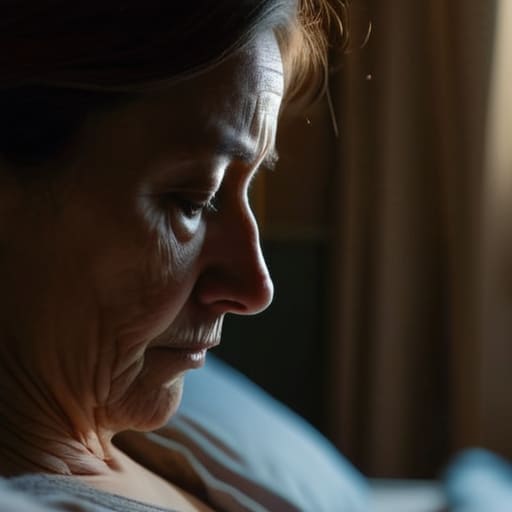
I’ve lost count of how many times I’ve sat in my clinic and watched a person stare despondently at a smart ring, convinced their “sleep score” is a disaster, when the reality is far simpler and much more exhausting. For those of you in the thick of it, the internet is currently flooded with expensive, useless nonsense—lavender-scented everything, magnesium supplements that do nothing, and the absurd suggestion that you should “just sleep when the baby sleeps” or “nap when the patient naps.” If you are looking for how carers can protect rest, you don’t need a £300 wearable or a subscription to a meditation app; you need to understand the difference between lifestyle fatigue and a genuine physiological breakdown.
I am not here to sell you a lifestyle brand or a new gadget. My goal is to strip away the fluff and look at the actual mechanics of your biology. I want to help you distinguish between the exhaustion caused by a chaotic, unpredictable schedule and the much deeper, more clinical issues that often go undiagnosed in caregivers. We are going to talk about evidence-based stability, the impact of your bedroom temperature, and why your wake-up time matters more than your bedtime. This isn’t about “wellness”—it’s about survival.
The Caregivers Fatigue Lifestyle Exhaustion or Clinical Depletion

In my clinic, I see a recurring pattern: people arrive exhausted, convinced they have a profound neurological sleep disorder, only to find their physiology is actually quite resilient. For a carer, the line between “tired” and “clinically depleted” is incredibly thin. Most of what I see isn’t a failure of the brain to enter deep sleep, but rather a state of chronic sleep fragmentation caused by the unpredictable nature of care. When you are constantly bracing for a call or a movement in the next room, your nervous system never truly exits its “alert” phase. This isn’t just being sleepy; it is a physiological state of hyper-vigilance that makes managing caregiver fatigue feel like an uphill battle against your own biology.
However, we have to be honest about the difference between a messy schedule and a clinical issue. If your rest is being interrupted by a person, that is a lifestyle reality. If you are getting eight hours of uninterrupted sleep but still waking up feeling like you’ve been hit by a bus, we need to look closer at things like sleep apnea or restless leg syndrome. Distinguishing between the two is vital for preventing caregiver burnout, because the solution for a fragmented schedule is vastly different from the medical intervention required for a genuine sleep disorder.
Why Your Tracker Fails to Measure Real Caregiver Burnout
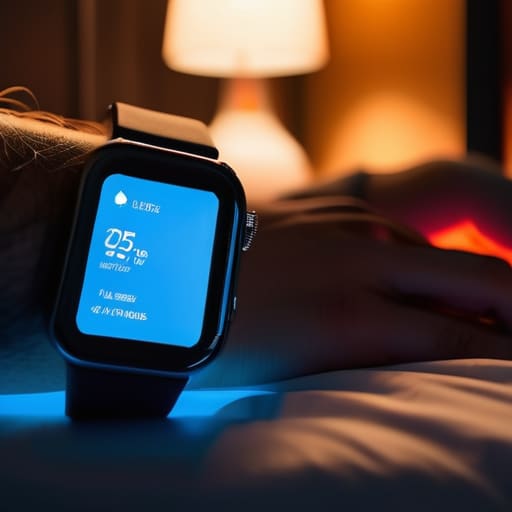
I see it every week in the clinic: a patient arrives, clutching their smartwatch like a holy relic, distraught because their “Sleep Score” has plummeted to a 40. They are convinced they are experiencing a physiological breakdown. But here is the professional truth: your tracker is not a medical-grade polysomnograph. It is essentially a glorified pedometer that guesses your sleep stages based on movement and heart rate. It cannot distinguish between the deep, restorative sleep you need and the fragmented, shallow “micro-naps” that occur when you are constantly listening for a call from a loved one in the next room.
For those focused on managing caregiver fatigue, these devices often do more harm than good by inducing a secondary layer of anxiety. A wearable might tell you that your sleep was “poor,” but it cannot tell you why. It can’t see the cortisol spikes from a midnight crisis or the cognitive load of constant vigilance. When we talk about improving sleep quality for carers, we have to look past the digital data and address the reality: you aren’t just “sleeping poorly,” you are living in a state of hyper-arousal that no algorithm can truly quantify.
How Carers Can Protect Rest Without the Empty Promises
Stop looking for the “magic pill” or the perfect sleep hygiene routine that promises to fix everything in one night. If you are managing a complex care situation, telling you to “just dim the lights” is patronising. Realistically, improving sleep quality for carers isn’t about a lavender diffuser; it’s about acknowledging that your nervous system is likely in a state of constant hyper-vigilance. When you are subconsciously listening for a monitor beep or a change in breathing through a baby monitor, your brain isn’t entering the restorative stages of sleep, regardless of how many hours you spend in bed.
Instead of chasing perfection, we need to focus on strategies for sustainable caregiving that actually account for your reality. This means moving away from the guilt of an irregular schedule and toward practical boundaries. If you can’t change the care requirements, you must look at external supports like respite care services for families to create windows of genuine, uninterrupted rest. You cannot “willpower” your way out of physiological sleep deprivation; you need actual, scheduled breaks where your brain is permitted to go offline without fear of missing a crisis.
Managing Caregiver Fatigue Distinguishing Noise From Real Sleep Needs
When I’m sitting across from a patient in the clinic, I tend to look for the “noise” before I look for the pathology. For a carer, that noise is constant. It is the cognitive load of being “on call” even when you are physically horizontal. You might feel like you are failing at improving sleep quality for carers because you can’t drift off the moment your head hits the pillow, but often, it isn’t a sleep disorder—it’s a state of hyperarousal. Your brain has learned that stillness is a luxury it cannot afford, so it stays vigilant, scanning for the next interruption.
Distinguishing this from a clinical issue requires looking at your physiological baseline. If you find that even when you finally get a stretch of uninterrupted time, you feel wired, shaky, or cognitively “foggy” regardless of duration, you are likely moving past simple tiredness and into the territory of preventing caregiver burnout. We have to stop treating sleep as a standalone metric and start seeing it as a symptom of your overall capacity. If your nervous system is stuck in a loop of high-alert, no amount of magnesium or blackout curtains will fix what is essentially a systemic exhaustion of your mental health.
Strategies for Sustainable Caregiving Beyond Just Self Care
The problem with the term “self-care” is that it has been hijacked by the wellness industry to mean bubble baths and scented candles. If you are managing a complex care situation, a lavender bath isn’t going to fix the physiological toll of chronic sleep fragmentation. Real strategies for sustainable caregiving aren’t about luxury; they are about structural shifts. We need to move away from the idea that you can simply “will” yourself into better rest and instead look at how we can physically protect your sleep windows.
This means moving beyond individual grit and looking at external support systems, such as formal respite care services for families. Relying on a spouse or a rotating door of untrained relatives is often just a temporary patch that leaves you in a state of hyper-vigilance. True sustainability comes from knowing that for a specific four-hour block, you are off duty—not just physically present in another room, but mentally permitted to drop your guard. Without that cognitive off-switch, your nervous system stays stuck in a sympathetic state, making even eight hours of sleep feel utterly unrefreshing.
Respite Care Services for Families Evidence Based Mental Health Support
When I sit in clinic with patients who are essentially acting as full-time nurses for a loved one, the conversation often shifts from sleep hygiene to the sheer impossibility of their schedule. We talk about “self-care” as if it’s a matter of buying a better pillow, but for many, the issue is a total lack of physiological recovery time. This is where respite care services for families move from being a “luxury” to a clinical necessity. If you are constantly in a state of hyper-vigilance—listening for a fall, a cough, or a change in breathing—your nervous system never exits sympathetic overdrive. You aren’t just tired; you are biologically stuck in a fight-or-flight loop that makes deep, restorative sleep nearly impossible to achieve.
True support isn’t about a weekend away once a year; it is about structured, predictable intervals of relief that allow your brain to actually downregulate. Utilizing professional respite isn’t a failure of your dedication; it is a fundamental component of preventing caregiver burnout. By offloading the acute responsibility for even a few hours, you allow your cortisol levels to drop and your sleep architecture to reset. Without these breaks, you aren’t just managing fatigue—you are running on a deficit that no amount of caffeine or “sleep tracking” can ever fix.
Practical Guardrails: What Actually Works When You’re Depleted
- Prioritise a consistent wake time over a consistent bedtime. When you are caregiving, your bedtime is often at the mercy of someone else’s needs, but your wake time is the anchor for your circadian rhythm. Even if you only get four hours, getting up at the same time helps prevent the “social jetlag” that makes daytime fatigue feel even more profound.
- Stop using your wearable as a judge. If you had a rough night with a patient or a loved one, your Oura ring or Apple Watch will likely give you a “poor” sleep score. Seeing that number can trigger a cortisol spike that makes it even harder to rest the next day. Treat your tracker as a piece of noisy data, not a clinical diagnosis of your exhaustion.
- Audit your bedroom temperature before you audit your habits. You can practice all the mindfulness in the world, but if your bedroom is a stuffy 20°C (68°F), your core temperature won’t drop enough to facilitate deep sleep. For a carer whose nervous system is already on high alert, a cool, dark environment is a physiological necessity, not a luxury.
- Distinguish between “active” and “passive” rest. Scrolling through your phone while sitting on the sofa is passive, but it’s also cognitively stimulating. If you have a twenty-minute window, try non-sleep deep rest (NSDR) or even just sitting in a dim room without a screen. It’s about lowering your physiological arousal, not just “not working.”
- Learn to identify the “Red Flag” symptoms that require a clinical referral. If you are experiencing gasping for air at night, heavy snoring, or waking up with a headache, you aren’t just “tired from caregiving”—you may have developed a secondary sleep disorder like sleep apnoea. Don’t let a doctor dismiss these as mere “stress” without a proper investigation.
The Bottom Line for Carers
Stop chasing “sleep scores” on your wrist; a wearable cannot distinguish between the mental load of caregiving and a physiological sleep disorder, so use them as mood indicators rather than clinical truth.
Learn to differentiate between lifestyle exhaustion—which responds to routine and environment—and clinical sleep deprivation, which requires professional intervention rather than just “trying harder.”
Real rest for a carer isn’t found in a single self-care ritual, but in the structural support of respite care and the aggressive protection of a consistent wake time.
Frequently Asked Questions
If my wearable says I’m getting enough sleep but I still feel like I’m running on empty, should I be looking for a clinical sleep study or just adjusting my schedule?
If your tracker says you’re sleeping but you feel like a ghost, stop looking at the wristband and start looking at your wake time. Wearables are notoriously bad at detecting fragmented sleep or poor quality. Before booking a clinical study, look at your consistency. If your schedule is a moving target, your circadian rhythm is likely the culprit. But if your routine is rock-solid and you’re still exhausted, that’s when we need to talk about clinical causes.
How can I tell if my exhaustion is a symptom of burnout or an actual sleep disorder like sleep apnea that’s been triggered by stress?
It’s a tricky distinction because stress is a master architect of bad sleep. If you’re gasping for air, waking with a dry mouth, or feeling like you’re suffocating, that’s a physiological red flag—likely apnea—regardless of how stressed you are. But if your exhaustion feels like a heavy, mental fog that persists even after a “good” night, you’re likely dealing with the cognitive depletion of burnout. One needs a sleep study; the other needs a life boundary.
When is it time to stop trying "sleep hygiene" tips and actually seek medical help from a specialist?
If you’ve spent a month cooling your room, fixing your caffeine window, and sticking to a strict wake time, yet you’re still gasping for air or waking up feeling like you haven’t slept a wink, stop. “Sleep hygiene” is for habits; it isn’t a cure for pathology. If your exhaustion is accompanied by daytime sleepiness that interferes with safety, or if you suspect your breathing is interrupted, stop DIY-ing it and see a specialist.