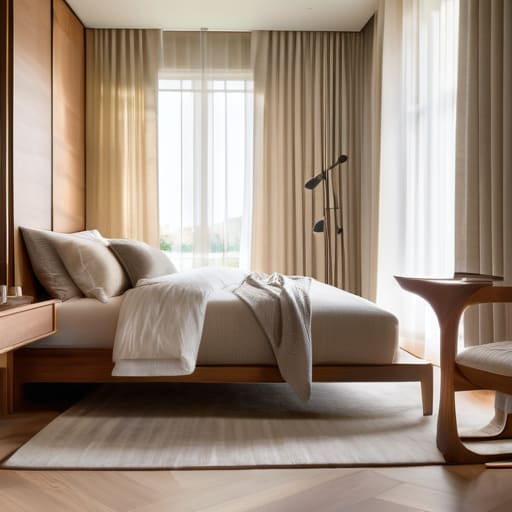
I spent a decade in the dark, watching patients struggle through polysomnograms while wired to a headbox, and if there is one thing I’ve learned, it’s that people are far too quick to blame their biology for what is actually a spatial problem. You don’t necessarily need a new mattress or a $500 weighted blanket to fix your sleep; often, you just need to stop treating your bedroom like a showroom and start treating it like a recovery zone. Most of the expensive interior design blogs will tell you that aesthetic symmetry is the goal, but they completely ignore the physiological impact of a cluttered or poorly ventilated room. When we talk about how to arrange bedroom furniture, we aren’t looking for a Pinterest-perfect layout; we are looking for a way to stop your environment from sabotaging your nervous system before you’ve even closed your eyes.
I’m not here to sell you on minimalist trends or expensive decor. Instead, I’m going to give you the clinical reality of how your physical surroundings influence your ability to drift off and stay there. I will show you how to position your bed to manage temperature, how to clear the visual noise that keeps your brain on high alert, and why the way you place your desk or wardrobe matters more than you think. This is about evidence-based layout, not interior styling.
Stop Blaming Your Mattress Why Your Layout Sabotages Sleep
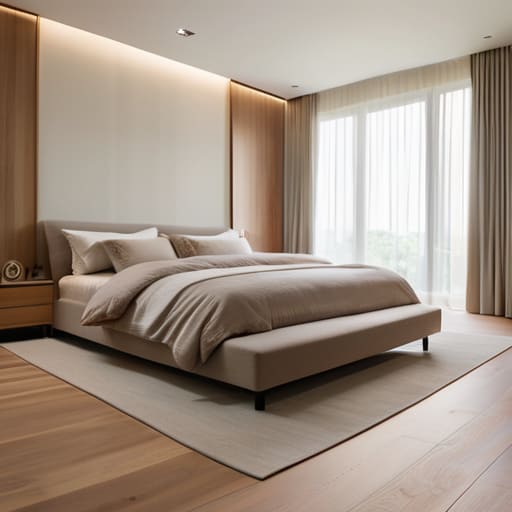
We spend a fortune on high-thread-count sheets and “orthopaedic” mattresses, convinced that a better surface will somehow fix a broken sleep cycle. But after seventeen years in the clinic, I can tell you that your mattress isn’t the culprit; it’s the room itself. If your bedroom feels like an obstacle course, your brain stays in a state of low-level hypervigilance. When you’re navigating tight bedroom walkway clearance just to reach the light switch or a glass of water, you aren’t relaxing—you’re navigating.
The goal isn’t just aesthetics; it’s about reducing cognitive load. If you are working with small bedroom floor plans, the instinct is to cram everything against the walls to create a sense of space, but this often results in a cluttered, claustrophobic environment. Proper bed placement for better sleep means ensuring you aren’t staring directly at a pile of laundry or a desk that reminds you of unread emails. You need to create a visual sanctuary where the eye can rest. If your layout forces you to constantly “manage” your environment, you’ve already lost the battle for rest.
The Science of Bed Placement for Better Sleep Cycles
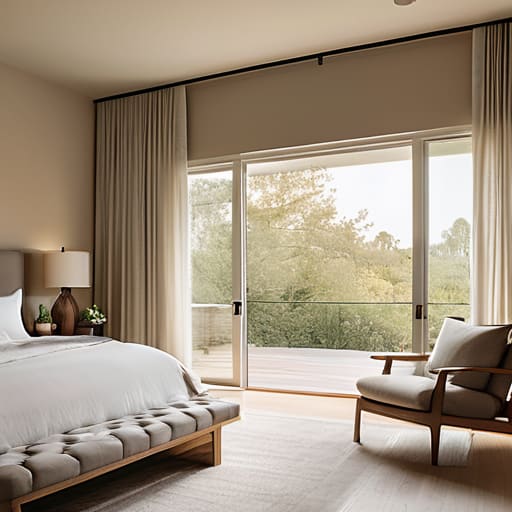
When I’m looking at a patient’s sleep study, I’m looking at brain waves and oxygen levels, but those numbers are heavily influenced by the environment you’ve built around yourself. People often ask me for bed placement for better sleep, expecting a magical physiological trigger, but what we are actually discussing is your nervous system’s reaction to your surroundings. If your bed is shoved into a corner or positioned directly under a heavy, low-hanging ceiling fan, your brain remains in a state of low-level vigilance. You aren’t “bad at sleeping”; you are simply sleeping in a space that your subconscious perceives as unstable or cramped.
In clinical terms, we want to minimize environmental stressors that trigger micro-arousals. This is why I always suggest prioritizing bedroom walkway clearance over aesthetic trends. If you have to shimmy sideways past a dresser to reach your pillow, you are creating a physical friction that disrupts your ability to settle. Even in those frustratingly small bedroom floor plans, the goal is to create a sense of “command”—ensuring you can see the door without being directly in line with it. It’s about reducing the cognitive load of your environment so your brain can finally stop scanning for obstacles and start focusing on restorative sleep.
How to Arrange Bedroom Furniture Without Creating Visual Chaos
When I’m sitting in clinic, I often hear patients describe their bedroom as a “source of stress” rather than a sanctuary. Usually, that stress isn’t psychological; it’s the visual noise of a room that feels cluttered and claustrophobic. If you are working with small bedroom floor plans, the temptation is to push every single piece of furniture against the walls to create a void in the middle. While this might seem like you are optimizing bedroom space, it often results in a room that feels like a storage unit rather than a place for rest.
The goal is to create a sense of flow that allows your brain to decompress the moment you cross the threshold. This means prioritizing bedroom walkway clearance—you shouldn’t have to perform a rhythmic dance or shimmy past a dresser just to reach your bedside. If you have to navigate an obstacle course to get into bed, your nervous system stays subtly on alert. Aim for clear, intuitive paths. When the physical movement through a room is effortless, the mental transition into sleep becomes significantly easier.
Navigating Small Bedroom Floor Plans and Bedroom Walkway Clearance
When I see patients in the clinic, they often describe their bedroom as a “minefield”—a space where they are constantly tripping over a rogue chair or squeezing past a dresser just to reach the light switch. If you are working with small bedroom floor plans, the temptation is to shove everything against the walls to create a sense of open floor space. But there is a physiological cost to that. If your bedroom walkway clearance is non-existent, your brain stays in a state of low-level hyper-vigilance. You aren’t just walking to the bathroom; you are navigating an obstacle course, and that subtle physical tension can make it much harder to transition into deep sleep.
Instead of just trying to fit everything in, focus on optimizing bedroom space by prioritizing movement. You need enough room to walk around the sides of the bed without performing a lateral shimmy. If you have to choose between a massive, ornate wardrobe and a clear path to your bedside, choose the path. Maximizing closet accessibility and ensuring you can move freely through the room isn’t just about tidiness; it’s about reducing the cognitive load your brain has to process before you even close your eyes.
Optimizing Bedroom Space Versus Chasing Useless Feng Shui Bedroom Tips
I see it all the time in clinic: patients who have spent hundreds of pounds on “sleep-enhancing” crystals or specific bed orientations suggested by various feng shui bedroom tips, yet they still wake up feeling like they’ve been hit by a bus. There is a massive difference between the mystical energy of a room and the physiological reality of how your body interacts with its environment. If you are moving your bed six inches to the left because a blog told you it aligns with a certain energy flow, but you’re still tripping over a pile of laundry in the dark, you aren’t solving the problem.
Instead of chasing pseudo-scientific trends, focus on the actual mechanics of optimizing bedroom space. Your brain needs to perceive the room as a functional sanctuary, not a cluttered obstacle course. This means prioritizing practicalities like maximizing closet accessibility and ensuring you aren’t performing a gymnastics routine just to get under the duvet. If your layout forces you to navigate a cramped, stressful path every time you enter the room, your cortisol levels are going to spike before you even touch the pillow. Focus on the floor plan, not the “vibe.”
Maximizing Closet Accessibility to Reduce Your Nightly Cognitive Load
We often talk about sleep hygiene in terms of light and temperature, but we rarely discuss the cognitive tax of a cluttered morning routine. If you have to play a high-stakes game of Tetris just to pull a clean shirt out of a cramped wardrobe, you are starting your day with a micro-stressor. When you are struggling with sleep inertia, every unnecessary movement or moment of frustration is a withdrawal from your mental energy bank. Maximizing closet accessibility isn’t about being tidy for the sake of a magazine spread; it’s about reducing the friction between waking up and feeling functional.
In many small bedroom floor plans, the closet becomes a graveyard for things we don’t use, pushed to the back where they are forgotten. This creates a physical bottleneck that forces you to shuffle around your furniture just to get dressed. If your layout requires you to navigate tight corners or move a chair just to reach your clothes, you’re inviting unnecessary chaos into your morning. Clear a path, declutter the immediate reach-zone, and treat your wardrobe as a tool for mental ease, not just storage.
The clinician’s checklist: Five ways to stop fighting your room and start sleeping
- Prioritise the “command position”—place your bed so you can see the door without being directly in line with it. It’s a primal psychological safety mechanism that lowers your cortisol levels before you even attempt to drift off.
- Keep the “visual noise” away from your line of sight. If you wake up in the middle of the night and the first thing you see is a pile of laundry or a cluttered desk, your brain immediately begins processing tasks instead of transitioning back into sleep.
- Create a dedicated “tech-free” zone by physically distancing your charging station from your bedside table. If your phone is within arm’s reach, you aren’t just tempted to check it; you’re inviting the blue light and the cognitive stimulation to interrupt your natural melatonin production.
- Ensure your bedside surface is functional, not just decorative. You need enough space for a glass of water and perhaps a book, but avoid a cluttered nightstand that makes the area feel cramped; a cramped environment often translates to a cramped, restless mind.
- Map out your “movement paths” before you move the heavy stuff. If you have to shimmy sideways to get to your wardrobe or trip over a rug to reach the bathroom at 3 AM, you are creating micro-stressors that break your sleep continuity.
The bottom line for your bedroom
Stop chasing “vibes” or expensive feng shui; focus on the physical reality of your space—specifically temperature control, clear walkways, and reducing the visual clutter that keeps your brain humming when you should be winding down.
Your mattress isn’t the enemy, but a cramped, hot, or chaotic room layout can be. If you can’t move through your room without stumbling or feeling claustrophobic, you’re setting yourself up for a restless night before your head even hits the pillow.
Sleep hygiene is about reducing “cognitive load.” By organizing your closet and your furniture to be intuitive and accessible, you stop making tiny, subconscious decisions at night that keep your nervous system in “task mode” instead of “rest mode.”
Frequently Asked Questions
Does the direction my bed faces actually impact my circadian rhythm, or is that just superstition?
It’s a bit of both. If you’re talking about mystical energy flowing through your headboard, that’s superstition. But if you’re talking about the direction your bed faces in relation to the morning sun, that’s physiology. If your bed faces a window that lets in a harsh, premature glare, you’re essentially forcing a cortisol spike before your brain is ready. It isn’t about “luck”; it’s about managing light exposure to protect your circadian rhythm.
If I have a small room, is it better to prioritize floor space or keep my bedside tables close for easy access?
Prioritise the bedside table. I see this often in clinic: people trying to create “open space” by shoving everything into a corner, only to end up straining or fumbling in the dark. If you have to get out of bed to turn off a lamp or reach for water, you’re inviting micro-arousals that fragment your sleep architecture. Keep the essentials within arm’s reach; a tiny bit of floor space isn’t worth the cognitive tax of a midnight scramble.
How much does the placement of my desk or workspace in the bedroom actually affect my ability to wind down?
It affects your ability to wind down more than you realize. When I see patients, they often describe a “mental tether” to their workspace. If your desk is in your line of sight while you’re lying in bed, your brain stays in a state of low-level physiological arousal. You aren’t just looking at a piece of wood; you’re looking at unfinished tasks and tomorrow’s stress. If you can’t move it, at least hide it behind a screen or a cloth.