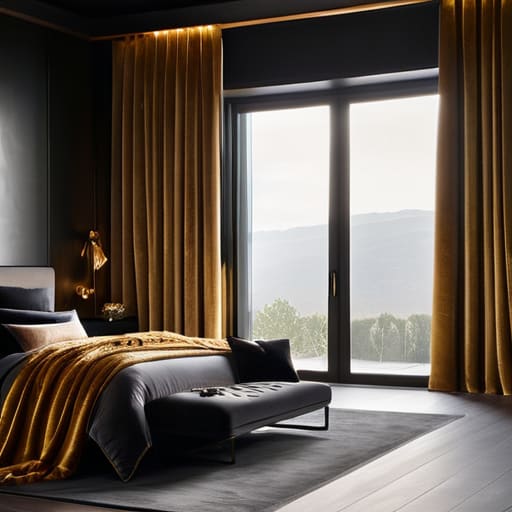
I spent a decade in the dark, watching patients sleep under the hum of clinical monitors, and if there is one thing I’ve learned, it’s that people are being sold a very expensive lie about their bedrooms. You’ll see influencers peddling a “complete guide to blackout and light control” that involves spending hundreds on designer heavy-velvet drapes or high-tech smart bulbs, as if your circadian rhythm is some luxury problem that can be solved with a credit card. Most of the time, you don’t need a lifestyle overhaul; you just need to stop letting the streetlamp outside your window signal to your brain that it’s time to wake up.
I’m not here to sell you a new gadget or a “sleep score” from a wearable that doesn’t know the difference between deep sleep and you just lying still. Instead, I’m going to give you the unvarnished truth based on seventeen years of clinical observation. We are going to strip away the marketing fluff and look at what actually works to manage light exposure, from the physics of your window treatments to the biological reality of how light hits your retina. This is a practical, evidence-first approach to reclaiming your darkness.
The Truth About Light Exposure and Your Failed Sleep Hygiene
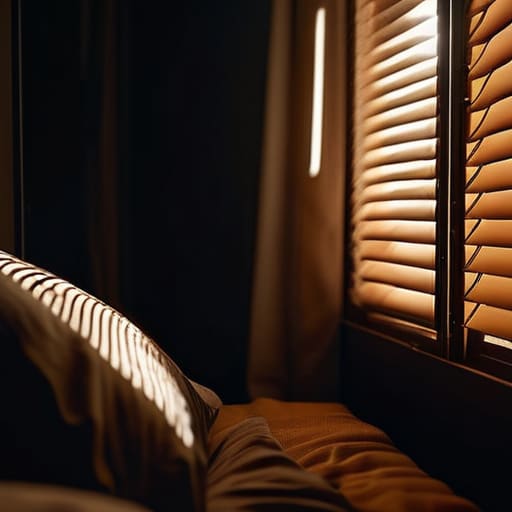
The problem with most “sleep hygiene” advice is that it treats light like a minor nuisance rather than a biological command. We’re told to dim the lights an hour before bed, which is fine, but it ignores the reality of how our bodies actually function. You can follow every ritual in the book, but if you’re sleeping in a room where a streetlamp is bleeding through the gaps in your blinds, your brain isn’t getting the signal to stay in deep sleep. You aren’t just “failing” at sleep hygiene; you are fighting a losing battle against managing circadian rhythms with light in an environment that is working against you.
I see this constantly in the clinic. Patients come in exhausted, having tried every magnesium supplement and breathing exercise under the sun, only to realize their bedroom is essentially a lightbox. They don’t need more “relaxation techniques“; they need better blocking ambient light for sleep. If your window treatments aren’t actually doing the job, you’re just layering expensive habits on top of a broken foundation. It isn’t about trying harder; it’s about fixing the environment so your biology can actually do its job.
Why Your Tracker Ignores the Science of Managing Circadian Rhythms
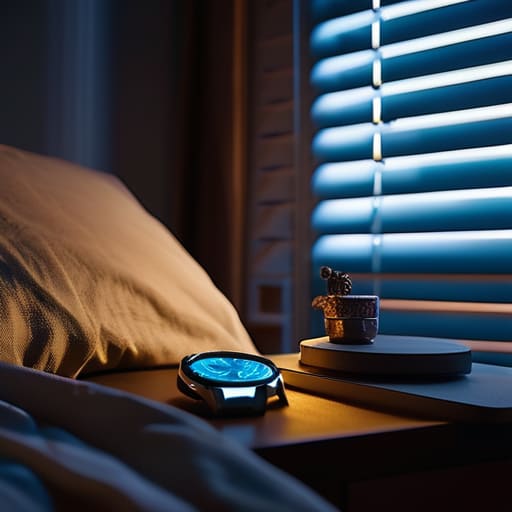
Here is the problem with the little glowing ring or watch on your wrist: it’s essentially a glorified movement sensor masquerading as a scientist. These devices are quite good at telling you when you’ve stopped tossing and turning, but they are remarkably poor at understanding why your biology is misfiring. They see a period of stillness and call it “sleep,” but they can’t see the subtle, physiological disruption caused by a streetlamp bleeding through your blinds. Your tracker doesn’t know that your melatonin production was suppressed an hour ago because you haven’t mastered managing circadian rhythms with light.
When we talk about sleep hygiene and light exposure, we are talking about the chemical signals sent to your brain. A wearable might give you a “sleep score” of 85, but it won’t tell you that your sleep architecture was fragmented because of ambient light leakage. It sees the result, not the cause. You can have the most expensive piece of tech in the world, but if you aren’t actually addressing the biological triggers of wakefulness, you’re just getting a high-definition view of your own exhaustion.
A Complete Guide to Blackout and Light Control That Works
If you’re looking for a “complete guide to blackout and light control,” don’t start by buying the most expensive smart bulbs on the market. Start with the perimeter of your windows. Most people underestimate how much light bleeds in through the edges of standard blinds. If you want to actually succeed at blocking ambient light for sleep, you need to look at room darkening window treatments that actually overlap the frame. I often tell my patients that if you can see a sliver of streetlamp through the side of your curtain, your brain is still receiving “daytime” signals, even if your eyes are closed.
When choosing materials, look for genuine blackout fabric technology rather than just “dimming” or “room darkening” layers; there is a massive physiological difference between a grey tint and total darkness. However, don’t go overboard to the point of creating a sensory deprivation tank if you struggle with anxiety. The goal of managing circadian rhythms with light is to signal the brain that the day has ended, not to trick it into thinking it’s midnight in a cave. If the curtains fail, a high-quality, contoured sleep mask is your best fallback—it’s far more reliable than a poorly fitted blind.
Beyond Curtains Real Room Darkening Window Treatments for Deep Sleep
If you’ve spent a fortune on heavy drapes only to find a sliver of streetlamp light slicing through the gap like a laser, you aren’t alone. Most people think the solution is just “thicker curtains,” but that’s a misunderstanding of how light behaves. To truly succeed with room darkening window treatments, you have to think about the edges. I often tell patients that a curtain is only as good as its seal; if light is bleeding in from the sides or the top, your brain is still receiving those micro-signals that it’s time to wake up.
For those who need more than just a heavy layer, I suggest looking into blackout fabric technology that includes side channels or wrap-around rods. These help eliminate that frustrating halo of light around the perimeter. If you’re renting and can’t drill into the walls, don’t despair—custom-fitted blackout blinds or even high-quality temporary tension rods can be incredibly effective. The goal isn’t just to make the room dark; it’s about blocking ambient light for sleep so effectively that your circadian rhythm doesn’t even know the sun is thinking about coming up.
The Engineering of Darkness Understanding Blackout Fabric Technology
When you’re looking at curtains in a shop, don’t let the marketing fool you. Most people assume “blackout” just means a thick, heavy fabric that feels substantial, but there is a massive difference between a heavy curtain and true blackout fabric technology. Real blackout material usually involves a dense, multi-layered construction, often featuring a chemical coating or a high-density weave that physically prevents photons from passing through the fibers. If you can see even a hint of light bleeding through the weave when you hold it up to the sun, it’s not going to help you with managing circadian rhythms with light once the sun is actually up.
For those of us who deal with the physiological reality of sleep, the goal isn’t just “dimness”—it’s the absence of light. This is where many people fail in their attempts at blocking ambient light for sleep. You might have the most expensive velvet drapes in the world, but if they don’t have a way to seal against the window frame, you’ll still get that annoying “halo” of light around the edges. I tell my patients that light leakage is just as disruptive as a noisy neighbour; your brain doesn’t care if the light is coming through the fabric or around it.
Effective Light Blocking Methods for Those With Genuine Disorders
If you have a diagnosed sleep disorder—perhaps sleep apnea or a circadian rhythm sleep disorder—you aren’t just dealing with a “bad habit” that a bit of discipline can fix. For these patients, light isn’t just a nuisance; it is a biological disruptor. When you are struggling with a genuine clinical issue, even the tiniest sliver of light bleeding through a gap in the curtains can trigger a cortisol spike that pulls you right out of a restorative stage. In these cases, standard room darkening window treatments often fall short because they aren’t designed for total occlusion.
I often tell my patients that if you’re managing a serious disorder, you need to move beyond “dimming” the room and start thinking about total light isolation. This might mean installing side channels on your blackout blinds to prevent that annoying light halo, or using high-quality, contoured sleep masks that don’t press against your eyelids. We aren’t just talking about making the room cozy; we are talking about blocking ambient light for sleep with enough precision to protect your brain’s internal clock. It is about creating a controlled environment where your biology can finally take the lead.
Five ways to actually darken your room (without buying more useless gadgets)
- Stop obsessing over the curtains and look at the gaps. You can buy the most expensive blackout fabric in the world, but if there’s a two-inch sliver of light bleeding in from the top or sides of the rod, your brain is still receiving those “it’s morning” signals. Use wrap-around rods or even simple Velcro strips to seal the edges.
- Check your “silent” electronics. We spend a decade telling people to dim the lights, but we forget about the tiny, aggressive blue and green LEDs on the air purifier, the humidifier, or the TV standby light. If it glows, it’s a distraction; cover them with a bit of electrical tape or move them out of your line of sight entirely.
- Address the streetlights, not just the sun. Most people prepare for the sunrise, but the real culprit for mid-sleep disturbances is often the orange glow of a streetlamp filtering through cheap blinds. If you aren’t using a heavy-duty blackout solution, a high-quality, contoured sleep mask is a much more reliable way to ensure total darkness than fighting a losing battle with your window treatments.
- Manage the light before you even get to the bedroom. Darkness isn’t just about what happens when you close your eyes; it’s about the light hygiene of your entire evening. If you’ve been staring at a high-intensity LED screen until 11 PM, your melatonin production is already compromised, and no amount of blackout curtains will magically “fix” a circadian rhythm that’s already been pushed back.
- Don’t forget the morning light. Since I always ask what time you get up before I ask when you go to bed, I have to mention this: if you use blackout solutions to sleep in, you might be inadvertently creating a “social jetlag” effect. Use light to your advantage—get bright, natural light the moment you wake up to anchor your rhythm, even if you had to live in a cave the night before.
The bottom line on darkness and your sleep
Stop obsessing over your wearable’s “sleep score” and start looking at your environment; a tracker can tell you that you moved, but it can’t tell you that a sliver of streetlamp light is currently suppressing your melatonin.
Distinguish between “bad habits” and “real disorders”—if you have a genuine sleep disorder, heavy-duty blackout engineering is a medical necessity, but if you just have an irregular wake time, no amount of expensive fabric will fix your rhythm.
Light control is about more than just curtains; it is about managing the biological signals your brain receives, which means addressing light leaks, ambient temperature, and the timing of your exposure rather than just buying a thicker blind.
Frequently Asked Questions
If I can't afford a full blackout installation, what's the most effective way to block light without making my room feel like a cave?
If you’re on a budget, skip the expensive custom shutters and go for high-quality blackout blinds or even heavy, thermal-lined curtains. But here is the real trick: focus on the gaps. Most light “leaks” come from the sides and the top. Use adhesive Velcro strips to seal the edges of your blinds against the wall. It stops the light bleed without turning your bedroom into a dark, claustrophobic void during the day.
My sleep tracker says I'm waking up frequently, but I don't notice any light—could it be something other than my environment?
First, let’s address the tracker: it isn’t measuring your consciousness, it’s measuring movement and heart rate variability. It’s frequently “detecting” micro-arousals that you don’t actually remember. If your room is truly pitch black, we need to look elsewhere. It could be sleep apnea—where your breathing pauses and jerks you out of deep sleep—or perhaps your core temperature is spiking. If you aren’t feeling exhausted during the day, stop obsessing over the data.
How much light is actually "too much" before it starts messing with my melatonin production?
It’s not about a specific lumen count; it’s about the biological signal. Your brain is incredibly sensitive to blue-wavelength light—the kind from your phone or a streetlamp—which signals “daytime” to your pineal gland. Even a tiny amount of light leaking through your eyelids can suppress melatonin production. If you can see your hand in front of your face, it’s likely too bright. For most, true darkness isn’t a luxury; it’s a physiological requirement.