I spent a decade in the dim light of sleep labs, watching patients struggle through the night while tethered to a headbox, and if there is one thing I’ve learned, it’s that most people are trying to solve their sleep issues with the wrong tools. You’ll see endless, glossy advertisements claiming that a certain “revolutionary” foam or a specialized hybrid is the magic cure for your exhaustion, but they are usually just selling you expensive fluff. The truth is that understanding how mattress types differ isn’t about finding the most expensive option on the showroom floor; it’s about understanding the physics of your own body and how it interacts with heat and pressure throughout the night.
I am not here to sell you a bed or repeat the marketing jargon that’s been clogging up your feed. Instead, I’m going to strip away the nonsense and look at the actual physiological impact of these materials. I will explain which structures actually support your spine and which ones are just going to leave you overheating and tossing until dawn. My goal is to help you distinguish between a genuine need for different support and the simple, fixable errors in your sleep environment, so you can finally stop chasing comfort and start actually resting.
Understanding How Mattress Types Differ
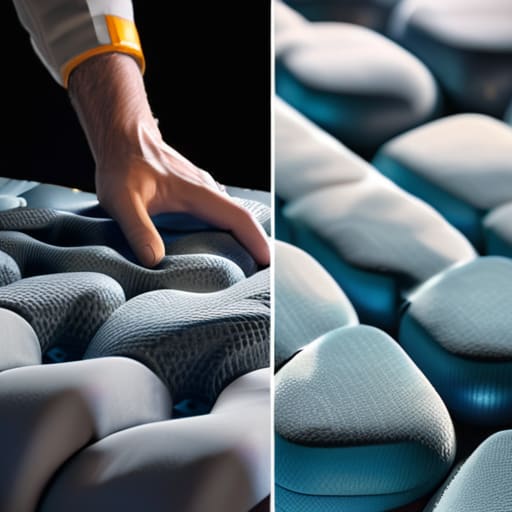
When you’re sitting in my clinic, I can usually tell within five minutes if your sleep struggles are physiological or if you’re just fighting your own furniture. Most people treat mattress shopping like a lifestyle choice, but for someone with actual sleep architecture issues, it’s a matter of mechanical support. The debate of memory foam vs innerspring isn’t just about preference; it’s about how your body reacts to heat and movement. Foam is wonderful for contouring, but if you’re a “hot sleeper,” that same foam can act like a thermal insulator, trapping your body heat and spiking your core temperature just when you should be cooling down for deep sleep.
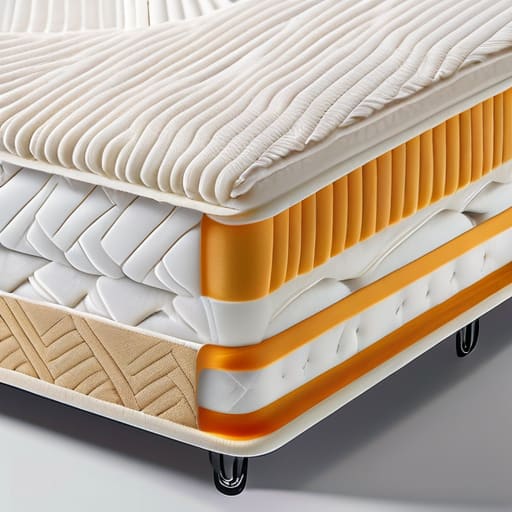
If you’re a side sleeper, you aren’t just looking for “softness”—you’re looking for targeted pressure relief to prevent your shoulder and hip from being crushed against a surface. This is where a hybrid mattress construction often wins the day in a clinical sense. By combining the responsiveness of coils with the cushioning of foam, you get the structural integrity needed to keep your spine aligned without the suffocating heat retention. We need to stop looking at mattresses as “soft or firm” and start looking at them as tools for thermoregulation and spinal stability.
Key Things to Know
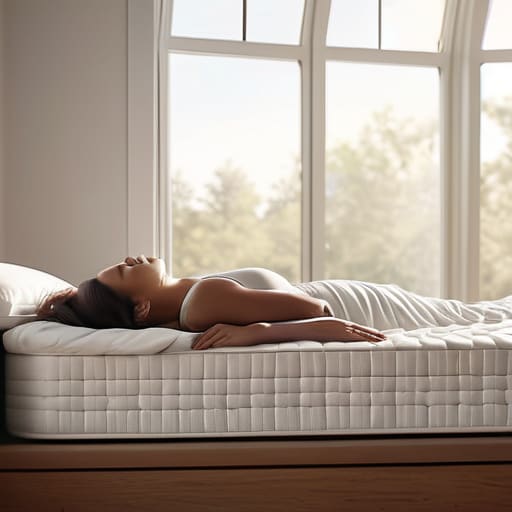
Before you drop a month’s salary on a “revolutionary” new slab of foam, you need to understand that your mattress is a tool for physiological regulation, not just a piece of furniture. Most people I see in clinic aren’t suffering from a mysterious neurological deficit; they are simply struggling with thermoregulation or spinal alignment. If you are a side sleeper, for instance, the best mattress for side sleepers isn’t the firmest one on the showroom floor—it’s the one that allows your shoulder and hip to sink in just enough to keep your spine neutral. If the mattress is too hard, you’ll wake up with micro-arousals caused by physical discomfort, which your wearable will then incorrectly label as “poor sleep quality.”
You also need to look past the glossy brochures and consider the actual cooling properties of mattress materials. I see far too many patients who think they have sleep apnea, only to realise they are actually just overheating because they’ve bought a thick, non-breathable memory foam block. It’s a simple matter of physics: if your body temperature can’t drop, your sleep architecture will suffer. Stop looking for a “miracle” and start looking at how the materials actually interact with your body heat and your movement.
Practical Tips and Steps
Before you pull the trigger on a new bed, stop looking at the showroom floor and start looking at your own body. If you wake up with aching shoulders or hips, you aren’t just “getting older”—you are likely failing a basic pressure relief mattress comparison in your own bedroom. For those of us who spend our days analyzing how the body reacts to physical stress, the advice is simple: if you are a side sleeper, you need a surface that allows your shoulders to sink in without tilting your spine out of alignment. This is where the debate of memory foam vs innerspring actually becomes practical; foam offers that contouring, but it can feel like you’re being hugged by a warm towel, which is the last thing you want if you’re already struggling with temperature regulation.
Don’t get distracted by the “luxury” labels. Instead, look closely at the hybrid mattress construction if you want a middle ground that offers both support and breathability. My advice? Test the thermal regulation of the material. If a mattress traps heat, it doesn’t matter how much support it provides; your core temperature will spike, and your sleep architecture will suffer.
Common Mistakes to Avoid
The biggest mistake I see is people treating a mattress purchase like a fashion choice rather than a piece of physiological equipment. I often have patients tell me they’ve spent thousands on a “luxury” bed, only to complain of mid-night waking and hip pain. They’ve fallen into the trap of chasing brand prestige instead of looking at a pressure relief mattress comparison that actually matches their body type. If you are a side sleeper, for instance, buying a mattress that is too firm isn’t “good for your posture”—it’s a recipe for shoulder impingement and interrupted sleep cycles.
Another error is ignoring the thermal reality of what you’re buying. People get so caught up in the debate of memory foam vs innerspring that they completely overlook the cooling properties of mattress materials. I’ve seen countless people struggle with “insomnia” that is actually just thermoregulation failure because they bought a dense foam slab that traps heat like an oven. You aren’t failing at sleeping; your mattress is simply turning your bed into a sauna. Don’t mistake a thermal issue for a clinical disorder.
Final Thoughts
At the end of the day, choosing a bed isn’t about finding the “perfect” model advertised on a glossy Instagram ad; it’s about matching a specific piece of engineering to your unique physiology. I’ve spent seventeen years watching how people move in their sleep, and I can tell you that a one-size-fits-all approach is a recipe for a restless night. Whether you are weighing up a memory foam vs innerspring debate or looking for the specific structural support of a hybrid mattress construction, remember that your body is the only judge that matters.
Don’t get distracted by the shiny metrics on your wearable. A tracker might tell you that you had “poor sleep,” but it won’t tell you if that’s because your mattress lacks the necessary pressure relief for your hips or if you’re simply tossing and turning because the material is trapping heat. Focus on the fundamentals: stability, temperature regulation, and how the surface responds to your weight. If you get the foundation right, the rest of your sleep hygiene becomes significantly easier to manage.
Stop shopping for comfort and start shopping for physics
- Stop chasing that “cloud-like” feeling; if a mattress is so soft that you sink in, you aren’t getting rest, you’re just fighting your body to find a neutral spine position all night.
- If you wake up feeling like you’ve been sweating through a marathon, your fancy memory foam is likely acting as a heat trap rather than a support system.
- Don’t let a salesperson tell you a hybrid is “better” for everyone; hybrids are great for airflow, but if you’re a side sleeper who needs deep pressure relief, you might be better off with something more targeted.
- Ignore the “luxury” labels and look at the density; a cheap, low-density foam mattress will lose its structural integrity within a year, turning your sleep surface into a useless hammock.
- Test the edge support, not just the middle; if you find yourself rolling toward the centre of the bed or feeling like you’re sliding off when you sit on the edge, that mattress is going to disrupt your sleep hygiene long before you even close your eyes.
The Bottom Line
Stop looking for a “perfect” mattress in a showroom; focus on whether the material manages your body temperature and provides the specific support your spine needs to stay neutral.
Don’t mistake a change in firmness for a solution to sleep deprivation—if your wake times are erratic and your room is a sauna, even the most expensive mattress won’t fix your sleep architecture.
Ignore the marketing jargon about “proprietary foam technologies” and prioritize the two things that actually matter for your physiology: pressure relief and thermoregulation.
Frequently Asked Questions
My wearable says I'm tossing and turning all night; does that mean I definitely need a different mattress type, or is it just my sleep hygiene?
First, let’s address the elephant in the room: your wearable is not a medical device. It’s an accelerometer guessing your movements, and it’s frequently wrong. It cannot distinguish between a genuine sleep disturbance and you simply shifting because you’re too warm. Before you drop a fortune on a new mattress, look at your room temperature and your wake-up consistency. If your environment is stable but you’re still restless, then we can talk about support.
If I have suspected sleep apnoea, should I be looking for a specific mattress firmness to help keep my airway open?
The short answer is no. If you suspect sleep apnoea, a firmer mattress isn’t a medical intervention; it’s a distraction. While a mattress that prevents you from rolling into a “fetal” position might help slightly, it won’t fix a collapsing airway. You need a formal sleep study to see what’s actually happening when you breathe. Stop trying to engineer your way out of a physiological issue with foam density—get the clinical data first.
I’ve been told to "buy better" to fix my exhaustion, but how do I know if my problem is actually the mattress construction or just a bedroom that's too warm?
Before you drop a thousand pounds on a new mattress, tell me: what time do you get up? If your wake time is a moving target, no amount of memory foam will fix your exhaustion. If you wake up feeling “stuck” or sweaty, it’s likely your bedroom temperature, not the springs. A mattress provides support; a cool room provides sleep. Don’t mistake a thermal regulation issue for a structural failure.