I spent the better part of a decade in darkened rooms, watching patients struggle under a web of wires while I scored their breathing patterns, and if there is one thing I’ve learned, it’s that the “sleep tech” industry is lying to you. You don’t need a £300 ring or a subscription-based app to tell you that you slept poorly; you need to know if your brain is actually misfiring or if you’re just living in a bedroom that feels like a sauna. Most people searching for how to get help for sleep problems are being sold expensive, shiny distractions when they actually need to distinguish between a lifestyle habit and a clinical pathology.
I am not here to sell you a magnesium supplement or a weighted blanket. My promise to you is much simpler: I will use my seventeen years in the clinic to help you cut through the noise. We are going to look at what a real sleep study actually measures, why your tracker’s “sleep score” is essentially scientific fiction, and how to determine if you are dealing with a genuine disorder or just an irregular wake time. This is about finding actual answers, not just more data to obsess over.
Understanding How to Get Help for Sleep Problems
When you finally decide to step out of the loop of DIY remedies and “sleep hacks,” the path forward can feel surprisingly opaque. Most people start by asking their GP for something to help them sleep, but that’s often where the real frustration begins. There is a massive difference between being handed a sedative to mask the symptoms and actually undergoing a proper sleep apnea diagnosis process to see what your lungs and brain are doing at 3:00 AM. If you are struggling, you need to know whether you are looking for behavioral changes or clinical intervention.
The first real step is often a formal sleep specialist consultation. This isn’t just about a doctor telling you to “relax”; it’s about differentiating between a lifestyle-induced disruption and a physiological failure. For many, the gold standard isn’t a pill, but cognitive behavioral therapy for insomnia (CBT-I), which addresses the psychological architecture of sleep. If your issues are mechanical—like obstructive sleep apnea—the conversation shifts toward titration and equipment. My job is to help you navigate that divide so you don’t waste months treating a medical disorder with nothing more than a cooler bedroom and a new pillow.
Key Things to Know
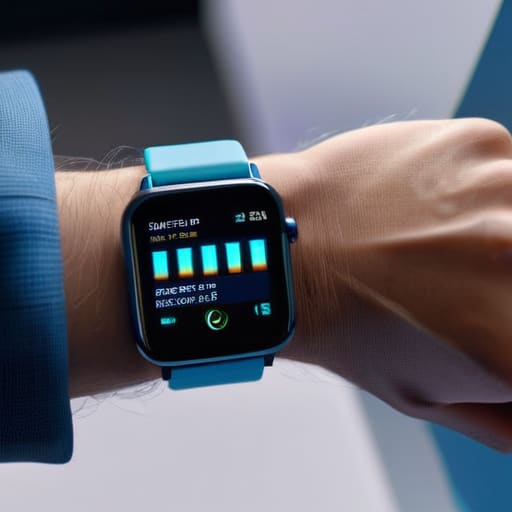
First, let’s clear the air: a sleep tracker is not a diagnostic tool. I see patients every week who are genuinely distressed because their wearable says they had “poor recovery,” even though they feel fine. Conversely, I see people who feel exhausted every morning but their watch tells them they slept perfectly. Your wristband is guessing based on movement; it isn’t measuring your brain waves. If you are looking for real answers, you need to move past the data points on your phone and focus on a formal sleep apnea diagnosis process or a clinical assessment if your symptoms are physical.
Secondly, you need to distinguish between “bad habits” and a clinical condition. If your struggle is driven by anxiety or irregular schedules, you might find that cognitive behavioral therapy for insomnia (CBT-I) is far more effective than any pill. However, if you are gasping for air or waking up with a racing heart, that is a physiological issue that requires a different path entirely. Don’t settle for generic medical advice for sleep hygiene if you haven’t first determined which group you actually belong to.
Practical Tips and Steps
First, stop trying to self-diagnose with a piece of plastic on your wrist. If you feel like you’re failing at sleep, start by looking at your environment and your schedule rather than a graph. Before you dive into expensive clinical interventions, try a week of strict consistency: same wake time every day, no matter what, and a bedroom temperature that wouldn’t make you sweat in your sleep. Often, what feels like a medical crisis is actually just a lack of circadian stability.
If the basics don’t move the needle, that is when you need to seek a professional sleep specialist consultation. Don’t just ask for “help”; ask for clarity. You need to know if you are a candidate for cognitive behavioral therapy for insomnia (CBT-I), which is the gold standard for those stuck in a cycle of worry, or if you need to undergo a formal sleep apnea diagnosis process. There is a massive difference between needing to retrain your brain and needing a machine to help you breathe, and you shouldn’t settle for anything less than a clear distinction.
Common Mistakes to Avoid
The first mistake I see—and I see it every single week in the clinic—is the attempt to self-diagnose using a piece of plastic on your wrist. Please, stop treating your wearable’s “sleep score” as a clinical truth. These devices are decent at detecting movement, but they are notoriously poor at distinguishing between actual sleep stages and just lying still in the dark. If you go into a sleep specialist consultation armed with nothing but a misinterpreted graph from a consumer gadget, you are starting from a position of confusion rather than clarity.
Another trap is the “all-or-nothing” mindset regarding insomnia treatment options. People often assume that if a simple change in routine doesn’t work, they must have a permanent, broken brain. This leads them to jump straight to heavy sedation, which often masks the issue rather than fixing it. They bypass proven methods like cognitive behavioral therapy for insomnia (CBT-I) in favour of a quick fix that doesn’t address the underlying architecture of their sleep. We need to distinguish between a bad habit and a physiological failure, and you can’t do that by chasing every wellness trend on your feed.
Final Thoughts
Look, I know how exhausting this cycle is. You spend your days fighting brain fog and your nights staring at a ceiling, wondering if you’re losing your mind or just failing at being a functional adult. Please understand that there is a massive difference between needing better medical advice for sleep hygiene and needing clinical intervention. If you’ve spent months adjusting your pillows and dimming your lights with zero change, stop punishing yourself for “not trying hard enough.” You aren’t failing; you might just be dealing with something that a blackout curtain can’t fix.
The next step isn’t buying a more expensive wearable; it’s seeking a professional perspective. Whether that means navigating the sleep apnea diagnosis process or looking into cognitive behavioral therapy for insomnia, the goal is to move away from guesswork and toward data that actually matters. Don’t settle for being told to “just relax.” You deserve to know if your struggle is a matter of habit or a physiological reality that requires proper, evidence-based care.
How to actually prepare for a conversation that matters
- Stop bringing your wearable’s data to the GP. If you walk in and say, “My Oura ring says my REM was low,” you are going to have a very difficult time being taken seriously. They want to know how you feel when you are awake, not what a light sensor on your finger thinks happened at 3:00 AM.
- Track your wake time, not just your bedtime. When I’m looking at a patient’s history, the most telling piece of information isn’t when they crawled into bed, but what time they actually stood up and started their day. Consistency there is often more diagnostic than the bedtime itself.
- Keep a “real world” sleep diary for two weeks before your appointment. I don’t mean a fancy app; I mean a pen and paper. Note down when you went to bed, roughly when you woke up, and—crucially—how many times you felt like you were gasping or choking in the night. That’s the stuff that actually helps us differentiate between a bad habit and a clinical issue.
- Be specific about the “daytime cost.” Don’t just say you’re “tired.” Tell me if you are struggling to drive, if you are losing your temper in meetings, or if you are falling asleep during a midday film. We need to know if your sleep quality is impacting your functional life, because that is what moves the needle from “lifestyle advice” to “clinical intervention.”
- Ask the question: “Is this a sleep disorder or a sleep hygiene issue?” It feels blunt, but it forces the clinician to categorise you. If it’s hygiene, they’ll tell you to cool your room and fix your schedule. If it’s a disorder, they should be talking to you about a referral for a formal study, not just telling you to stop drinking coffee at 4:00 PM.
The Essentials
Stop letting your wearable dictate your health; a sleep score is a mathematical guess, not a clinical measurement, and it often creates more anxiety than it resolves.
Distinguish between a bad habit and a medical disorder by looking at your consistency—irregular wake times and a warm bedroom are often the culprits, not chronic insomnia.
If you suspect a genuine physiological issue, stop trying to “will” yourself to sleep and seek a formal assessment that looks at your actual respiratory and neurological data.
Frequently Asked Questions
If my wearable says I had poor sleep quality but I feel fine during the day, should I still be worried about a clinical disorder?
If you feel fine during the day, you almost certainly don’t have a clinical disorder. Here is the truth: your wearable is not a medical-grade polysomnogram; it is an accelerometer with a fancy algorithm. It’s guessing based on movement, not measuring your brain waves. If your daytime alertness, mood, and energy are stable, ignore the “poor sleep score.” You aren’t sick; you’re just being misled by a piece of plastic on your wrist.
How can I distinguish between a genuine sleep disorder and just having a messy sleep hygiene routine before I book a GP appointment?
Before you book that GP appointment, look at your wake-up time. If your schedule is a moving target and your bedroom feels like a sauna, you’re likely dealing with poor habits, not a pathology. A genuine disorder—like sleep apnea or restless legs—doesn’t care how “clean” your routine is; it persists even when you’re disciplined. If you’re consistent and cool, yet still exhausted, that’s when we need to look at the clinical data.
What actually happens during a clinical sleep study, and is it really any more accurate than the data I'm already getting from my watch?
Look, your watch is a glorified pedometer for your head. It uses movement and heart rate to guess what you’re doing, but it can’t see your brain. In a clinical study, we use polysomnography—electrodes on your scalp to measure actual brain waves. I’m looking for the precise architecture of your sleep stages and your respiratory effort. A tracker tells you that you moved; a clinical study tells me if your brain actually transitioned into deep sleep.