
I’ve spent seventeen years in sleep clinics, often sitting in the dim light of a monitoring room while patients lie tethered to wires, dreaming of things they can’t quite explain. Most “expert” advice you’ll find online treats a bad dream like a profound psychological mystery that requires a decade of therapy or a expensive new supplement, but that’s rarely the whole story. I’m tired of seeing people convinced they have a deep-seated neurological crisis when, in reality, they’re just reacting to a bedroom that’s too stuffy or a sleep schedule that’s a total wreck. This isn’t your typical, fluffy complete guide to nightmares; it’s a look at what’s actually happening in your brain when the lights go out.
I’m not here to sell you a sleep tracker or tell you to “just relax.” Instead, I want to give you a clinical reality check. I am going to help you distinguish between the occasional, stress-induced bad dream and the kind of persistent nightmare disorder that actually warrants a medical referral. We will look at the physiological triggers, the evidence-based interventions that actually work, and—most importantly—how to tell if you’re dealing with a genuine medical issue or just a symptom of a messy lifestyle.
Beyond the Bad Dreams a Complete Guide to Nightmares
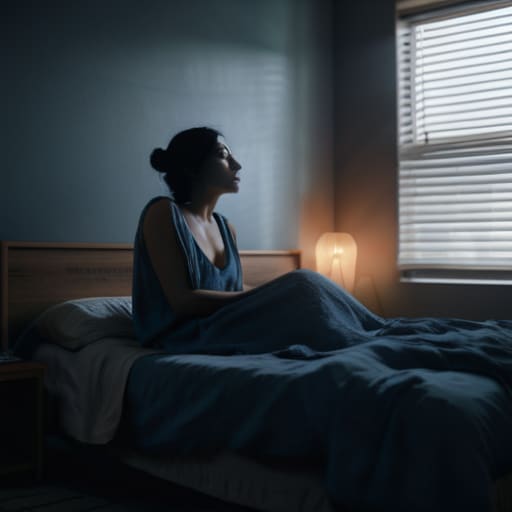
When I sit across from a patient in the clinic, they often describe nightmares as a terrifying, singular event. But after seventeen years of looking at sleep data, I’ve learned that what feels like a random horror movie is often a predictable physiological response. We need to distinguish between the occasional bad dream and actual nightmare disorder symptoms, where the terror becomes so pervasive that you start dreading the act of falling asleep itself. This isn’t just about “having a bad dream”; it’s about how those dreams disrupt your ability to function during the day.
Often, what people perceive as a deep-seated psychological crisis is actually a manifestation of REM sleep disturbances. If your sleep architecture is fragmented—perhaps because your bedroom is stiflingly hot or your wake times are all over the place—your brain can struggle to transition smoothly through sleep stages, leading to intense, vivid, and often distressing imagery. It is a fine line between a brain processing stress and a brain that is physically struggling to maintain stable sleep cycles. Before we jump to complex psychological interventions, we have to look at the biological foundation.
Distinguishing Nightmare Disorder Symptoms From Simple Stress

In my clinic, I see a lot of people who are convinced they have a clinical disorder because they had a particularly harrowing week at work. There is a massive difference between a bad dream triggered by a deadline and the repetitive, paralyzing cycle of true nightmare disorder symptoms. If your dreams are a reaction to a temporary spike in cortisol, they usually dissipate once your schedule settles. However, if you are experiencing persistent, recurring vivid terrors that leave you dreading the moment you close your eyes, we are looking at something much more structural.
The key is to look at the daytime fallout. Stress-induced dreams might leave you feeling a bit groggy, but a genuine disorder often manifests as significant REM sleep disturbances that bleed into your waking life. I ask my patients if they feel a sense of “sleep dread” or if the fear lingers long after the sun is up. If the psychological impact of bad dreams is making you avoid sleep altogether or causing hyper-vigilance during the day, it’s no longer just a “bad night”—it’s a medical pattern that requires more than just a better pillow or a change in your evening routine.
How Anxiety and Dream Patterns Signal Real Trouble
When I’m sitting in clinic, I often see patients who are terrified that their nightmares are a symptom of a permanent psychological break. Usually, it’s more nuanced than that. We need to look closely at the relationship between anxiety and dream patterns to see if we are dealing with a passing storm or a chronic cycle. If your anxiety spikes during the day and then translates into repetitive, visceral imagery that leaves you feeling physically exhausted upon waking, you aren’t just “having a bad dream.” You are likely experiencing REM sleep disturbances where the brain fails to transition smoothly through its restorative cycles, keeping you trapped in a state of high physiological arousal even while unconscious.
It is also vital to differentiate between a bad night and a true clinical issue. If you find yourself checking the clock at 3:00 AM, heart racing, feeling a sense of dread that persists long after you’ve opened your eyes, you are looking at the psychological impact of bad dreams that has crossed the line into a disorder. This isn’t something you can simply “think” your way out of with better sleep hygiene; it is a sign that your nervous system is stuck in a loop that requires more than just a cooler bedroom.
Decoding Rem Sleep Disturbances and Their Hidden Causes
When I was running overnight studies in the clinic, I spent a lot of time watching the monitors, waiting for that specific shift into REM. It’s the stage where your brain is incredibly active, almost as much as when you’re awake, but your body is effectively paralyzed to keep you safe. When we see frequent REM sleep disturbances on a polysomnogram, it isn’t just a glitch in the system; it’s often a sign that the brain is struggling to transition smoothly through these cycles. This can manifest as fragmented sleep where you feel like you’re constantly being jolted awake, often right at the peak of a dream.
It is important to look at the physiological context here. Sometimes, these disturbances are driven by external factors like alcohol consumption or certain medications that disrupt the architecture of your sleep stages. Other times, it’s a more direct reflection of anxiety and dream patterns working in a feedback loop. If your nervous system is stuck in a state of high alert, your brain doesn’t quite know how to “switch off” during that delicate REM period, leading to dreams that feel less like stories and more like survival scenarios.
Sleep Hygiene for Better Dreams vs Clinical Intervention
Here is where most people get stuck, and where my patience for generic advice usually wears thin. If your nightmares are a byproduct of a chaotic lifestyle—say, you’re scrolling through news feeds at midnight or your bedroom feels like a sauna—then standard sleep hygiene for better dreams will actually work. We’re talking about a consistent wake time, a cool room, and ditching the caffeine by noon. For many, these tweaks settle the nervous system enough to stop the dream cycle from turning sour. If the nightmares subside once your routine stabilizes, you haven’t been cursed; you’ve just been exhausted.
However, if you’ve optimized your environment and you’re still waking up in a cold sweat, we need to stop talking about lavender oil and start talking about clinical reality. When nightmares are persistent and carry a heavy psychological impact of bad dreams, they often cross the line from “bad habit” to a legitimate symptom of something deeper, like PTSD or a primary nightmare disorder. At that point, “trying harder” to sleep is useless. You don’t need a better pillow; you need a clinician who can help you navigate the underlying neurological or psychological trigger.
Measuring the Psychological Impact of Bad Dreams
When I sit across from a patient in the clinic, I often find that the most significant metric isn’t how many times they woke up, but how they feel when they finally open their eyes. We spend so much time discussing the physiological mechanics of REM sleep disturbances, yet we frequently overlook the sheer exhaustion that comes from anticipatory anxiety. This is the dread that sets in at 9:00 PM—the heavy, sinking feeling that you aren’t actually going to rest, but are instead heading into a psychological battleground.
If you find yourself checking your heart rate on a wearable or obsessively reviewing your sleep scores to see if your “nightmare density” has decreased, you’re missing the point. The true psychological impact of bad dreams is measured by your daytime functioning: your ability to concentrate, your emotional regulation, and whether you are living in a state of constant hyper-vigilance. If your dreams are leaving you feeling emotionally bruised or making you fearful of your own bed, we are no longer talking about simple bad luck; we are talking about a quality-of-life issue that requires more than just a temperature adjustment in your bedroom.
Five Ways to Tell if Your Nightmares Need a Doctor or Just a Better Routine
- Stop looking at your wearable’s “stress score” during the night; a gadget cannot tell if you are experiencing a traumatic flashback or if you’re just tossing because your bedroom is at 22 degrees.
- Audit your wake-up time before you audit your dreams—if your sleep schedule is a chaotic mess of varying hours, your REM cycles are going to be fragmented, and that fragmentation often manifests as vivid, unsettling imagery.
- Watch for the “fear of sleep” loop, where you start dreading the pillow; if you are staying awake specifically to avoid a dream, you aren’t just having bad dreams, you’re developing a psychological avoidance pattern that requires clinical support.
- Check your temperature, not just your thoughts; a body that is overheating during the transition into REM sleep is much more likely to trigger those frantic, suffocating nightmares that feel so incredibly real.
- Differentiate between “life stress” and “disorder” by asking if the nightmares happen only during a bad week at work, or if they have become a persistent, predictable feature of your biology regardless of your external circumstances.
The Bottom Line on Your Nightmares
Distinguish between “lifestyle nightmares”—those triggered by a hot room, a late-night screen session, or a chaotic wake time—and clinical nightmare disorder, which requires professional intervention rather than just a better pillow.
Stop trusting your wearable’s “sleep quality” score to explain your bad dreams; a tracker can tell you when you moved, but it cannot tell you why your brain is stuck in a loop of terror.
If your nightmares are causing genuine daytime distress or preventing you from functioning, stop trying to “sleep harder” and seek a clinical assessment to see if there is an underlying physiological or psychological driver.
Frequently Asked Questions
If my wearable says I’m spending too much time in REM sleep, does that mean my nightmares are actually a physiological problem?
I’ll say this once: your wearable is not a medical device. It is a glorified movement sensor trying to guess your brain activity. If your tracker says you’re in “excessive” REM, it’s likely just misinterpreting your restlessness or a slight change in your sleep architecture. It cannot tell me if your brain is actually malfunctioning. We don’t look at a watch to diagnose a disorder; we look at your daytime function and your clinical history.
At what point do these nightmares stop being a reaction to a stressful week and start being something a sleep study needs to investigate?
If they vanish once your workload lightens, it was likely just stress. But if the nightmares persist despite a calm week, or if you’re waking up with a racing heart and a sense of dread that lingers long after you’ve brushed your teeth, we need to talk. When the fear of going to sleep becomes a bigger problem than the dreams themselves, that’s when I stop suggesting “better hygiene” and start looking at clinical investigations.
I’ve tried all the standard sleep hygiene tips, but if my dreams are still this intense, am I just stuck with this or is there a clinical treatment?
If you’ve already mastered the “don’t look at screens” and “keep the room cool” basics and the nightmares are still tearing you out of sleep, we need to stop looking at your habits and start looking at your physiology. You aren’t “stuck,” but you might be dealing with something more complex than poor hygiene—perhaps a sleep disorder or a specific psychological trigger. It’s time to move past the lifestyle tweaks and look at clinical interventions.