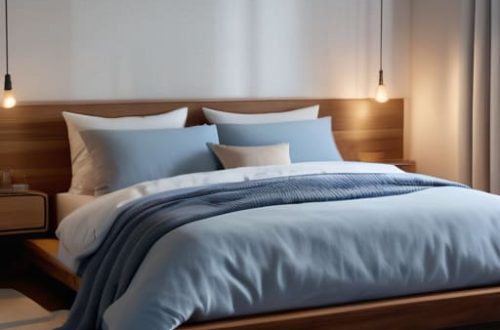
I spent a decade in the dark, sitting in clinical monitoring rooms while patients lay wired to headboxes, and if there is one thing I’ve learned, it’s that most people are looking for sleep solutions in all the wrong places. You don’t need a £3,000 smart mattress or a subscription to a sleep-tracking app that gives you a “readiness score” based on little more than your movement. In my experience, most of the frustration people feel regarding improving bedroom environment for better rest stems from being sold expensive gadgets when the actual culprit is often something as mundane as a radiator that won’t turn off or a window that doesn’t seal.
I’m not here to sell you a lifestyle brand or a new piece of tech. My goal is to help you cut through the expensive noise and focus on the physiological realities of sleep. I will show you how to distinguish between a genuine clinical disorder and the simple, fixable environmental triggers that are sabotaging your night. We are going to look at what actually matters—temperature, light, and consistency—and leave the marketing hype at the door.
Why Optimal Sleep Temperature Settings Matter More Than Your Tracker
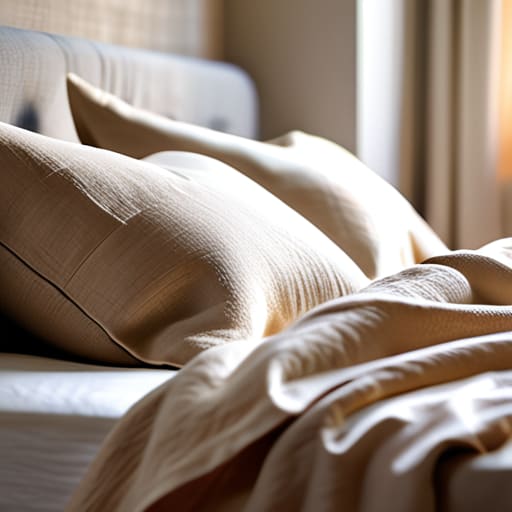
It’s also worth considering the physical comfort of your bedding, because even the most perfectly darkened, temperature-controlled room will fail you if you’re tossing and turning against heavy, synthetic fabrics. I often tell my patients that sleep hygiene isn’t just about the air temperature; it’s about the tactile environment you’re creating. If you find yourself constantly adjusting your covers or feeling restless, it might be time to look into more breathable, natural materials. I actually found some excellent, practical guides on selecting better textiles and managing home comfort through the Casualscotland site, which can be a helpful starting point when you’re trying to move away from the clutter of expensive gadgets and back to the basics of comfort.
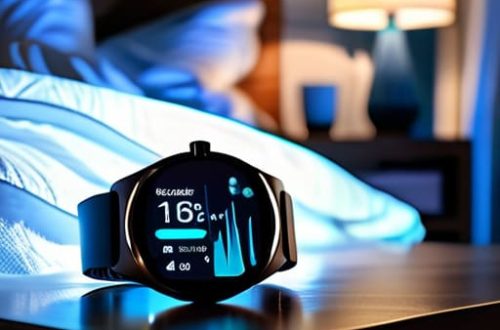
I see it every week in the clinic: a patient staring at a “Sleep Score” of 54 on their wrist, convinced they are suffering from a neurological deficit. They’ve spent hundreds on the latest wearable, only to spiral into more anxiety when the data looks “bad.” But here is the reality that your app won’t tell you: your tracker isn’t measuring your sleep quality; it’s mostly just guessing based on your movement. If you are tossing and turning because your duvet is too heavy or your radiator is humming away at 22°C, your tracker will register “restlessness,” but it won’t tell you why.
The truth is that optimal sleep temperature settings are a physiological requirement, not a lifestyle preference. Your core body temperature needs to drop to initiate deep sleep stages. If your environment is too warm, your body fights to thermoregulate all night long, preventing you from reaching those restorative depths. You don’t need a more expensive sensor; you need to lower your thermostat. Before you start worrying about the data points on your screen, check the air in the room. If the temperature is the culprit, no amount of digital tracking is going to fix the underlying biology.
The Truth About Blackout Curtains for Sleep Quality
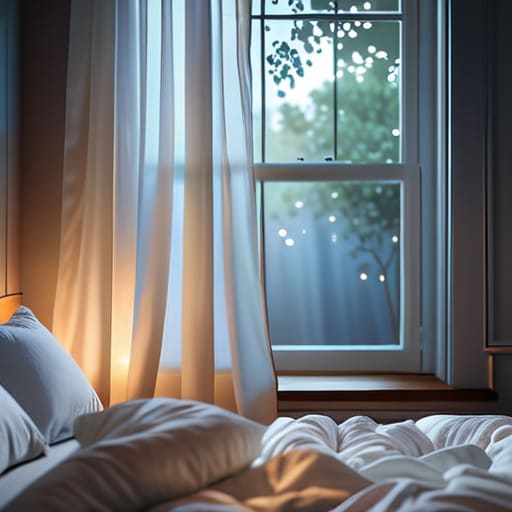
I see it every week in the clinic: patients who have spent hundreds of pounds on high-tech gadgets, yet they’re still being jolted awake at 5:00 AM by a sliver of light cutting through their window. There is a massive difference between “ambient light” and the kind of light that signals your brain to stop producing melatonin. If you are struggling with fragmented sleep, investing in blackout curtains for sleep quality isn’t just a luxury; it’s about biological signaling. When that first ray of sun hits your eyelids, your cortisol starts to climb, and your brain begins its transition into “daytime mode,” regardless of whether you’ve actually finished your sleep cycles.
However, I need to be clear: curtains are a tool for consistency, not a cure for a clinical disorder. If you have a genuine sleep apnea issue, a dark room won’t fix your oxygen desaturation. But if your problem is simply that your environment is too stimulating, then managing light is a fundamental part of your sleep hygiene bedroom checklist. Don’t let a salesperson convince you that you need a “smart” light system when what you actually need is a heavy, light-blocking fabric that creates a consistent, dark cave for your brain to rest in.
The bedroom audit: What actually moves the needle
- Stop treating your bed like a second office. If you’re sitting up in bed scrolling through emails or watching intense thrillers, your brain stops associating that space with physiological downtime. Your bedroom needs to be a sensory vacuum for everything except sleep and intimacy.
- Watch out for the ‘phantom’ noise. You might think you’ve habituated to the hum of the fridge or the street traffic, but your nervous system is still processing those micro-interruptions. If you can’t control the noise, use a white noise machine—not a podcast, not a playlist, just a steady, predictable frequency.
- Check your bedding’s breathability. I see so many people struggling with restless sleep because they’ve bought high-thread-count synthetic sheets that trap heat like a greenhouse. If your fabric doesn’t breathe, your core temperature won’t drop, and your sleep architecture will suffer for it.
- Audit your light hygiene, and I don’t just mean the curtains. That tiny, aggressive blue LED on your power strip or the glowing clock on your bedside table can be enough to disrupt your melatonin production. If it glows, tape it over or move it.
- Ditch the ‘sleep hygiene’ clutter. A bedroom filled with piles of laundry, half-finished projects, or heavy furniture can create a subtle, subconscious sense of visual ‘noise’ that keeps your brain in a state of low-level alertness. Keep the floor clear and the surfaces minimal.
Before You Buy Another Gadget
At the end of the day, optimizing your sleep environment isn’t about chasing a perfect score on an app or investing in the latest expensive “sleep tech.” It’s about the basics we often overlook because they aren’t flashy: keeping the room cool enough to let your core temperature drop, and ensuring your environment is dark enough to actually trigger melatonin production. If you’ve spent a fortune on a wearable only to find you’re still waking up at 3:00 AM, stop looking at the data and start looking at your thermostat and your curtains. Most of the time, you don’t have a mysterious physiological failure; you just have a room that isn’t working with your biology.
I know how exhausting it is to feel like your body has betrayed you, but please don’t mistake a poorly managed environment for a permanent medical condition. There is a massive difference between a lifestyle adjustment and a clinical disorder, and knowing which one you’re facing is the first step toward real relief. Take the pressure off yourself to “perform” sleep perfectly. Fix the temperature, darken the room, and give your nervous system a chance to settle without the noise of a dozen conflicting digital opinions. Real rest is much quieter than your tracker makes it seem.