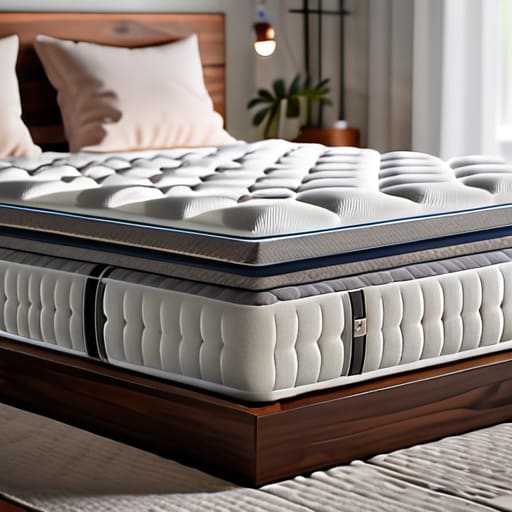
I spent a decade in a darkened sleep lab, watching patients struggle through the night while tethered to a dozen sensors, and if there is one thing I’ve learned, it’s that most people are being sold a lie. You’ll walk into a showroom and be bombarded by marketing jargon about “cloud-like pressure relief” and “revolutionary cooling gels,” as if a thousand-pound piece of foam is a magic cure for a restless mind. The truth is, choosing the right mattress for better sleep isn’t about finding a luxury hotel experience; it’s about basic spinal alignment and thermal regulation. We have been…
-
-
I spent ten years in a dimly lit sleep lab, watching patients twitch and toss under a web of electrodes, and if there is one thing I learned, it’s that your $300 wearable is lying to you. These gadgets obsess over your “sleep stages” and “recovery scores,” but they completely miss the point of why you actually feel like a zombie at 3:00 PM. You don’t need a more expensive sensor or a complex supplement protocol; most of the time, you just need to stop treating your wake-up time like a suggestion. We spend so much energy chasing “perfect” sleep…
-
I spent a decade in the dark, hunched over a monitor in a clinical sleep lab, watching the raw data of hundreds of people struggling to find peace. I’ve seen every expensive “sleep hack” under the sun, and frankly, most of them are a waste of your money. People will spend hundreds on weighted blankets or specialized essential oil diffusers, thinking they are improving bedroom environment for better rest, when they really just need to turn the radiator down and stop checking their wrist for a “sleep score” that isn’t actually a measurement of anything. I’m not here to sell…
-
I’ve spent seventeen years in sleep clinics, watching patients stare at their smartwatches in a state of quiet panic because a piece of plastic told them they had “poor recovery” after a stressful day. The wellness industry loves to sell you expensive, complicated solutions for this, often suggesting that the benefits of spending time in nature are some sort of mystical, spiritual transformation you can only achieve through a $200 retreat or a guided forest bathing seminar. It’s nonsense. Most of the time, your nervous system doesn’t need a spiritual awakening; it just needs to stop being trapped in a…
-
I see it every single week in the clinic: a patient who has spent hundreds of pounds on “smart” bedside lamps and high-tech dimmers, yet they’re still staring at the ceiling at 3:00 AM. They think they need a complete technological overhaul, but they’re missing the point entirely. Most of these expensive gadgets are just distractions from the fact that your room is functionally a bright, sterile box once the sun goes down. If you are chasing essential lighting layers for bedroom ambiance by simply buying more “smart” tech, you aren’t fixing your sleep hygiene; you’re just adding more blue-light-emitting…
-
I spent ten years in the dark, hunched over a monitor in a dimly lit sleep lab, watching the raw EEG data of people who were convinced they had a catastrophic neurological failure. Half the time, the “disorder” they were terrified of was actually just a massive, self-inflicted chemical imbalance. Everyone wants to believe their insomnia is a complex medical mystery, but more often than not, it’s a simple matter of how caffeine affects nightly sleep cycles and how little we actually understand about its half-life. You can buy a three-hundred-pound wearable to tell you your “sleep score” was low,…
-
I’ve spent seventeen years watching people lie in darkened hospital rooms, wired to a headbox while I score their breathing and brainwaves, and if there is one thing I’ve learned, it’s that your expensive smartwatch is lying to you. These gadgets give you a “sleep score” that feels like gospel, but they can’t tell the difference between a night of restless tossing and a genuine physiological event. When patients come to my clinic desperate for answers, I don’t ask for their wearable’s data; I ask for a paper log. We need to move past the digital noise and understand the…
-
I spent a decade in the dark, watching patients twitch and struggle under the glow of a monitor, often while they were being told their discomfort was “just stress” or “a lack of iron.” There is a massive, frustrating gap between the way people describe that maddening, crawling sensation in their limbs and the way medical brochures explain how restless legs syndrome works. You don’t need a complicated diagram of neurotransmitters to tell you that your legs feel like they’re filled with static electricity, but you do need to know if you’re dealing with a simple deficiency or a genuine…
-
I spent a decade in the dark, hunched over monitors in a clinical sleep lab, watching the physiological data of people who couldn’t close their eyes to save their lives. I’ve learned that most “sleep problems” aren’t mysterious neurological glitches; they are often just the result of a poorly managed environment. When parents come to me asking how shared bedrooms work for siblings, they usually expect a lecture on developmental psychology or a recommendation for expensive, soundproofed partitions. But after seventeen years of seeing how light, heat, and unpredictable noise actually disrupt the circadian rhythm, I can tell you that…
-
I spent a decade in the dark, sitting in dimly lit sleep labs while patients lay wired to headboxes, their brains screaming through EEG leads. In those rooms, I saw everything from profound apnea to the simple, frantic anxiety of someone who has forgotten how to switch off. Lately, the “sleep optimization” industry wants to sell you a £300 wearable or a subscription to a guided meditation app to fix your life, but they completely ignore the most basic physiological transition. People keep asking me if there is actual science behind how reading before bed helps, or if it’s just…