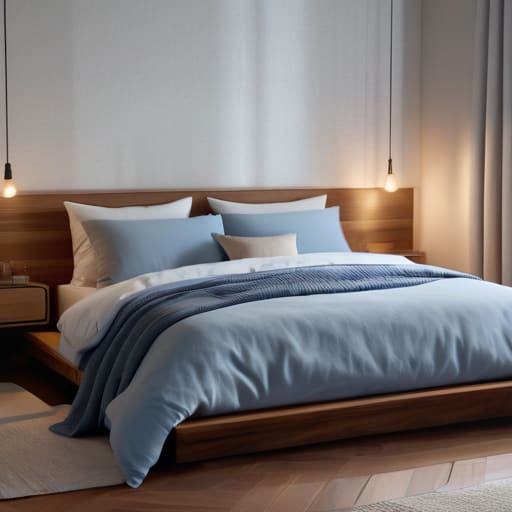
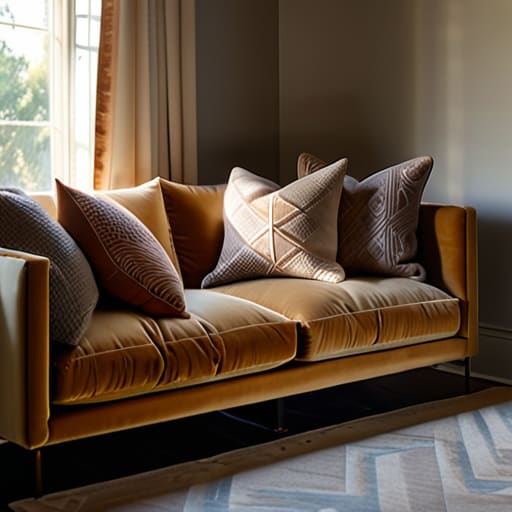
I’ve spent seventeen years in a sleep clinic watching people struggle with the very things they think are making them miserable, and if there is one thing I’ve learned, it’s that we are all being sold a lie about “perfect” environments. I see it constantly in interior design blogs: this frantic, expensive obsession with knowing exactly how to style decorative throw pillows as if a specific arrangement of velvet and linen is the magic cure for a room that feels uninviting. People spend a fortune on high-end textures and “designer” placements, only to end up with a sofa that looks…
-
-
I spent a decade in the dark of a sleep lab, watching patients struggle through the night, and if there is one thing I’ve learned, it’s that we have become obsessed with “optimising” things that actually just need breathing room. We’ve been sold this lie that productivity is a marathon of sustained focus, and when we inevitably crash, we reach for more caffeine or a fancy new app to track our “flow state.” But the truth is much simpler and far less expensive: the real benefits of taking frequent breaks aren’t found in a productivity hack or a biohacking supplement;…
-
I spent a decade in darkened sleep labs, watching patients drift in and out of consciousness while tethered to a dozen wires, and if there is one thing I’ve learned, it’s that the “sleep tech” industry is selling you a fantasy. You don’t need a £300 ring to tell you that you had a fragmented night; you already know you’re exhausted. Most of the frantic searching for the common causes of nighttime restlessness leads people down a rabbit hole of expensive supplements and complicated gadgets, when the culprit is often something as mundane as a bedroom that feels like a…
-
I spent a decade in the dark, watching patients twitch and struggle while tethered to a headbox in a clinical sleep lab, and if there is one thing I’ve learned, it’s that most people are looking for sleep solutions in all the wrong places. You’ve been sold this idea that you need a thousand-pound smart mattress or a subscription to a meditation app to finally get some rest, but frankly, most of those expensive gadgets are just expensive distractions. We spend so much time obsessing over high-tech metrics that we completely ignore the basic, physiological realities of our surroundings. If…
-
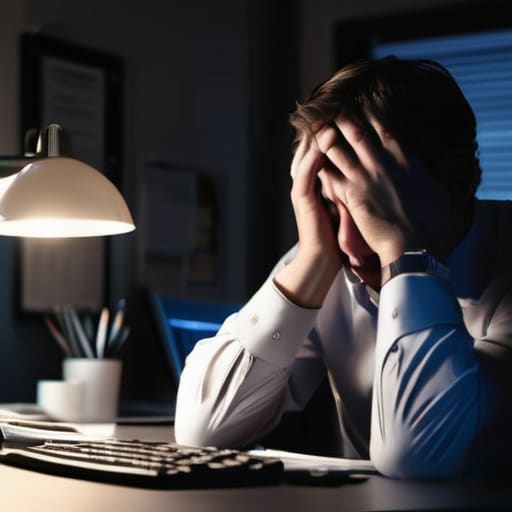
I spent ten years in the dark, watching people’s heart rates spike on a monitor while they slept, and if there is one thing I’ve learned, it’s that we are terrible at identifying our own physiological limits. I see so many people convinced that their exhaustion is a mysterious, incurable disease, when in reality, they are just caught in a cycle of hyper-vigilance. We’ve been sold this idea that “wellness” requires expensive supplements or a complete lifestyle overhaul, but when we talk about how work stress affects health, the truth is usually much more blunt. Most people aren’t suffering from…
-
I spent a decade in the dark, hunched over a monitor in a clinical sleep lab, watching the raw data of hundreds of people struggling to find peace. I’ve seen every expensive “sleep hack” under the sun, and frankly, most of them are a waste of your money. People will spend hundreds on weighted blankets or specialized essential oil diffusers, thinking they are improving bedroom environment for better rest, when they really just need to turn the radiator down and stop checking their wrist for a “sleep score” that isn’t actually a measurement of anything. I’m not here to sell…
-
I spent ten years in the dark, hunched over a monitor in a dimly lit sleep lab, watching the raw EEG data of people who were convinced they had a catastrophic neurological failure. Half the time, the “disorder” they were terrified of was actually just a massive, self-inflicted chemical imbalance. Everyone wants to believe their insomnia is a complex medical mystery, but more often than not, it’s a simple matter of how caffeine affects nightly sleep cycles and how little we actually understand about its half-life. You can buy a three-hundred-pound wearable to tell you your “sleep score” was low,…
-
I’ve spent seventeen years in sleep clinics, watching patients stare at their smartwatches in a state of quiet panic because a piece of plastic told them they had “poor recovery” after a stressful day. The wellness industry loves to sell you expensive, complicated solutions for this, often suggesting that the benefits of spending time in nature are some sort of mystical, spiritual transformation you can only achieve through a $200 retreat or a guided forest bathing seminar. It’s nonsense. Most of the time, your nervous system doesn’t need a spiritual awakening; it just needs to stop being trapped in a…
-
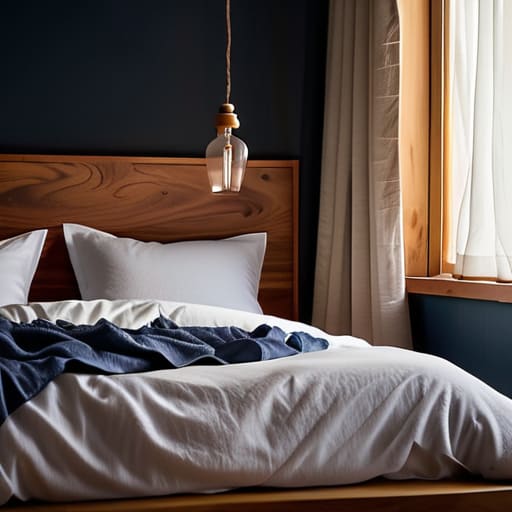
I spent a decade in the dark, watching patients struggle through sleep studies while they were tethered to a headbox, and if there is one thing I’ve learned, it’s that people tend to overcomplicate the solution. I see it all the time in the clinic: someone comes in exhausted, convinced they need a high-tech sleep tracker or a revolutionary new supplement, when they’ve actually spent months designing a calming bedroom color palette that is nothing more than a high-energy, visual headache. We’ve been sold this idea that sleep is a complex biological puzzle to be solved with gadgets, but sometimes…
-
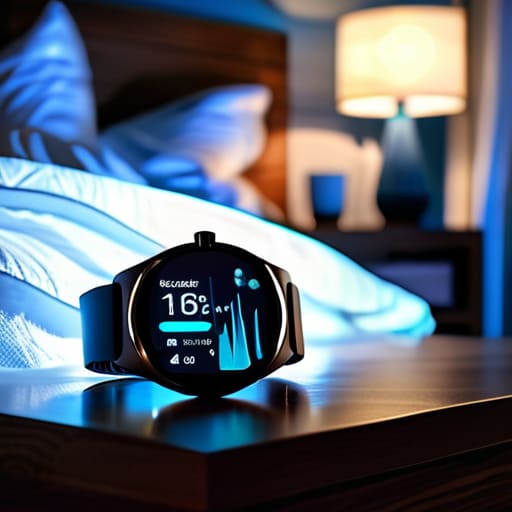
I’ve spent seventeen years watching people lie in darkened hospital rooms, wired to a headbox while I score their breathing and brainwaves, and if there is one thing I’ve learned, it’s that your expensive smartwatch is lying to you. These gadgets give you a “sleep score” that feels like gospel, but they can’t tell the difference between a night of restless tossing and a genuine physiological event. When patients come to my clinic desperate for answers, I don’t ask for their wearable’s data; I ask for a paper log. We need to move past the digital noise and understand the…