I spent a decade in darkened sleep labs, watching patients struggle to settle while wired to a headbox, and if there is one thing I’ve learned, it’s that the wellness industry is peddling a lot of expensive nonsense. You’ll see ads for $80 lavender mists or “revolutionary” breathing apps that promise a complete guide to relaxation techniques, but most of it is just noise designed to separate you from your money. As a clinician, I see the exhaustion in people’s eyes every day, and frankly, it frustrates me that they are being told to “just relax” using methods that have…
-
-
I spent ten years in the dark, sitting in dimly lit sleep labs while patients lay wired to headboxes, tossing and turning under the hum of medical monitors. I’ve seen it all: the genuine respiratory struggles that keep people awake, and the endless stream of people convinced their “sleep score” on a shiny new wearable is a medical diagnosis. Most of the noise you hear online about the common causes of nighttime restlessness is either expensive nonsense or oversimplified fluff that ignores the actual physiology of what’s happening in your brain. If you’re staring at the ceiling at 3:00 AM,…
-
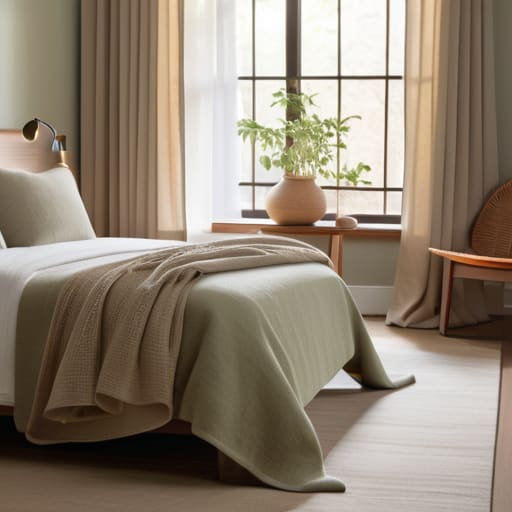
I spent a decade in the dark, sitting in windowless sleep labs while patients lay tethered to headboxes, and if there is one thing I learned, it’s that people are being sold a lie. You don’t need a £3,000 smart mattress or a subscription to an app that tells you how “badly” you slept—which, by the way, is rarely a clinical measurement. Most people come to me searching for expensive ways to improve bedroom environment, convinced they need more gadgets, when in reality, they are just sleeping in a room that feels like a sauna. I’m not here to sell…
-
I was standing in the middle of a damp, grey field at 5:30 AM last Tuesday, shivering slightly as the light began to bleed through the mist, when I realized how much the wellness industry has lied to you. You’ve been sold this idea that “forest bathing” is some expensive, mystical ritual or a spiritual awakening you need to book a retreat to achieve. It’s nonsense. While the benefits of spending time in nature are scientifically indisputable, they aren’t magic, and they certainly aren’t a substitute for fixing a broken circadian rhythm. Most of the “nature therapy” you see on…
-
I spent a decade in sleep clinics, watching people struggle with the sheer, heavy exhaustion of being awake when they shouldn’t be, and if there is one thing I’ve learned about human connection, it’s that we are terrible at diagnosing our own social friction. Most “experts” will tell you that learning how to start a conversation with a stranger requires a complex psychological framework or a series of rehearsed “icebreakers” that feel more like a job interview than a human interaction. They treat social ease like a biological deficiency you need to fix with a seminar, when in reality, most…
-
I spent ten years in a darkened sleep lab, watching patients struggle to drift off while tethered to a dozen electrodes, and if there is one thing I’ve learned, it’s that the wellness industry loves to overcomplicate the simple. You’ll see influencers charging hundreds for “float tanks” or high-tech isolation pods, claiming they hold the secret to mental clarity, but they are often just selling you an expensive way to hide from a life that is too loud. We talk about the importance of sensory deprivation as if it requires a specialized ritual or a piece of expensive hardware, when…
-
I spent a decade in the dark, sitting in clinical monitoring rooms while patients lay wired to headboxes, and if there is one thing I’ve learned, it’s that most people are looking for sleep solutions in all the wrong places. You don’t need a £3,000 smart mattress or a subscription to a sleep-tracking app that gives you a “readiness score” based on little more than your movement. In my experience, most of the frustration people feel regarding improving bedroom environment for better rest stems from being sold expensive gadgets when the actual culprit is often something as mundane as a…
-
I spent a decade in sleep clinics watching patients lie awake, staring at the ceiling, convinced they were failing at relaxation because they couldn’t “quiet their minds.” They’d come to me after downloading a dozen expensive apps, frustrated that they still couldn’t master how to practice mindful meditation without their brain performing a frantic inventory of every mistake they’d made since 2004. There is this pervasive, exhausting myth that meditation is about achieving a state of perfect, crystalline emptiness—as if your brain is a vessel you can simply scrub clean. It isn’t. That idea is clinical nonsense, and quite frankly,…
-
I spent ten years in a dimly lit sleep lab, watching patients struggle to drift off while tethered to a dozen different sensors, and I can tell you this: no amount of expensive, high-tech “sleep tech” can compensate for a room that feels like a sensory assault. I see people spending hundreds on smart mattresses and wearable trackers, yet they are still designing a calming bedroom color palette around whatever trendy, high-contrast shade caught their eye on a social media feed. If you’ve painted your sanctuary in a jarring, high-energy terracotta or a clinical, stark white just because it looked…
-
I spent a decade in the dark, hunched over a monitor in a dimly lit sleep lab, watching brain waves dance across a screen while my patients slept under a tangle of wires. I’ve seen every high-tech wearable on the market claim to “solve” sleep, but let me tell you something: your expensive smartwatch is guessing, and it’s often guessing wrong. If you want to stop the cycle of expensive gadgets and useless advice, you need to look at the data that actually matters. This is why I tell my patients that the benefits of keeping a sleep diary far…