I spent ten years in a darkened sleep lab, watching patients struggle through the night while tethered to a dozen sensors, and if there is one thing I’ve learned, it’s that people will spend a small fortune trying to engineer the “perfect” darkness. I see it every week in the clinic: someone convinced that their inability to stay asleep is a failure of their window treatments. They’re scrolling through endless reviews, trying to figure out how blackout options compare, weighing the merits of heavy velvet drapes against those stick-on suction blinds or the promise of a high-tech sleep mask. They think if they can just achieve total sensory deprivation, the sleep will finally come.
But here is the truth from someone who has spent seventeen years looking at actual sleep architecture: darkness is only one piece of a very messy puzzle. I’m not here to sell you a specific brand of curtain or tell you that a silk mask is a miracle cure. Instead, I’m going to look at the actual efficacy of these tools and help you decide if you’re solving a light problem or if you’re just masking a deeper issue like an irregular rhythm or a room that’s far too hot.
Blackout Curtains
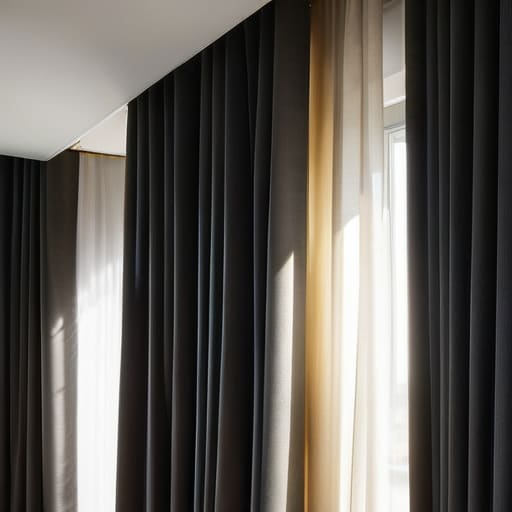
Blackout curtains are heavy, opaque fabric window treatments designed specifically to block out external light sources through high-density weaves or internal coatings. Their primary mechanism is to create a physical barrier that absorbs and deflects sunlight, providing a reliable way to achieve near-total darkness during daylight hours.
I see so many patients who spend a fortune on these, thinking they’ve finally solved their sleep fragmentation. There is a genuine, mechanical benefit here; if you are a shift worker or someone whose circadian rhythm is fighting a losing battle with the sunrise, these can be a lifeline. However, I often find that people treat them like a magic wand, assuming that once the room is dark, they will suddenly sleep like a log. The reality is that if your bedroom is still sweltering because you haven’t addressed the temperature, those thick, heavy fabrics might actually make your sleep environment more stifling rather than more restful.
Blackout Blinds
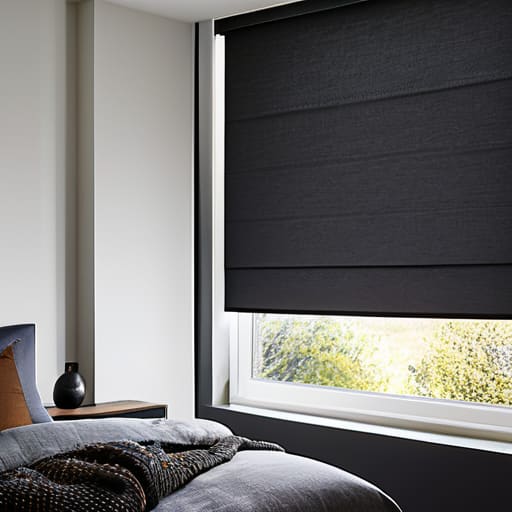
Blackout blinds are integrated window coverings, often involving roller or pleated mechanisms, that fit more snugly within the window frame to prevent light leakage. By minimizing the gaps typically found around the edges of traditional fabric, they offer a more streamlined approach to light control.
In the clinic, I hear a lot about the frustration of “light bleed”—those annoying slivers of morning sun that pierce through the sides of your curtains and snap you awake. Blinds can be incredibly effective at sealing those gaps, which is vital if you are sensitive to even the smallest photon of light. But I have to be the one to tell you: a tighter seal on your windows won’t fix a dysregulated sleep schedule. If you are staying up until 3:00 AM and trying to sleep until noon, you might find that even the most perfectly fitted blind can’t compensate for the biological chaos of an irregular wake time.
Comparison of Blackout Solutions
| Feature | Blackout Curtains | Blackout Roller Shades | Blackout Window Film |
|---|---|---|---|
| Primary Mechanism | Fabric density and light blocking | Mechanical roller system | Adhesive film application |
| Light Blocking Ability | Very High (95-99%) | High (90-98%) | Moderate to High (80-95%) |
| Installation Effort | Low (Rod mounting) | Medium (Hardware mounting) | Medium (Surface cleaning/application) |
| Price Point | Low to Moderate | Moderate to High | Low |
| Aesthetic Impact | Decorative/Textural | Minimalist/Clean | Invisible/Functional |
| Best For | Bedrooms and living areas | Modern windows and offices | Renters and single-pane glass |
Understanding How Blackout Options Compare
The problem with most people looking at blackout options is that they treat light like a binary switch—on or off. In the clinic, I see patients who have spent hundreds of pounds on heavy, velvet curtains only to still wake up at 5:00 AM because a sliver of light is bleeding through the side. If you don’t understand how these options actually interact with your specific window setup, you aren’t investing in sleep; you’re just buying expensive fabric.
Blackout curtains are the heavy hitters here, designed to dampen both light and sound, but they are notoriously fickle. If your installation isn’t near-perfect, you’ll end up with “light leaks” that act like a slow-motion alarm clock for your brain. On the other hand, blackout blinds—specifically cellular or pleated versions—offer a much tighter, more integrated seal against the glass. They don’t rely on gravity or perfect draping to work; they sit within the frame, which physically blocks the light paths that curtains often miss.
If your goal is absolute, clinical-grade darkness, the winner is blackout blinds. They provide a level of structural precision that curtains simply cannot match.
Key Things to Know
When we talk about blackout options, most people focus on the aesthetics or the ease of installation. But as a clinician, I care about the physiological reality: how these tools actually interact with your circadian rhythm. If you are trying to fix a sleep issue, you aren’t just “buying a curtain”; you are attempting to manipulate your environment to signal to your brain that the day is over. If the method fails to provide a consistent, pitch-black environment, you aren’t just mildly inconvenienced—you are potentially sabotaging your melatonin production.
The fundamental difference between permanent fixtures like blackout blinds and portable solutions like sleep masks lies in environmental control versus personal control. Blinds and heavy curtains are superior for creating a stable “sleep sanctuary” that affects the entire room, reducing the cognitive load of seeing light bleed through the edges. However, they are rigid. If you travel or have a partner who wakes up earlier than you, the room’s light profile changes. This is where masks win; they offer a fail-safe layer of darkness that moves with you, regardless of what the window is doing.
For sheer reliability in maintaining a dark environment, blackout blinds take the win, provided your installation is airtight.
Practical Tips and Steps
It’s all well and good knowing which curtain looks best in your bedroom, but if you can’t actually get them to work, you’re just staring at a piece of fabric while the sun mocks you at 5:00 AM. In my clinic, I see people who have spent hundreds on “solutions” that fail because they didn’t account for the physics of light leakage. If you don’t get the implementation right, you’re just performing sleep hygiene theatre.
When it comes to heavy blackout curtains, the practical hurdle is the installation; you need a wrap-around rod or a very wide bracket to prevent that annoying light halo from bleeding in at the edges. They are a commitment, but once they are up, they are set and forget. On the other hand, blackout blinds or shades are much more fiddly. You’re constantly battling the gaps at the sides, and if they aren’t fitted with surgical precision, they become little more than expensive, semi-transparent filters.
If you want a low-effort, high-impact change, the heavy curtains win for sheer reliability. They cover the mistakes of a poorly fitted window much better than a blind ever will.
The bottom line on blocking out the light
Don’t mistake a dark room for a solution to a broken sleep schedule; if your wake time is a moving target, even the thickest blackout curtains won’t fix your circadian rhythm.
Blackout curtains and blinds are great for environmental control, but they are secondary to temperature—if your room is too warm, you’ll still be tossing and turning in the dark.
Stop obsessing over “perfect” darkness as a cure-all; choose the option that actually fits your window setup and your budget, then focus on the habits that actually move the needle.
Frequently Asked Questions
If I get the blackout curtains, does that mean I can finally ignore my irregular wake times and still sleep well?
Short answer? Absolutely not. You can spend a fortune on the heaviest, most light-impenetrable curtains on the market, but if your wake time is a moving target, you’re just decorating a chaotic circadian rhythm. Darkness helps signal sleep, but consistency is what anchors it. If you’re waking up at 6:00 AM one day and 10:00 AM the next, those curtains are just a very expensive way to sleep in.
My sleep tracker says I’m waking up all night; will blackout blinds actually fix my sleep architecture or is it just masking a deeper issue?
Let’s be clear: your tracker isn’t measuring your “sleep architecture,” it’s measuring movement and heart rate. It’s a guess, not a clinical polysomnography. If you’re waking up, blackout blinds might help if light pollution is triggering micro-arousals, but they won’t fix a physiological issue like apnea or restless legs. If your wake times are erratic and your room is too warm, a fancy blind is just expensive wallpaper. Fix your routine first.
Is it worth investing in expensive blackout shutters if my bedroom temperature is already too high for deep sleep?
Honestly? No. If your bedroom is running hot, expensive shutters are just a very stylish way to trap heat against your windows. You’ll be sitting in a dark, expensive sauna, and no amount of darkness is going to compensate for a core temperature that can’t drop. Fix the thermal regulation first—ventilation, cooling, or even just a better window seal—before you go throwing money at aesthetics. Darkness is useless if you’re sweating through your sheets.