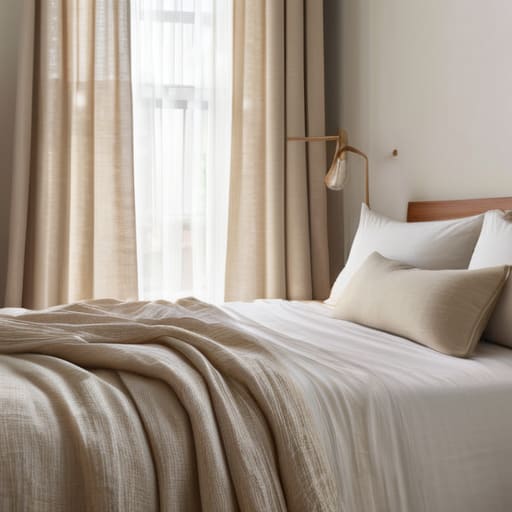
I spent ten years in a darkened sleep lab, watching patients struggle through the night while tethered to a dozen sensors, and if there is one thing I learned, it’s that your environment is often doing more damage than your biology. I’ve had countless patients come into my clinic, exhausted and frantic, convinced they have a profound neurological disorder, only to realise they are simply overheating in a bedroom that feels like a sauna. We spend so much time obsessing over sleep hygiene apps and expensive supplements, but we often overlook the most basic physical interface we have: our sheets. When you find yourself choosing between cotton and linen bedding, you aren’t just picking a texture for your bedroom aesthetic; you are deciding how your body will manage its core temperature during the most critical stages of your sleep cycle.
I’m not here to sell you a luxury lifestyle or tell you that a specific weave will magically cure your insomnia. My goal is to strip away the marketing fluff and look at the actual thermoregulation at play. I will explain how these fabrics behave when you actually start sweating at 3:00 AM, so you can decide which one is a genuine tool for rest and which one is just an expensive way to stay warm.
Cotton Bedding
Beyond the technicalities of fabric weaves, I often remind my patients that sleep quality is deeply tied to your broader environment and how you feel within it. If you find that your bedroom temperature is finally sorted but you are still struggling with intimacy or connection due to fatigue, it might be worth looking at how your lifestyle affects your personal life. For those navigating these shifts, finding reliable mature sex contacts edinburgh can sometimes provide a way to reconnect with that sense of human intimacy that often gets sidelined when we are perpetually exhausted. It is all part of the same puzzle: creating a life where you aren’t just surviving the night, but actually feeling present in it.
Cotton is a natural cellulose fibre derived from the seedpod of the cotton plant, prized primarily for its breathability and softness. Because the weave can be adjusted to varying densities, it offers a versatile range of textures from crisp percale to indulgent sateen. When you are choosing between cotton and linen bedding, cotton is often the default choice because it feels familiar and reliable against the skin from the very first night.
In my clinic, I see plenty of patients who swear they are struggling with temperature regulation, only to find they’ve been sleeping under heavy, synthetic blends that trap heat like a greenhouse. While cotton isn’t a miracle cure for a feverish bedroom, its ability to allow air to circulate means you aren’t fighting against your own sheets for thermal relief. It provides that predictable, clean sensation that helps settle the nervous system, provided you aren’t choosing a thread count so high that it actually becomes non-breathable.
Linen Bedding
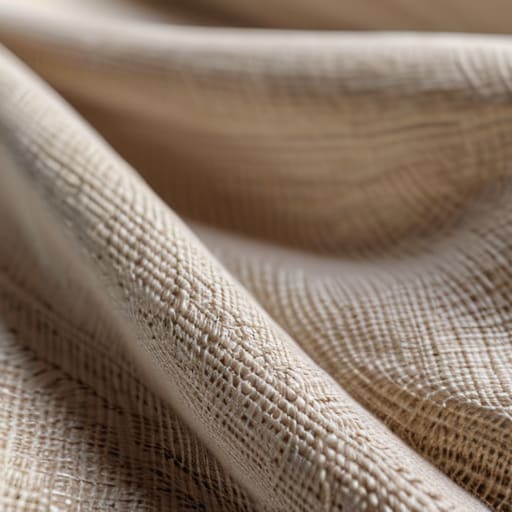
Linen is a textile crafted from the fibres of the flax plant, distinguished by its incredible durability and its unique ability to wick moisture away from the body. Unlike many other fabrics, linen actually becomes softer and more supple with every single wash, making it a long-term investment in your sleep environment. Its structural integrity allows for a more open weave, which is its primary mechanical advantage for temperature management.
If you are someone who wakes up feeling damp or slightly “stuck” to your bed, linen might be the physiological intervention you actually need. I often tell patients that a bedroom that feels like a furnace is often a result of poor moisture management, and linen acts like a natural cooling system for your skin. It doesn’t just sit there; it actively moves humidity away from you, which can be the difference between tossing and turning in a sweat and actually reaching those deeper, restorative stages of sleep.
Comparison of Cotton vs. Linen Bedding
| Feature | Cotton | Linen |
|---|---|---|
| Key Feature | Soft and versatile | Highly breathable and durable |
| Texture | Smooth and consistent | Textured and organic |
| Temperature Regulation | Moderate | Excellent (Cooling) |
| Durability | High | Very High (Gets softer with age) |
| Maintenance | Easy to wash/iron | Prone to wrinkling |
| Price | Generally more affordable | Premium/Higher cost |
| Best For | All-season comfort | Hot sleepers and luxury lovers |
Why Breathability of Linen vs Cotton Actually Matters for Thermoregulation
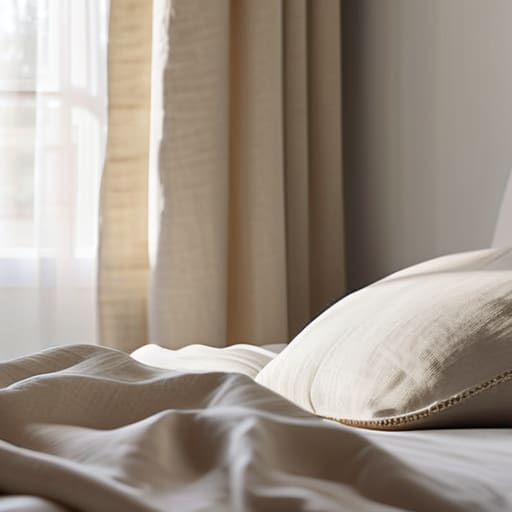
If you’ve ever woken up in the middle of the night feeling like you’re trapped in a humid greenhouse, you know that temperature isn’t just a comfort issue—it’s a sleep architecture issue. Your core temperature needs to drop to initiate and maintain deep sleep, and if your bedding acts like a thermal insulator rather than a vent, you are essentially fighting your own biology all night long.
Cotton is the reliable old workhorse; it’s breathable and handles moisture well, but it has its limits. Once you start sweating, cotton tends to hold onto that dampness, creating a heavy, clammy sensation that can disrupt your sleep cycles. Linen, on the other hand, is structurally different. Its fibers are thicker and more irregular, creating a natural weave that allows for superior airflow. It doesn’t just sit on your skin; it actively helps move heat away from your body.
For those of you who struggle with night sweats or simply find your bedroom feels like a furnace, the choice is clear. While cotton is perfectly fine for many, linen is the undisputed winner for active thermoregulation.
The Thread Count Myth Why Luxury Bedding Material Comparison Is Misleading
If you’ve ever walked into a high-end department store and felt pressured to buy the sheets with the highest number possible, I need you to take a breath. In my clinic, I see people obsessing over “luxury” specs when they should be looking at how the fabric actually interacts with their skin temperature. The problem is that the industry uses thread count as a shorthand for quality, but it’s often just a marketing smokescreen that has nothing to do with how well you actually sleep.
When it comes to cotton, a high thread count can sometimes be a trap; if the weave is too tight, you’re essentially sleeping inside a plastic bag, trapping heat against your body. Linen, by its very nature, doesn’t play that game. You don’t look for a “high thread count” in linen because the fibers are thicker and the magic lies in the structural weave and the breathability of the flax itself.
For cotton lovers, a moderate thread count is usually the sweet spot for airflow, whereas for linen, the number is almost entirely irrelevant. If you want to stop chasing numbers and start sleeping better, linen wins this round for sheer honesty.
Making the Choice
At the end of the day, choosing between cotton and linen isn’t about which one looks better in a staged catalogue photo; it’s about how your body manages heat while you’re unconscious. If you are someone who constantly kicks the duvet off in the middle of the night, the moisture-wicking properties and structural breathability of linen are likely your best allies. However, if you prefer a sense of soft, predictable weight and a smoother surface, high-quality cotton remains a gold standard for a reason. Don’t get distracted by the marketing fluff regarding thread counts or “luxury” labels—focus instead on how the fabric interacts with your skin temperature and whether it helps you maintain a stable, cool environment throughout the night.
We spend a third of our lives in these sheets, yet we often treat our bedding as an afterthought rather than a vital component of our physiological recovery. Whether you opt for the rugged durability of linen or the classic comfort of cotton, remember that no fabric can fix a fundamentally broken sleep routine, but the right one can certainly stop you from fighting your environment. Stop searching for a magical solution and start looking at the practical reality of your bedroom temperature. Once you get the thermal regulation right, you might find that sleep isn’t something you have to struggle for, but something that finally happens.