
I spent a decade in the dark, watching patients through a glass partition while they were wired to headboxes, and if there is one thing I’ve learned, it’s that we are terrible at understanding what “rest” actually means. Somewhere along the way, the wellness industry decided that learning how to rest with young children required a $200 weighted blanket, a subscription to a meditation app, and a complete overhaul of your lifestyle. It’s nonsense. Most parents I see in the clinic aren’t suffering from a physiological inability to relax; they are simply trying to apply “self-care” logic to a life that is fundamentally unpredictable and loud.
I am not here to sell you a gadget or suggest you “manifest” more energy through a morning ritual. Instead, I want to give you a clinical perspective on what your body actually needs when your schedule is being dictated by a toddler. We are going to strip away the expensive fluff and look at the actual mechanics of recovery—the difference between passive sleep and true physiological rest. I will show you how to stop chasing impossible perfection and start finding ways to recharge that actually respect the reality of your home.
The Self Care Lie Why Your Tracker Fails at Coping With Sleep Deprivation
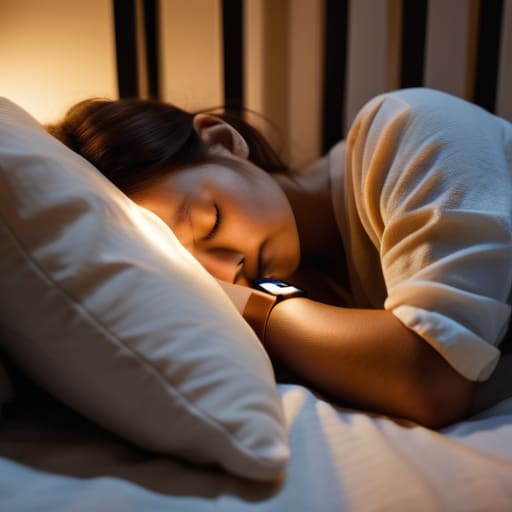
I see it every single week in the clinic: a parent staring at their wrist with genuine distress because their Oura ring or Apple Watch has handed them a “sleep score” of 42. They feel like they are failing at biology. But here is the clinical reality: your wearable is not a medical-grade polysomnograph. It is a collection of algorithms trying to guess your brain state based on how much you wiggle and how fast your heart beats. When you are coping with sleep deprivation due to a teething toddler or a midnight feeding, your physiological data is going to look like a wreck. The tracker can’t tell the difference between a night of broken, necessary parenting and a night of actual clinical insomnia.
The danger of these devices is that they turn rest into a performance metric, which is the fastest route to parental burnout prevention failing entirely. You start chasing a number instead of listening to your body. Instead of looking for a perfect score, we need to focus on restorative rest techniques that actually work in the gaps of a chaotic day. This means moving away from the digital anxiety of “did I get enough deep sleep?” and focusing on the small, manageable wins of physiological recovery.
Beyond the Nap Realistic Napping Strategies for Parents Who Cant Sleep

We need to stop treating the nap like a moral failing or a luxury you haven’t earned. In the clinic, I see the physiological fallout of chronic sleep fragmentation, and I can tell you that “powering through” is a recipe for cognitive decline. If you are coping with sleep deprivation while managing toddler sleep disruptions, you have to stop waiting for a perfect, uninterrupted four-hour window that simply isn’t coming. Instead, we need to look at micro-restorative periods. This isn’t about sleeping; it’s about lowering your cortical arousal. Even twenty minutes of lying still in a dark room—without the aim of unconsciousness—can help reset your nervous system when the house is finally quiet.
When it comes to actual napping strategies for parents, timing is everything. If you find yourself napping at 4:00 PM, you are essentially sabotaging your ability to fall asleep at midnight, creating a vicious cycle of delayed sleep phase. Aim for the “early afternoon dip” if possible. If you can’t get deep sleep, focus on sensory deprivation: an eye mask and white noise can do more for your perceived recovery than a caffeine hit ever will.
Managing Toddler Sleep Disruptions Without Losing Your Sanity
When a toddler decides that 3:00 AM is the optimal time for a lecture on why they need a specific blue cup, it isn’t just a disruption; it’s a physiological assault. I see the fallout in clinic all the time—parents who are physically exhausted but cognitively “wired,” unable to descend into sleep even when the child finally settles. The mistake most people make is trying to fight the disruption with sheer willpower. You cannot “discipline” your way into a better sleep architecture. Instead, managing toddler sleep disruptions requires a shift from trying to achieve perfect sleep to focusing on micro-recoveries.
If you are currently coping with sleep deprivation, stop aiming for the eight-hour gold standard; it’s an unrealistic metric that only breeds frustration. When the toddler finally sleeps, your goal isn’t necessarily to sleep yourself, but to lower your cortisol. This might mean fifteen minutes of lying in a dark, cool room without your phone, or practicing simple breathwork to signal to your nervous system that the “threat” of the wake-up call has passed. We aren’t looking for deep REM cycles in the middle of the night; we are looking for low-arousal states that prevent total burnout.
How to Rest With Young Children When Your Brain Wont Shut Off
The problem isn’t just that you aren’t sleeping; it’s that your nervous system is stuck in a state of hyperarousal. After years of being jolted awake by a toddler’s cry or a sudden movement in the crib, your brain has essentially learned that “quiet” is a precursor to “interruption.” You lie there in the dark, finally alone, but your mind is racing through a mental checklist of tomorrow’s logistics or replaying the last meltdown. This is where most people fail at coping with sleep deprivation; they try to force sleep, which only increases the physiological stress that keeps them awake.
Instead of fighting for unconsciousness, I want you to pivot toward low-stakes physiological regulation. If your brain is buzzing, don’t aim for sleep—aim for a reduction in autonomic arousal. This means moving away from the “I must sleep now” panic and toward restorative rest techniques like progressive muscle relaxation or even just focused, rhythmic breathing. We aren’t trying to hack your biology to bypass the exhaustion; we are simply trying to signal to your sympathetic nervous system that, for this specific moment, the environment is safe enough to let the guard down.
Restorative Rest Techniques What Actually Works vs What Is Just Noise
I see it every day in the clinic: patients who have spent hundreds of pounds on magnesium supplements, weighted blankets, and “sleep hacking” gadgets, only to find themselves more exhausted than when they started. When you are in the thick of parental burnout prevention, the last thing you need is a list of expensive, unproven rituals. Most of the “restorative” trends you see on social media are just noise designed to sell you a lifestyle you don’t have time for.
If we strip away the marketing, true restorative rest techniques are surprisingly boring. They aren’t about finding a magical lavender mist; they are about physiological regulation. Instead of chasing a perfect eight-hour window—which is a fantasy when you’re managing toddler sleep disruptions—focus on lowering your core body temperature and reducing sensory input. A cool room and ten minutes of actual silence are worth more than any high-tech gadget. We need to stop treating rest like a performance to be optimized and start treating it like a biological necessity that requires consistent, low-effort environmental control.
Parental Burnout Prevention and Improving Sleep Quality With Kids
When I sit across from parents in the clinic, I often see a specific kind of exhaustion—the kind that feels less like “being tired” and more like a fundamental erosion of the self. This is where parental burnout prevention moves from a buzzword to a clinical necessity. We need to stop treating sleep as a luxury you earn after the kids are down and start seeing it as a biological requirement that requires proactive management. If you are constantly reacting to crises, your nervous system stays in a state of high arousal, making even the few hours you do get incredibly low quality.
To move the needle on improving sleep quality with kids, you have to look at the architecture of your day, not just the hours in your bed. This means ruthlessly guarding your “wind-down” window, even if that window is only twenty minutes long. It means recognizing that consistency in your own wake time is often more restorative than trying to force a midday nap that leaves you feeling groggy and disoriented. We aren’t looking for perfection; we are looking for the small, evidence-based shifts that stop the cycle of depletion.
Five ways to reclaim rest when your schedule isn't your own
- Stop chasing the “perfect” sleep window. If you try to force a nap or a bedtime based on a rigid app schedule while your toddler is mid-tantrum, you’ll only end up more frustrated. Focus on “rest intervals”—even twenty minutes of lying still in a dark room when the house is quiet—rather than waiting for a perfect eight-hour block that isn’t coming.
- Lower the thermostat. I see this in the clinic constantly: people trying to “power through” exhaustion in a room that’s too warm. If you do get a chance to rest, make sure your environment is cool. A drop in core body temperature is a physiological trigger for sleep; trying to rest in a stuffy, overheated bedroom is fighting a losing battle against your own biology.
- Abandon the “Sleep Score” guilt. If you manage to get a nap in, do not check your wearable to see if it “counted.” Your tracker might tell you that you had poor sleep quality because your heart rate was slightly elevated from the stress of parenting, but that doesn’t mean the rest wasn’t physiologically useful. Trust how your eyes feel, not a graph on your wrist.
- Implement a “brain dump” before your own attempt at sleep. When you’re parenting, your brain stays in a state of hyper-vigilance, listening for the slightest cry or movement. Writing down the chaotic list of things you need to do tomorrow helps signal to your nervous system that it can stop “scanning” for a moment, moving you out of that frantic, wired state.
- Prioritise light exposure over caffeine. When the sleep deprivation hits its peak, the instinct is to reach for another coffee, which can mess with your circadian rhythm and make the eventual “crash” even more disjointed. Instead, try to get some natural light in your eyes as early as possible. It helps anchor your internal clock, making the little sleep you do get more efficient.
The Reality Check: What You Actually Need to Know
Stop obsessing over your wearable’s “sleep score”; it isn’t a clinical measurement and will only increase the anxiety that keeps you awake.
Distinguish between genuine sleep disorders and the physiological reality of life with small children—the former needs a specialist, the latter needs a more consistent wake time and a cooler bedroom.
Prioritise restorative rest over “perfect” sleep hygiene; when you’re parenting, survival often means finding ways to quiet the brain rather than chasing an eight-hour window that no longer exists.
Frequently Asked Questions
If my wearable says I'm getting "poor quality" sleep every night because of the kids, how do I know if I'm actually developing a clinical sleep disorder or if it's just a temporary phase?
Look, first, stop staring at that sleep score. Your wearable is guessing based on movement and heart rate; it isn’t measuring your brain waves in a clinical polysomnography. If you’re exhausted because of interrupted sleep cycles, that’s a predictable consequence of parenting, not a pathology. You’re likely looking at sleep fragmentation, not a disorder. If the fatigue persists long after the kids are sleeping through the night, then we talk about clinical insomnia.
Is there any actual physiological difference between "resting" while awake and getting actual sleep, or is the advice to just 'lie down' a complete waste of time?
Physiologically, there is a massive gulf between the two. When you sleep, your brain performs essential housekeeping—clearing out metabolic waste via the glymphatic system and consolidating memory. Simply lying still in a dark room provides “quiet wakefulness,” which can lower your cortisol and rest your muscles, but it doesn’t do the neurological heavy lifting. It’s a useful tool for recovery when sleep is impossible, but don’t let anyone tell you it’s a substitute for actual sleep.
How can I tell if my exhaustion is coming from the physical disruption of the kids or if my own circadian rhythm has been permanently broken by an irregular schedule?
It’s the question I get most often in clinic. To find out, look at your “anchor” time. If you have a rare, uninterrupted eight hours, do you feel restored, or are you still dragging? If you feel fine once the schedule stabilizes, it’s physical disruption. But if your body feels like it’s permanently stuck in a different time zone—regardless of how many hours you get—your circadian rhythm has likely lost its rhythm.