I spent a decade in the dark, watching patients toss and turn under a canopy of wires, and if there is one thing I’ve learned, it’s that most people are being sold a lie about their bedding. You’ll see influencers claiming that a specific “ergonomic” memory foam slab will solve your fatigue, but they rarely mention that how sleeping position affects pillow choice is less about the brand name and more about simple spinal alignment. I’ve seen countless people spend hundreds of pounds on “smart” pillows, only to wake up with neck stiffness because they’re a side sleeper trying to use a pillow designed for someone who stays flat on their back. It is exhausting to watch people chase expensive trends when the solution is usually just basic geometry.
In this guide, I’m stripping away the marketing fluff to give you what actually matters: the physiological reality of support. I won’t be peddling any overnight miracles, but I will show you how to match your specific posture to a pillow that actually prevents your muscles from working overtime while you sleep. We are going to look at the evidence-based mechanics of neck stability, so you can finally stop guessing and start resting.
Understanding How Sleeping Position Affects Pillow Choice

The reason I get so frustrated when patients come into the clinic complaining of a “bad neck” is that they are usually trying to solve a structural problem with a lifestyle fix. If you are a side sleeper, your head isn’t just resting on a cushion; it’s acting as a weight that needs to be suspended between your shoulder and your ear. If your pillow is too thin, your head tilts down, compressing the joints in your neck. If it’s too thick, you’re straining upward. You aren’t looking for “comfort” in the way a sofa feels comfortable; you are looking for specific pillow loft for spinal alignment to ensure your vertebrae aren’t being forced into an unnatural curve all night.
This isn’t just about luxury; it’s about basic biomechanics. When we talk about cervical spine support, we are talking about maintaining the natural curve of your neck regardless of how much you toss and turn. A back sleeper needs a different kind of contour than someone who spends the night curled in a fetal position. I often see people caught in the middle of the memory foam vs down pillows debate, thinking the material is the magic bullet, when in reality, they’ve simply chosen a density that doesn’t match their physical geometry.
Key Things to Know
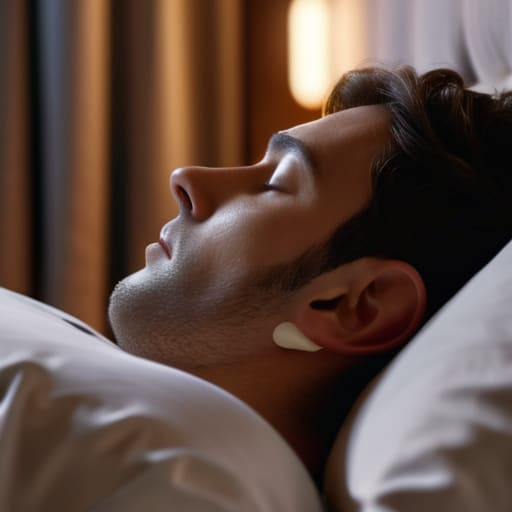
First, let’s clear the air: a pillow is not just a soft thing to rest your head on; it is a structural tool for cervical spine support. If you are a side sleeper, your primary goal isn’t “comfort” in the fluffy sense—it is filling the gap between your ear and the mattress. If that gap isn’t filled, your head tilts, your muscles tense to compensate, and you wake up feeling like you’ve been in a wrestling match. This is where most people fail; they buy a pillow that feels luxurious but lacks the necessary pillow loft for spinal alignment.
Second, stop getting distracted by the marketing wars of memory foam vs down pillows. One isn’t objectively “better” than the other; they simply serve different mechanical purposes. Down is wonderful for those who move constantly and need a cloud-like feel, but for someone seeking actual neck pain relief through sleeping positions, a more responsive material often provides the stability required to keep the spine neutral. You aren’t looking for the most expensive option on the shelf; you are looking for the one that prevents your neck from acting like a cantilever all night long.
Practical Tips and Steps
If you’re tired of waking up with that dull, nagging ache in your upper back, stop looking for a “magic” pillow and start looking at your geometry. The first practical step is assessing your pillow loft for spinal alignment. If you are a side sleeper, you need a pillow thick enough to fill the gap between your ear and the mattress, keeping your head from dipping toward the bed or tilting toward the ceiling. If you’re a back sleeper, you need something much shallower to prevent that forward chin-tuck that wreaks havoc on your breathing.
Next, move past the marketing fluff and look at materials through the lens of support rather than “feel.” While the debate of memory foam vs down pillows usually focuses on softness, I want you to focus on stability. Down is lovely for a cloud-like sensation, but it often collapses under the weight of your head, offering zero cervical spine support. For many of my patients, a high-density foam that maintains its shape is the difference between a night of tossing and turning and actual, restorative rest.
Common Mistakes to Avoid
The most frequent mistake I see in the clinic isn’t that people are buying “bad” pillows, but that they are buying the wrong density for their specific posture. I see countless patients chasing neck pain relief sleeping positions by switching to expensive memory foam, only to find they’ve actually exacerbated the issue because the foam is too firm to allow for natural movement. If you are a side sleeper, you cannot treat a pillow like a decorative cushion; you need a specific pillow loft for spinal alignment that fills the gap between your ear and your shoulder. If that gap isn’t filled, your head is essentially tilting into a permanent nod, and no amount of “sleep hygiene” will fix that mechanical strain.
Another trap is the “all-rounder” fallacy. People want one pillow to rule them all, but the physics of sleeping posture and sleep quality rarely allow for it. You might find a down pillow feels luxurious, but if it lacks the structural integrity to support your cervical spine throughout the night, you’ll wake up feeling like you’ve been in a wrestling match. Stop trying to find a single “perfect” pillow and start looking for the one that actually matches your body’s geometry.
Final Thoughts
Look, I’m not going to tell you that buying a specific pillow is a magic bullet that will solve a lifetime of exhaustion. If you have a clinical sleep disorder, a new piece of foam isn’t going to fix your breathing or your brain chemistry. However, if you are waking up with that familiar, nagging ache in your upper back or a headache that seems to bloom the moment you sit up at your desk, we need to talk about your cervical spine support. You cannot expect to feel rested if your body is spending eight hours fighting to keep your head in a neutral position.
Stop chasing the “perfect” pillow advertised by influencers and start looking at your actual mechanics. Whether you are debating memory foam vs down pillows or trying to find the right height, the goal is simple: alignment. If you can find the right pillow loft for spinal alignment that matches how you actually lie, you’ll stop fighting your bedding and start actually resting. It isn’t about luxury; it’s about physics.
Beyond the marketing: What actually matters for your alignment
- Stop buying “orthopaedic” pillows based on the box; if you’re a side sleeper, you need loft (height) that fills the gap between your ear and the mattress, otherwise, you’re just straining your neck muscles all night.
- For the back sleepers who think they need a massive, fluffy pillow, you’re likely doing more harm than good; you need something that supports the natural curve of your neck without pushing your chin toward your chest.
- If you’re a stomach sleeper, please stop trying to “fix” your neck pain with a thicker pillow; you need the thinnest profile possible to prevent your spine from arching like a bow.
- Don’t trust a “one size fits all” claim; your pillow choice is tethered to your shoulder width—if you have broad shoulders and sleep on your side, a slim pillow is a recipe for a tension headache.
- Check your pillow’s integrity, not just its softness; if the filling has clumped or flattened, it’s no longer providing the structural support required to keep your airway open and your spine neutral.
The bottom line
Stop chasing “miracle” pillows; if your neck is aching, it’s almost certainly because your pillow height isn’t compensating for the specific angle your spine makes in your preferred position.
Sleep hygiene is great, but it won’t fix structural misalignment—if you’re a side sleeper using a flat, soft pillow, you’re fighting a losing battle against gravity every single night.
Don’t let a wearable tell you your sleep was “bad” just because you moved; focus on whether your physical setup actually supports your body’s mechanics from dusk till dawn.
Frequently Asked Questions
If I switch from sleeping on my back to my side, do I need to replace my entire pillow setup or just change the loft?
You don’t necessarily need to bin your entire collection, but you can’t just “make do” with a flat pillow. When you move from your back to your side, you’re suddenly asking your neck to bridge a much larger gap between your ear and the mattress. If your current pillow is too thin, your head will tilt downward, straining those cervical muscles all night. Look for something with more “loft”—that’s the height—to keep your spine neutral.
My wearable says I'm tossing and turning all night; is that because my pillow is wrong for my position, or is it something more clinical like restless leg syndrome?
First, let’s address the elephant in the room: your wearable. A wrist-worn tracker cannot distinguish between a limb twitch and a genuine sleep stage transition; it’s essentially guessing based on movement. If your pillow is too thin for your side-sleeping posture, you’ll certainly toss to find comfort. But if you feel an actual physical urge to move—like a creeping or tingling sensation—that’s a clinical red flag for RLS, not a pillow problem.
How much does the temperature of my pillow actually matter for spinal alignment, or is that just another wellness myth?
It’s a bit of both. Temperature won’t physically shift your vertebrae, but if your pillow is a heat trap, you’re going to toss and turn. In the clinic, I see it constantly: people struggling with “alignment” when they’re actually just overheating. That restlessness leads to micro-movements that ruin your posture throughout the night. A cool pillow isn’t a magic fix for a bad spine, but it stops the heat-driven fidgeting that makes poor alignment much worse.