I spent ten years in the dark, sitting in cramped sleep labs while patients lay wired to headboxes, their breathing patterns telling truths their minds tried to hide. I’ve seen the exhausted look in a person’s eyes when they’ve followed every “wellness” tip in the book—the expensive magnesium supplements, the blackout curtains, the strictly timed lavender sprays—only to wake up feeling like they’ve been hit by a truck. The frustrating reality is that most people are being sold a lifestyle rather than a solution, and they never realize how sleep hygiene advice falls short because it treats a broken engine…
-
-
I spent a decade in the dark, watching people through a monitor in a sleep lab, and if there is one thing I’ve learned, it’s that people are far too quick to blame their hormones or their stress levels for a night of tossing and turning. Often, the culprit isn’t a complex physiological malfunction; it’s simply that you are fighting for territory in a space designed for one. We spend a fortune on “smart” mattresses and expensive supplements, yet we completely ignore the physical reality of how bed size affects couples and the sheer, claustrophobic lack of elbow room that…
-
I spent a decade sitting in darkened sleep labs, watching people struggle to drift off while tethered to a headbox, and if there is one thing I’ve learned, it’s that we are catastrophically bad at understanding our own biology. You don’t need a £400 wearable to tell you that your “sleep score” is low; you need to understand how constant stimulation affects rest in a world that refuses to turn off. Most of the advice you’re getting from influencers—buy this supplement, try this specific breathing technique—is just more noise. They are treating the symptoms of a hyper-stimulated brain while ignoring…
-
I spent a decade in the dark, watching patients through a glass partition while they lay tethered to a headbox, many of them convinced that their brains were simply broken. They’d come to me exhausted, having spent hundreds of pounds on magnesium supplements, weighted blankets, and “sleep-optimising” apps that do nothing but increase their anxiety. Most of them didn’t have a physiological catastrophe; they had a conditioning problem. They had accidentally trained their brains to view the bed as a place for frustration and alertness rather than rest. That is where understanding how stimulus control works becomes vital—it isn’t about…
-
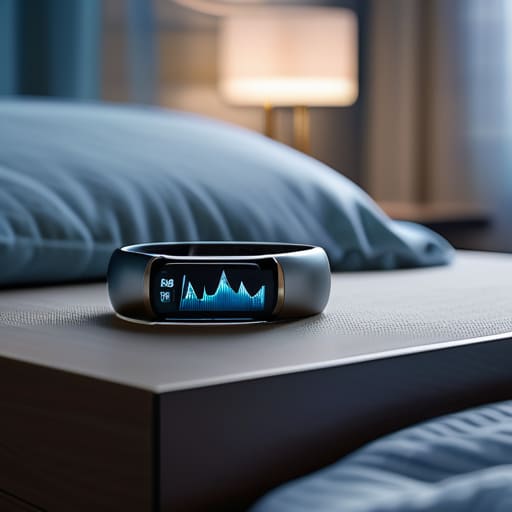
I spent ten years in the dark, sitting in clinical observation rooms while patients were tethered to a headbox by a web of electrodes, measuring the actual electrical architecture of their brains. Now, I spend my afternoons watching people stare anxiously at their wrists, convinced that a glowing “sleep score” of 64 means they’ve failed at being human. If you are looking for a complete guide to sleep trackers that promises to turn your smartwatch into a medical-grade diagnostic tool, you can stop reading right now. Most of these devices are essentially just glorified pedometers with a fancy algorithm, and…
-
I spent a decade in darkened sleep labs, watching people struggle against their own biology while tethered to a dozen sensors, and if there is one thing I’ve learned, it’s that we are terrible at understanding our own rhythms. Most of the “productivity gurus” online treat your brain like a piece of software that just needs a better user interface, promising that if you just download the right app or buy the right planner, your life will transform. It’s nonsense. They sell you the idea that willpower is the engine, when in reality, how habit change actually works is far…
-
I spent a decade in the dark, hunched over a monitor in a clinical sleep lab, watching the delicate architecture of human rest unfold in waves of EEG data. Most people come to me convinced they have a profound neurological disorder because they can’t drift off, but more often than not, the culprit is something far more mundane and physical. We spend hundreds, even thousands, on “smart” mattresses and high-tech sleep trackers that provide nothing but anxiety, yet we completely ignore the foundational structure beneath us. You can buy the most expensive cooling gel topper on the market, but if…
-
I spent a decade in a darkened sleep lab, watching patients struggle to find peace while tethered to a headbox, and if there is one thing I’ve learned, it’s that we have become terrified of the quiet. We treat every spare second—the queue at the chemist, the red light at a junction, the gap between tasks—as a vacuum that must be filled with a glowing screen or a podcast. We’ve been sold this lie that constant mental stimulation is the key to efficiency, but in reality, we are just overstimulating our nervous systems into a state of permanent low-grade agitation.…
-
I’ve spent seventeen years in sleep clinics watching people stare at their smartwatches with genuine distress, convinced that a single glass of Pinot Noir has fundamentally broken their brain. They come to me searching for a “complete guide to alcohol and sleep” that promises a magic window of time where they can drink without consequence, but the truth is much less glamorous. Most of the advice you see online—the kind suggesting you just need to “time your intake” or “balance it with magnesium”—is essentially expensive guesswork. I’ve seen the raw polysomnography data; I know exactly what happens to your sleep…
-
I’ve spent seventeen years watching people lie awake in darkened hospital rooms, staring at the ceiling and wondering why their “sleep hygiene” isn’t working. They’ve bought the expensive weighted blankets, they’ve tried the lavender mists, and they’ve certainly spent a fortune on wearables that tell them they slept poorly—which they already knew. Most of the advice out there is just a way to make you feel like you aren’t trying hard enough, but the truth about how sleep restriction therapy works isn’t about adding more rituals to your night; it’s about the uncomfortable process of taking time away from your…