I spent a decade in the dark, watching patients twitch and struggle under a mountain of wires, and if there is one thing I’ve learned, it’s that we are obsessed with overcomplicating the simplest biological processes. You’ll see it everywhere: expensive recovery gadgets, high-tech compression gear, and “biohacks” that promise to optimize your nervous system for a premium price. Most of this is just expensive noise. People think they need a complex protocol to bounce back from exhaustion or injury, but they completely ignore the foundational science of how walking supports recovery. It isn’t about hitting a specific step count…

-
-
I’ve spent seventeen years in sleep clinics watching people stare at their smartwatches, obsessing over a “sleep score” that is essentially just a fancy guess. We’ve become a culture of people trying to optimize our way out of exhaustion with expensive gadgets and complex protocols, when often, the problem is much simpler. You aren’t broken, and you don’t need a new biohacking app; you’re likely just suffering from cognitive depletion. I’ve seen it time and again: people think they need more caffeine or a stricter blackout curtain, but they actually just need to understand how nature exposure restores attention by…
-
I spent ten years in the dark, watching patients struggle through the night while wired to a headbox, and if there is one thing I’ve learned, it’s that most “expert” advice is just expensive noise. You’ll see influencers peddling a complete guide to caffeine and sleep that involves complicated supplement stacks or expensive “sleep hygiene” gadgets, but they almost always miss the point. They treat caffeine like a magic switch that you either flip or don’t, rather than looking at how it actually interacts with your unique neurobiology and your existing sleep architecture. It isn’t just about whether you had…
-
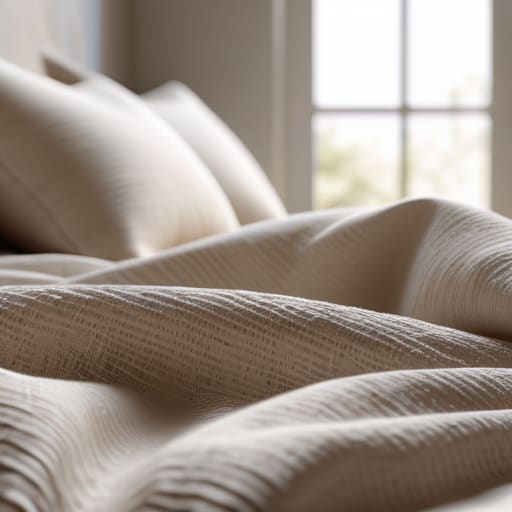
I was sitting in a consultation room last Tuesday, listening to a woman describe her “nightmare” sleep, only for her to reveal she’d spent three hundred pounds on a new set of Egyptian cotton sheets because she thought they were the gold standard. She was convinced that a higher number meant better rest, but she was actually waking up sweating and restless. This is exactly how thread count misleads buyers into thinking they are purchasing luxury when they are actually just buying trapped heat. In my seventeen years of looking at sleep data, I’ve seen that the most expensive bedding…
-
I’ve spent seventeen years watching people struggle through the night, wired to headboxes in dimly lit sleep labs, and if there is one thing I’ve learned, it’s that the wellness industry is lying to you about chronic discomfort. You don’t need a thousand-pound smart mattress or a subscription to a meditation app to fix a body that is physically hurting. Most of the “solutions” being peddled online completely ignore the biological reality of how pain management affects rest, treating a neurological or inflammatory signal like it’s just a case of poor mindset. It is incredibly frustrating to see people being…
-
I spent a decade in the dark, watching patients struggle against the wires of a polysomnography machine, and if there is one thing I’ve learned, it’s that the “sleep hygiene” industry is selling you a lie. You don’t need more lavender oil, more expensive blackout curtains, or another $300 wearable telling you that you slept poorly. When people ask me how CBT for insomnia works, they are usually expecting some magical psychological trick to switch their brain off. It isn’t. It is a rigorous, often frustratingly practical recalibration of your relationship with your bed, designed to strip away the learned…
-
I spent a decade in the dark, watching patients twitch and struggle under a tangle of wires, and if there is one thing I’ve learned, it’s that we are far too quick to blame a “broken brain” for a bad night. Most people come to my clinic convinced they have a permanent neurological deficit, when in reality, they are just caught in a cycle of trying to fix a sleep problem with more chemistry. We’ve been sold this idea that every restless night requires a prescription, but we rarely stop to ask how medication affects sleep in the long term…
-
I spent a decade in the dark, sitting in windowless sleep labs while patients lay wired to headboxes, staring at the ceiling in a state of quiet panic. I’ve seen it a thousand times: a person has one terrible week due to a new job or a bereavement, and suddenly they are convinced their brain has broken. They start obsessing over every minute of lost rest, turning a temporary setback into a lifelong struggle. Most of the “expert” advice you see online suggests you need expensive supplements or complex breathing rituals to stop the slide, but they miss the point…
-
I spent a decade in a darkened sleep lab, watching patients struggle through the night while tethered to a headbox, and if there is one thing I’ve learned, it’s that people are desperate for a shortcut. Lately, my feed is flooded with influencers claiming that yoga nidra is a magical reset button for your brain—as if a twenty-minute audio track can instantly rewire a decade of chronic sleep deprivation. I get the appeal, but we need to stop treating it like a panacea. If you want to understand how yoga nidra works, you have to stop looking for a miracle…
-
I’ve spent seventeen years watching people struggle through the night, and if I had a pound for every time a patient told me they’d spent hundreds on “smart” pillows or high-thread-count luxury sets only to still wake up sweating and restless, I’d have retired from the NHS a decade ago. We have been sold this idea that sleep is a luxury problem to be solved with expensive gadgets, when in reality, it’s often a basic thermoregulation problem. Most people spend far too much time obsessing over brand names and not nearly enough time understanding how bedding materials compare when it…