I spent ten years in the dark, hunched over a monitor in a quiet clinic, watching EEG traces flicker while my patients slept under the hum of medical equipment. I’ve seen every gadget imaginable—from expensive blue-light blocking glasses that cost a fortune to those wearable rings that swear you had “restorative sleep” when I can see from your physiological data that you were actually tossing and turning. The truth is, most of this tech is just noise. People are being sold a mountain of expensive solutions for a problem that is actually much simpler: they don’t understand how light sets the body clock in a way that actually matters. We’ve overcomplicated the biology to the point where we’ve lost sight of the basic, physical signals our brains need to function.
I’m not here to sell you a new supplement or a subscription to a sleep app. My goal is to strip away the marketing fluff and give you the clinical reality. I want to show you which light exposures actually move the needle for your circadian rhythm and which ones are just expensive distractions. We are going to look at the evidence, separate the biological facts from the wellness trends, and figure out how to reset your system without needing a PhD or a high-end wearable.
Stop Blaming Your Brain for How Light Sets the Body Clock
I see it in the clinic every week: patients convinced they have a “broken brain” or a faulty internal mechanism that simply refuses to shut down. They’ve spent months, sometimes years, spiralling into anxiety because they think their mind is the enemy. But more often than not, it isn’t a psychological malfunction; it’s a biological mismatch. Your brain isn’t broken; it’s just responding perfectly to the signals you’re sending it.
When we talk about circadian rhythm regulation, we aren’t talking about willpower or “calming your thoughts.” We are talking about a physical, chemical process driven by your eyes. There is a tiny cluster of cells in your brain—the suprachiasmatic nucleus—that acts like a master conductor. It doesn’t care how much you’ve meditated or how many herbal teas you’ve drank; it cares about photons. If you are flooding your retinas with high-intensity light at 11 PM, you are essentially telling that conductor to keep the orchestra playing. You aren’t suffering from insomnia; you are suffering from a massive, unintended signal error.
The Suprachiasmatic Nucleus Function Your Internal Clocks Real Master
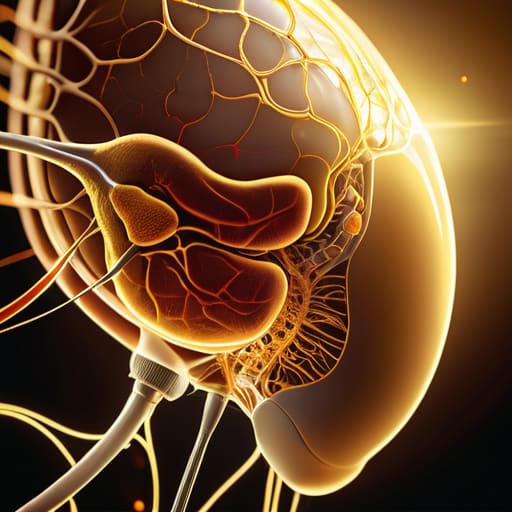
If you want to understand why you feel like a zombie at 3 PM, you have to look at a tiny cluster of cells in your hypothalamus called the suprachiasmatic nucleus, or SCN. I like to think of the SCN as the conductor of an orchestra; it doesn’t play the instruments, but it ensures every biological process—from your core temperature to your hunger hormones—is playing in the same key. This is the heart of circadian rhythm regulation. When light hits your retinas, it sends a direct signal to the SCN, telling it exactly where you are in the day. It is an incredibly precise system, provided you actually give it the right signals.
The problem is that we are currently living in a state of biological confusion. In the clinic, I see the fallout of constant blue light exposure effects from screens and overhead LEDs that mimic the midday sun. When you stare at a phone at midnight, you aren’t just “staying awake”; you are actively lying to your SCN. You are telling your brain it is noon, which effectively halts the natural cascade of melatonin production and light sensitivity. Your master clock isn’t broken; it’s just receiving contradictory instructions.
Why Melatonin Production and Light Are Constantly at War
Think of melatonin as your body’s internal signal that the shift has ended and it’s time to power down. It isn’t a sedative that knocks you out like a sleeping pill; it’s a biological messenger. The problem is that your pineal gland is incredibly sensitive to the environment. When light hits your retinas, it sends a direct message to the brain saying, “Stay alert, the sun is up.” This creates a physiological tug-of-war where melatonin production and light are essentially fighting for control over your system.
In the clinic, I see the fallout of this battle every single day. We live in an era of constant, low-level stimulation where the impact of artificial lighting on sleep is profound. It isn’t just about a bright lamp in the evening; it’s the cumulative effect of overhead LEDs and the glow of a smartphone. When you expose yourself to these light sources late at night, you aren’t just “staying awake”—you are actively sending a biochemical signal to your brain to suppress the very hormone you need to initiate sleep. You’re essentially trying to drive a car with one foot on the gas and the other on the brake.
The Truth About Blue Light Exposure Effects on Your Rhythm
Now, let’s address the elephant in the room: the absolute frenzy surrounding blue light. If you’ve spent more than five minutes on social media, you’ve likely been told that your smartphone is a direct ticket to chronic insomnia. While it’s true that the short-wavelength light emitted by screens can suppress your melatonin, the reality is far more nuanced than a “screen time is bad” headline. The real issue isn’t just the colour of the light; it’s the intensity and the timing.
When we talk about blue light exposure effects, we aren’t just talking about a digital glow; we are talking about a biological signal that tells your brain it is midday. The problem is that modern life has created a state of constant, high-intensity artificial illumination. We aren’t just looking at a phone; we are living in environments that lack the natural dimming period our bodies expect. This constant bombardment disrupts circadian rhythm regulation not because the light is “evil,” but because we have effectively deleted the sunset from our daily lives.
How the Impact of Artificial Lighting on Sleep Ruins Regulation
The problem isn’t just that we’re staring at screens; it’s that we’ve effectively deleted the biological cues that tell our bodies when the day is over. In the clinic, I see patients who are exhausted but can’t “switch off,” and they often blame anxiety. But more often than not, they are living in a state of perpetual biological twilight. By flooding our homes with high-intensity, cool-toned LEDs from sunset onwards, we are sending a constant, contradictory signal to the brain. We are essentially telling our suprachiasmatic nucleus function that it is midday, even when we are sitting in our pyjamas.
This constant state of physiological confusion is what makes the impact of artificial lighting on sleep so insidious. It isn’t a sudden crash into insomnia; it’s a slow, steady erosion of your sleep pressure. When you replace the gradual dimming of natural dusk with the harsh, static glare of a smart bulb, you aren’t just “staying awake”—you are actively suppressing the hormonal cascade required for deep, restorative rest. You aren’t broken; you’re just living in a light environment that your biology wasn’t designed to handle.
Using Natural Sunlight and Sleep Hygiene to Fix Your Timing
If you want to actually move the needle on your sleep, you need to stop obsessing over expensive blackout curtains and start looking at your morning. The most effective tool for circadian rhythm regulation isn’t a supplement; it’s the sun. I tell my patients all the time: get outside within thirty minutes of waking. Even on a grey, overcast morning in the UK, the lux levels—the intensity of light—hitting your retinas are orders of magnitude higher than your brightest living room lamp. This morning light is the signal that tells your suprachiasmatic nucleus to stop producing melatonin and start the countdown for tonight’s sleep drive.
This isn’t about “sleep hygiene” in the way the wellness industry sells it—it’s not about lavender oils or silk eye masks. It’s about biological timing. If you spend your morning in a dim room staring at a laptop, you are essentially telling your brain it is still twilight. To fix your rhythm, you need to anchor your day with light early on, and then aggressively manage the impact of artificial lighting on sleep once the sun goes down. It’s a simple matter of creating contrast between your day and your night.
Five ways to actually manage your light exposure (without the marketing fluff)
- Stop obsessing over blue light glasses and start looking at your morning. A pair of orange-tinted spectacles won’t save you if you spend your entire day in a dimly lit office; you need actual, meaningful photons hitting your retinas early in the day to anchor your rhythm.
- Get outside before you sit down at your desk. If you can, get ten minutes of natural light before 9:00 AM. It doesn’t matter if it’s overcast—the lux levels outside are still orders of magnitude higher than your brightest indoor bulb, and that’s what tells your SCN to start the countdown to sleep.
- Treat your evening lighting like a dimmer switch, not an on/off toggle. It isn’t just about “no screens”; it’s about the overhead glare. Switch to low-level lamps in the evening to mimic the natural fading of twilight, rather than bathing your living room in harsh, ceiling-mounted LED light.
- Stop trusting your sleep tracker’s “light exposure” score. Most wearables are essentially guessing based on movement and heart rate; they don’t actually know if you’re sitting in a sunroom or a windowless basement. Use your own eyes and your sense of timing instead.
- Fix your wake time to fix your light timing. If you’re trying to “reset” your clock by staying in bright light late at night, you’re fighting a losing battle. Consistency in when you first see light in the morning is far more powerful than any gadget you can buy to manage light at night.
The bottom line
Your brain isn’t broken; your light environment is. Most “insomnia” is actually just a circadian rhythm that has no idea what time of day it is because your light exposure is a mess.
Stop obsessing over your wearable’s “blue light alert.” A gadget telling you that you looked at a screen doesn’t mean anything if you haven’t seen actual sunlight today to anchor your clock.
Fix the anchors, not the symptoms. Forget the expensive supplements for a moment and focus on getting bright light in your eyes early and keeping your evening environment dim; that is what actually moves the needle.
Frequently Asked Questions
If my wearable says I got "good sleep" but I feel exhausted, is it because the light exposure messed with my rhythm or is the tracker just wrong?
It’s likely both, but let’s be clear: your tracker is almost certainly wrong. These devices don’t measure sleep; they estimate it using movement and heart rate, which is a far cry from the polysomnography I use in the clinic. If you feel exhausted, your body is telling you the truth, not the app. You’ve likely misaligned your circadian rhythm with poor light exposure, meaning even if you “slept,” the quality was physiologically hollow.
I work night shifts; is there any way to actually trick my SCN into resetting, or am I fighting a losing battle?
You aren’t fighting a losing battle, but you are fighting biology, and biology is stubborn. You can’t “trick” the SCN into a complete reset—it’s hardwired to the sun—but you can manage the signal. It’s about aggressive light management: total darkness for sleep and intense, bright light exposure during your “morning” shift. If you don’t control the light, your rhythm will always drift. It’s not about willpower; it’s about managing the input.
Does wearing blue-light blocking glasses in the evening actually do anything, or is that just another bit of expensive marketing fluff?
Honestly? For most people, they’re just expensive tinted plastic. If you’re sitting in a room with bright, overhead LED lights or staring at a tablet, those glasses aren’t doing much heavy lifting. They aren’t a magic shield. If you want to actually protect your melatonin, stop looking for a gadget and start dimming the lights. Lower the brightness, switch to warm lamps, and get off the screen. That’s what actually moves the needle.