I’ve spent seventeen years in sleep clinics watching people stare at their smartwatches with genuine distress, convinced that a single glass of Pinot Noir has fundamentally broken their brain. They come to me searching for a “complete guide to alcohol and sleep” that promises a magic window of time where they can drink without consequence, but the truth is much less glamorous. Most of the advice you see online—the kind suggesting you just need to “time your intake” or “balance it with magnesium”—is essentially expensive guesswork. I’ve seen the raw polysomnography data; I know exactly what happens to your sleep architecture when ethanol enters your system, and it isn’t just a bit of restlessness.
I’m not here to lecture you on moderation or sell you a supplement that promises to undo the damage of a heavy Friday night. Instead, I want to give you the clinical reality of how alcohol actually dismantles your sleep cycles. I will strip away the marketing fluff and explain what is actually happening to your breathing and your brain waves, separating the genuine physiological disruptions from the myths your wearable is likely feeding you.
Understanding Complete Guide to Alcohol and Sleep
To understand why that evening glass of Pinot Noir feels like a double-edged sword, we have to look past the initial “nodding off” phase. What you’re experiencing isn’t true restorative sleep; it’s a chemical sedation. There is a profound difference between the sedative effects vs sleep quality, and once the ethanol begins to clear your system, the biological bill comes due. As your liver processes the alcohol, your body undergoes a micro-version of withdrawal, triggering a state of hyper-arousal that keeps you in the shallow end of the sleep pool.
This is where the real damage happens to your alcohol and sleep architecture. While you might fall asleep faster, the alcohol acts as a chemical barrier to the deeper, more restorative stages of rest. Most notably, you will face significant REM sleep disruption. Because REM is the stage responsible for cognitive processing and emotional regulation, waking up feeling “foggy” isn’t just a hangover—it’s a direct result of your brain being denied its essential nightly maintenance. You aren’t sleeping; you’re just unconscious.
Key Things to Know
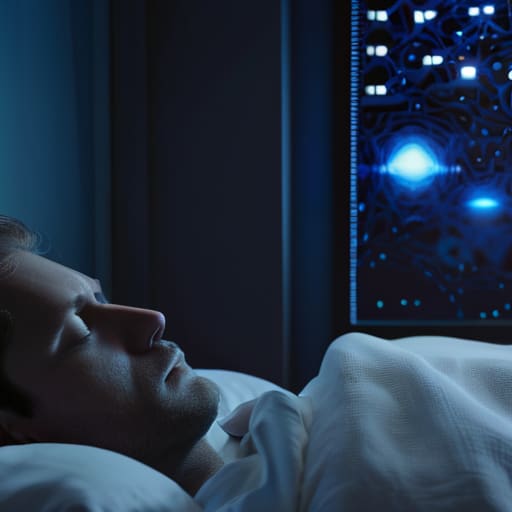
First, we need to clear up a dangerous misconception: there is a massive difference between sedative effects vs sleep quality. Alcohol is a depressant; it can certainly knock you out, but “unconscious” is not the same thing as “asleep.” When I look at polysomnography data, I see exactly what’s happening—the alcohol might help you bypass the initial struggle to drift off, but it essentially acts as a chemical sledgehammer to your sleep architecture. You aren’t resting; you are merely sedated.
The most significant casualty in this process is your REM sleep disruption. As the ethanol leaves your system in the middle of the night, your brain undergoes a sort of frantic rebound, leading to fragmented, shallow rest. This is why you wake up feeling like you’ve run a marathon rather than slept. If you are trying to manage this, focus on improving sleep hygiene after drinking by prioritizing hydration and a cool room, but understand that you cannot out-protocol a chemical disruption. You can’t “hygiene” your way out of a physiological reaction.
Practical Tips and Steps
If you’ve decided that a glass of wine is non-negotiable, my best advice is to build a buffer. Aim to finish your last drink at least three hours before your head hits the pillow. This gives your liver a head start on processing the ethanol, which helps mitigate the worst of the impact of ethanol on circadian rhythm. I often tell my patients that it isn’t just about falling asleep; it’s about what happens once you’re under. If you drink too close to bedtime, you aren’t actually resting; you’re just chemically sedated.
When you do wake up feeling like you’ve been hit by a bus, don’t go looking to your wearable for answers. It will likely report a fragmented night, but it won’t tell you why. Instead, focus on improving sleep hygiene after drinking by keeping your room exceptionally cool and dark. Since alcohol causes your core temperature to fluctuate, a chilled bedroom can help stabilize that physical restlessness. Most importantly, try to keep your wake time consistent the next morning, regardless of how poorly you slept. Consistency is the only way to stop the cycle of rebound insomnia from taking hold.
Common Mistakes to Avoid
The biggest mistake I see in the clinic is the “functional” drinker who believes they are managing their sleep because they can actually fall asleep. There is a massive difference between sedative effects vs sleep quality, and many patients conflate the two. You might drift off within minutes, but you aren’t actually sleeping; you are essentially being chemically sedated. This prevents your brain from moving through the necessary stages of restorative rest, leaving you cognitively foggy the next morning despite having “slept” for eight hours.
Another pitfall is the reliance on your wearable to “prove” how much a drink affected you. I see people obsessing over a low sleep score on their app, trying to troubleshoot their environment when the issue is physiological. No amount of blackout curtains or white noise will fix the REM sleep disruption caused by ethanol. If you are trying to fix your sleep by tweaking your bedroom temperature or your morning routine while still having a glass of wine in the evening, you are essentially rearranging the deckchairs on the Titanic. You cannot out-hygiene a substance that is actively dismantling your sleep architecture.
Final Thoughts
If you’ve spent the last few months obsessing over your wearable’s sleep score, trying to figure out why your “efficiency” plummeted after a glass of wine, please take a breath. Your tracker isn’t broken, but it isn’t a medical-grade polysomnogram either; it’s simply catching the fallout of what ethanol does to your biology. You aren’t just “sleeping poorly”—you are experiencing a profound REM sleep disruption that no amount of magnesium or weighted blankets can fully mask.
At the end of the day, I want you to stop treating sleep like a performance metric to be optimized and start treating it like a physiological necessity. There is a massive difference between the sedative effects vs sleep quality that people mistake for rest, and actual, restorative slumber. If you can, try to draw a line in the sand with your evening routine. Focus on improving sleep hygiene after drinking by prioritizing hydration and a cool room, but more importantly, recognize when the alcohol is the primary culprit. You deserve better than a night of fragmented, shallow rest.
Five Ways to Stop Sabotaging Your Sleep Architecture
- Stop using the ‘nightcap’ as a sedative; while it might knock you out faster, it’s actually fragmenting your sleep into a series of shallow, restless micro-awakenings that your wearable will likely misinterpret as ‘light sleep.’
- Watch the timing of your last drink—aim to finish your evening glass at least three hours before your head hits the pillow to give your liver a fighting chance to process the ethanol before you enter your most restorative sleep stages.
- Hydrate with intention, not just volume; if you are going to have a drink, pair it with a large glass of water, but don’t overdo the fluids right before bed or you’ll simply trade alcohol-induced restlessness for a midnight trip to the bathroom.
- Don’t trust your tracker’s ‘recovery score’ after a night of drinking; if you see a low score, don’t panic and try to ‘fix’ it with more supplements—just accept that the alcohol has disrupted your REM cycles and focus on a consistent wake time the next morning.
- Be honest about your ‘sleep hygiene’ vs. ‘sleep biology’; if you find yourself reaching for alcohol every single night to quiet a racing mind, we need to talk about whether you’re managing stress or masking a genuine sleep onset issue that needs clinical attention.
The Bottom Line
Alcohol is a sedative, not a sleep aid; it might help you lose consciousness faster, but it systematically dismantles your sleep architecture, particularly your restorative REM cycles.
Stop trusting your wearable’s “sleep score” to tell you how much the drink affected you—these devices are notoriously poor at distinguishing between alcohol-induced sedation and actual physiological sleep.
Consistency is your best defense; if you want to protect your sleep, the goal isn’t just about cutting back, but about managing your wake time and ensuring your bedroom environment isn’t working against you while the alcohol is processing.
Frequently Asked Questions
If my wearable says I had a "good" sleep score after a glass of wine, why do I still feel like I've been hit by a bus the next morning?
Because your wearable is essentially guessing. Most trackers use movement and heart rate to estimate sleep stages, but they aren’t measuring your brain waves. That glass of wine might have kept you still enough to trick the sensor into thinking you were in deep sleep, but your sleep architecture was actually a mess. You likely missed out on critical REM cycles and experienced fragmented micro-awakenings that your wristband simply isn’t sophisticated enough to catch.
Is there a specific "cutoff" time for a drink that actually protects my sleep architecture, or is any alcohol a net loss?
There is no magic “safe” hour, but if you’re looking for a way to salvage your sleep architecture, aim for at least three hours before your head hits the pillow. Alcohol is a sedative, not a sleep aid; it knocks you out, but it doesn’t let you sleep. Even a single drink late in the evening can fragment your REM cycles. If you drink close to bedtime, you aren’t sleeping—you’re just sedated.
How can I tell if my sleep issues are a genuine physiological reaction to alcohol or just a symptom of a broader, underlying sleep disorder?
The easiest way to tell is to look for the pattern when you aren’t drinking. If your sleep is a wreck every single night, regardless of whether you’ve had a glass of wine, we’re likely looking at a genuine disorder like apnea or restless legs. But if your sleep only falls apart on the nights you drink—or the mornings after—it’s likely the alcohol sabotaging your architecture. Alcohol mimics a disorder, but it’s usually just a chemical disruptor.