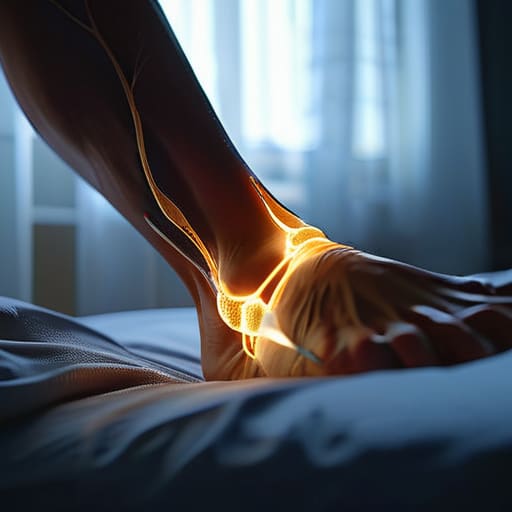
I spent a decade in the dark, watching patients twitch and struggle under the glow of a monitor, often while they were being told their discomfort was “just stress” or “a lack of iron.” There is a massive, frustrating gap between the way people describe that maddening, crawling sensation in their limbs and the way medical brochures explain how restless legs syndrome works. You don’t need a complicated diagram of neurotransmitters to tell you that your legs feel like they’re filled with static electricity, but you do need to know if you’re dealing with a simple deficiency or a genuine…
-
-
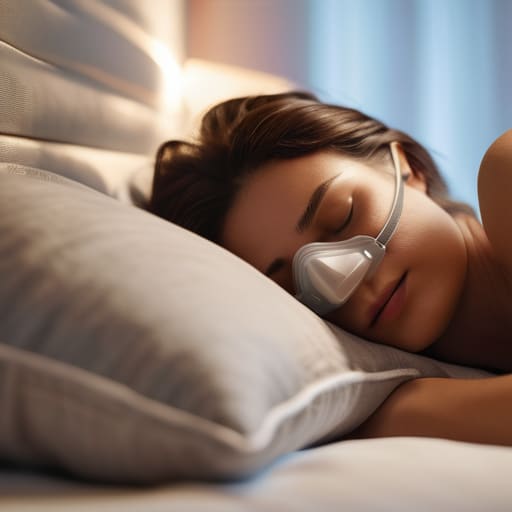
I’ve spent seventeen years sitting in dimly lit sleep labs, watching the same cycle repeat: a patient arrives exhausted, clutching a handful of expensive “natural” supplements or a fancy wearable that insists they slept eight hours when they clearly haven’t. They’ve been sold a bill of goods by wellness influencers who claim that mouth taping or certain essential oils are the answer, but let’s be clear—if your airway is physically collapsing, a lavender mist isn’t going to save you. When we talk about how sleep apnoea is treated, we need to stop looking at the expensive gadgets designed to make…
-
I’ve spent seventeen years in the dim light of sleep clinics, watching the same rhythmic, desperate struggle play out on monitors night after night. Most people come to me thinking they’ll find a simple answer in their latest wearable, but a smartwatch cannot tell the difference between a restless night and a physiological crisis. They see a “low sleep score” and panic, when what they really need to understand is how sleep apnoea presents in the real world—not in a data dashboard, but in the way your throat feels tight at 3:00 AM or why you feel like you’ve been…
-
I’m so tired of seeing “sleep gurus” on social media peddling expensive, specialized supplements or telling you that a single slice of sourdough will ruin your entire circadian rhythm. It’s exhausting, frankly. Most of the advice you see about how eating affects sleep is either wildly overcomplicated or designed to sell you something you don’t actually need. I spent a decade in the dark, watching patients struggle with sleep apnea and restless legs while they obsessively tracked their macros, only to realize the real culprit wasn’t their kale salad—it was the timing and the physiological aftermath of their largest meal.…
-
I spent a decade in darkened sleep labs, watching the raw data of human consciousness scroll across monitors while patients lay tangled in wires, and if there is one thing I’ve learned, it’s that we are being lied to about our energy levels. You don’t need a $400 wearable to tell you that you’re tired, and you certainly don’t need a “sleep optimization” supplement to fix what a double espresso is doing to your brain. People love to obsess over their “sleep scores” on their wrists, yet they completely ignore the physiological reality of how caffeine affects nightly sleep cycles…
-
I’ve spent seventeen years watching people struggle through sleep studies, wired to headboxes and staring at the ceiling, and if there is one thing that drives me mad, it’s the wellness industry’s obsession with “optimising” your movement. You’ll see influencers claiming that a specific type of high-intensity interval training is the magic key, or worse, that you need to track every single calorie burned just to understand how exercise affects sleep. It’s exhausting. Most of the time, people aren’t failing because they aren’t sweating enough; they’re failing because they’ve been sold a version of fitness that actually disrupts their circadian…
-
I’ve spent seventeen years in sleep clinics, watching patients stare at their bedside smartwatches with genuine anxiety, convinced that a single late-night scroll has permanently broken their brain. The industry loves to sell you expensive, amber-tinted glasses and “sleep-optimising” software, implying that the mere existence of a screen is a catastrophe. But let’s be honest: the obsession with how blue light impacts melatonin production has become a bit of a distraction from the actual problem. While it is true that short-wavelength light can suppress your natural melatonin surge, most of the panic you see online is designed to sell you…
-
I spent ten years in the dark, sitting in dimly lit sleep labs while patients lay wired to headboxes, tossing and turning under the hum of medical monitors. I’ve seen it all: the genuine respiratory struggles that keep people awake, and the endless stream of people convinced their “sleep score” on a shiny new wearable is a medical diagnosis. Most of the noise you hear online about the common causes of nighttime restlessness is either expensive nonsense or oversimplified fluff that ignores the actual physiology of what’s happening in your brain. If you’re staring at the ceiling at 3:00 AM,…
-
I spent a decade in the dark, sitting in clinical monitoring rooms while patients lay wired to headboxes, and if there is one thing I’ve learned, it’s that most people are looking for sleep solutions in all the wrong places. You don’t need a £3,000 smart mattress or a subscription to a sleep-tracking app that gives you a “readiness score” based on little more than your movement. In my experience, most of the frustration people feel regarding improving bedroom environment for better rest stems from being sold expensive gadgets when the actual culprit is often something as mundane as a…
-
I spent a decade in the dark, hunched over a monitor in a dimly lit sleep lab, watching brain waves dance across a screen while my patients slept under a tangle of wires. I’ve seen every high-tech wearable on the market claim to “solve” sleep, but let me tell you something: your expensive smartwatch is guessing, and it’s often guessing wrong. If you want to stop the cycle of expensive gadgets and useless advice, you need to look at the data that actually matters. This is why I tell my patients that the benefits of keeping a sleep diary far…