
If I see one more social media influencer peddling a “complete guide to evening routines” that involves expensive magnesium sprays, silk eye masks, and a fifteen-step ritual of lighting sandalwood candles, I might actually lose my clinical composure. After seventeen years in a sleep clinic, I can tell you that most of this is just expensive performance art. You don’t need a curated lifestyle brand to fall asleep; you need to stop treating your bedroom like a secondary office and start respecting your biology. Most people aren’t failing at sleep because they lack a lavender mist; they’re failing because they’ve built a routine around chasing a “perfect score” on a wearable that doesn’t even know the difference between deep sleep and just lying very still.
I’m not here to sell you a ritual; I’m here to give you a biological blueprint. In this guide, I’m going to strip away the fluff and tell you what actually moves the needle based on physiology, not marketing. We are going to focus on the few variables that actually matter—like light exposure and core temperature—to create a complete guide to evening routines that works for real human lives, not Instagram feeds.
Why Your Current Evening Routine Is Likely Failing You
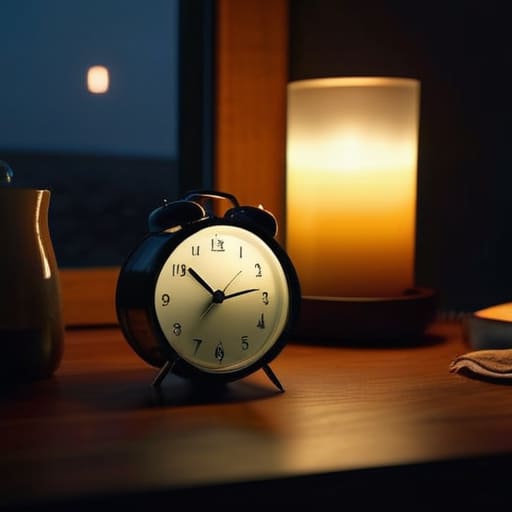
The reason most “routines” fail isn’t because you lack willpower; it’s because they are designed for people who don’t actually have sleep issues. You’ve likely been fed a list of generic sleep hygiene tips—buy a silk eye mask, drink chamomile, light a scented candle—as if these small luxuries can override a fundamental lack of circadian rhythm alignment. If your wake-up time fluctuates by two hours between Tuesday and Saturday, no amount of lavender oil is going to fix the biological confusion you’re feeding your brain.
We also need to talk about the obsession with “perfect” nighttime relaxation techniques. I see patients in the clinic every week who spend more energy trying to relax than actually resting. They treat their evening like a performance, checking their pulse or monitoring a digital countdown to lights out. This creates a state of hyperarousal that is the exact opposite of what you need. Most people don’t need a complex, twelve-step ritual; they need to stop treating sleep like a task to be conquered and instead focus on the physiological basics that actually allow the body to downregulate.
A Complete Guide to Evening Routines Built on Evidence
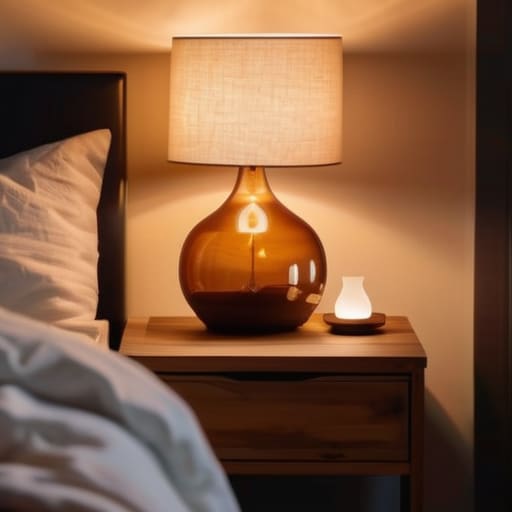
If we are going to build something that actually works, we have to stop treating an evening routine like a spa ritual and start treating it like biological preparation. The goal isn’t to “pamper” yourself; it is about circadian rhythm alignment. This means signalling to your brain that the day is over through consistent environmental cues. Instead of a frantic attempt at a “digital detox before bed“—which most people fail at by 9:00 PM—focus on light management. Dim the overheads and switch to low-level, warm lamps an hour before you intend to be horizontal. You are trying to encourage natural melatonin production, not performing a feat of willpower against a smartphone.
Secondly, we need to address your core body temperature. I see this in the clinic constantly: people trying every mindfulness practice under the sun while sleeping in a room that feels like a sauna. True preparing for better sleep involves a deliberate cooling of the body. A warm bath can actually help, not by heating you up, but by drawing blood to the surface of your skin so that once you step out, your core temperature drops rapidly. That drop is the physiological trigger your brain needs to initiate sleep.
Circadian Rhythm Alignment the Science of Timing Your Wind Down
The biggest mistake I see in clinic isn’t that people are doing the “wrong” things; it’s that they are doing the right things at the wrong time. You can practice all the evening mindfulness practices you like, but if you’re trying to force sleep at 10:00 PM when your biological clock thinks it’s mid-afternoon, you’re fighting a losing battle against your own neurobiology. This is where circadian rhythm alignment becomes more important than any specific ritual. Your brain needs a predictable sequence of signals to transition from alertness to rest, and those signals are primarily driven by light and consistency.
Instead of obsessing over a perfect “wind-down” list, focus on the anchors. This means stabilizing your wake time—yes, I know, I asked you that earlier—and managing light exposure in the two hours before you intend to sleep. A digital detox before bed isn’t just about avoiding blue light; it’s about reducing the cognitive stimulation that tells your brain the day is still in progress. If you want to actually prepare for better sleep, stop treating your evening as a frantic race to the finish line and start treating it as a slow, predictable descent.
Moving Beyond Sleep Hygiene Tips Toward True Biological Readiness
The problem with most sleep hygiene tips is that they treat sleep like a light switch you can just flick off if you follow the right ritual. They suggest things like “avoiding caffeine” or “dimming the lights,” which are fine, but they are superficial. They address the environment without addressing the biological engine underneath. You can sit in a dark, quiet room for two hours, but if your core body temperature is still too high or your cortisol levels are spiking because you’ve been staring at a spreadsheet, you aren’t actually preparing for better sleep; you’re just sitting in the dark being frustrated.
True biological readiness is about signaling to your nervous system that the day is over. This isn’t about a performative digital detox before bed just because an influencer told you to; it’s about reducing the cognitive load that keeps your brain in a state of high-frequency alertness. We need to move away from “relaxing” as a vague concept and toward lowering physiological arousal. This means managing your light exposure and temperature so that your brain can actually begin the transition from wakefulness to sleep, rather than forcing a state of rest that your biology is actively resisting.
The Digital Detox Before Bed More Than Just Avoiding Blue Light
We need to stop talking about blue light as if it’s the sole villain in this story. While the suppression of melatonin by short-wavelength light is a real physiological mechanism, the bigger issue is what that light represents: active cognitive engagement. When you are scrolling through a newsfeed or responding to a work email, you aren’t just exposing your retinas to light; you are keeping your brain in a state of high-frequency alertness. You are essentially telling your nervous system that the day is still happening, which is the exact opposite of what we need for preparing for better sleep.
A true digital detox before bed isn’t about buying expensive blue-light-blocking glasses; it’s about lowering your cognitive load. I see patients all the time who have mastered the “hygiene” part—dim lights, cool room—but they spend the final hour of their day in a state of dopamine-driven reactivity. If you want to move toward actual biological readiness, you have to swap the scroll for something that doesn’t require an opinion or an immediate reaction. Whether it’s reading a physical book or just sitting in silence, the goal is to move from doing to being.
Nighttime Relaxation Techniques That Actually Prepare You for Better Sleep
We need to stop treating “relaxation” like a luxury item or a spa day. In the clinic, I see far too many people attempting intense, structured meditation for forty minutes only to end up more frustrated because they “can’t clear their mind.” If you are forcing yourself to sit in silence while your brain is still firing on all cylinders, you aren’t relaxing; you’re just performing a chore. Real nighttime relaxation techniques should be low-effort and low-stakes. Think of them as a gentle deceleration rather than a hard brake.
Instead of chasing a state of profound Zen, I recommend focusing on sensory shifts that signal to your nervous system that the day is over. This might be a warm bath—not because of the scent, but because the subsequent drop in core body temperature is a biological trigger for sleep—or even simple progressive muscle relaxation. The goal isn’t to achieve enlightenment; it’s about lowering your physiological arousal. When we talk about preparing for better sleep, we are really talking about moving from a sympathetic state (fight or flight) into a parasympathetic one (rest and digest). If a technique feels like work, discard it.
Five Things to Stop Obsessing Over (and Three to Actually Do)
- Stop checking your sleep score the second you wake up. Your wearable is an estimation tool, not a clinical polysomnography; obsessing over a fluctuating number creates a feedback loop of anxiety that makes the next night’s sleep even harder to achieve.
- Fix your bedroom temperature before you buy a new pillow. Most people are trying to “relax” in a room that is far too warm, which prevents the core body temperature drop necessary to initiate deep sleep stages.
- Prioritise a consistent wake-up time over a consistent bedtime. You cannot force yourself to fall asleep at 10 PM if your brain thinks the day starts at noon; you have to anchor your circadian rhythm from the morning side.
- Stop looking for “magic” supplements to replace basic biology. Magnesium and melatonin are frequently misused; if your light exposure and temperature are a mess, no amount of powder is going to fix your sleep architecture.
- Build a “buffer zone” that is boring, not performative. You don’t need a complex, ten-step ritual involving expensive oils; you need thirty minutes of low-stimulation activity that signals to your nervous system that the demands of the day are officially over.
The Bottom Line: What Actually Matters
Stop chasing “perfect” sleep scores on your wearable; they are mathematical guesses, not clinical measurements, and obsessing over them is more likely to keep you awake than help you rest.
Consistency in your wake-up time is more biologically significant than the time you crawl into bed; your circadian rhythm needs a predictable anchor, not a shifting target.
Ditch the expensive wellness gadgets and focus on the fundamentals—lowering your bedroom temperature and managing light exposure—before you spend a penny on “sleep aids.”
Frequently Asked Questions
If my evening routine is perfect but I'm still waking up exhausted, could it be an underlying clinical issue like sleep apnea rather than just a bad habit?
If your routine is textbook-perfect and you’re still waking up feeling like you’ve gone ten rounds in a boxing ring, stop blaming your habits. You can have the dimmest lights and the coolest bedroom in the country, but if your airway is collapsing or your brain is being jolted awake by micro-arousals, no amount of lavender or magnesium will save you. That’s not a “bad habit”; that’s a clinical issue that needs a proper sleep study, not more discipline.
How much does my actual wake-up time matter if I've already managed to settle down with a consistent evening routine?
It matters immensely. I know it feels counterintuitive—you’ve done the hard work of winding down, so why does the morning matter? Because sleep isn’t just about how you drift off; it’s about the anchor that holds your entire biological clock in place. If you settle down at 10 PM but sleep in until 9 AM on weekends, you’re effectively giving yourself jet lag every Monday. Consistency in your wake time is what actually stabilizes your rhythm.
My wearable says I'm getting "poor quality" sleep despite following these steps; should I be adjusting my routine based on those scores?
Put the tracker in a drawer. I say this as someone who has spent seventeen years scoring actual polysomnography data in a lab, and I mean it. Your wearable is not measuring sleep; it is using heart rate and movement to make an educated guess. It cannot see your brain waves. If you feel rested, trust your biology, not an algorithm designed to keep you engaged with an app. Stop letting a “sleep score” dictate your well-being.