I spent ten years in a darkened sleep lab, watching patients struggle through the night while wired to a headbox, and I can tell you this: nobody was ever woken up by a “blue light deficiency” that couldn’t be fixed by a simple change in habit. We’ve turned a very straightforward physiological response into this massive, expensive industry of blue-light blocking glasses and specialized apps. The truth about how screens in the bedroom affect sleep is often far less dramatic than the marketing suggests, but far more personal than you’ve been led to believe. It isn’t just about the light hitting your retinas; it’s about the psychological dopamine hit of a late-night scroll that keeps your brain in a state of high alert when it should be winding down.
I’m not here to sell you a new gadget or a subscription to a meditation app. My goal is to strip away the nonsense and explain what is actually happening to your neurobiology when you bring a smartphone into your sanctuary. I will tell you exactly where the science ends and the marketing hype begins, so you can stop worrying about your “sleep score” and start focusing on the habits that actually matter.
The Great Screen Myth How Screens in the Bedroom Affect Sleep
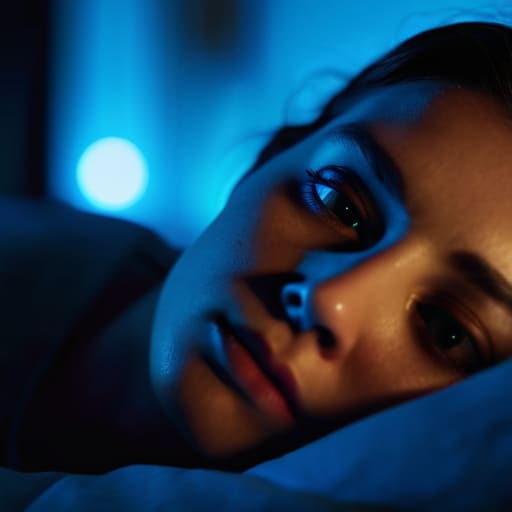
We need to have a serious conversation about the “blue light” panic. If you’ve spent any time on wellness TikTok, you’ve been told that a single glance at a smartphone is enough to permanently wreck your biology. It’s a bit dramatic, isn’t it? While it is true that blue light and melatonin production are linked—specifically, that short-wavelength light can suppress the hormone that tells your brain it’s night time—the light from your phone isn’t some magical poison. The real issue isn’t just the spectrum of light hitting your retinas; it’s the cognitive arousal that comes with it.
When you are scrolling through a newsfeed or an endless loop of short-form videos, you aren’t just absorbing light; you are engaging your brain in a state of high alertness. This is where we see the real impact of smartphone usage on REM sleep. You might actually fall asleep, but your brain hasn’t had the chance to wind down from the dopamine hits and the emotional spikes of what you’ve just read. You aren’t suffering from a medical disorder; you are simply keeping your brain too busy to rest.
Blue Light and Melatonin Production More Than Just Brightness
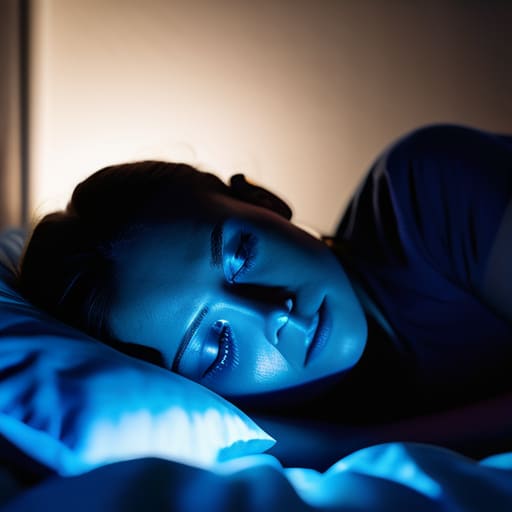
We need to talk about the biology here, because it isn’t just about the light being “bright.” When you stare at a smartphone in the dark, you are sending a very specific, very loud signal to your brain that it is midday. This is where the real issue of blue light and melatonin production comes in. Melatonin is that gentle chemical messenger that tells your body it’s time to wind down; it doesn’t care if you feel tired, it cares about what your eyes are seeing. The short-wavelength light from your screen mimics daylight so effectively that it can essentially trick your brain into delaying that hormonal shift.
This isn’t just a minor inconvenience; it is a fundamental circadian rhythm disruption. By suppressing melatonin, you aren’t just making it harder to fall asleep—you are shifting your internal clock. I see this constantly in clinic: patients who are convinced they have chronic insomnia, but in reality, they have simply pushed their biological onset of sleep back by two hours through constant engagement with their devices. It isn’t a medical mystery; it’s a physiological response to a digital environment that refuses to dim.
Circadian Rhythm Disruption Why Your Phone Thinks It Is Noon
It isn’t just about the light hitting your retinas; it’s about the biological confusion you’re triggering. Your brain is an ancient machine, governed by a highly sensitive internal clock that expects certain environmental cues to signal the end of the day. When you spend your final hour of wakefulness scrolling through a feed, you are effectively sending a series of contradictory signals to your hypothalamus. This circadian rhythm disruption occurs because your brain can no longer distinguish between the midday sun and the artificial glow of your smartphone. You aren’t just “staying up late”; you are actively convincing your biology that the day has not yet ended.
This is where the clinical reality gets messy. Even if you manage to drift off, the impact of smartphone usage on REM sleep is often significant. Because your body is stuck in a state of physiological alertness, the architecture of your sleep becomes fragmented. You might sleep for eight hours, but if your brain spent the first half of the night fighting a perceived midday sun, you will wake up feeling like you’ve been running a marathon rather than resting.
The Silent Thief Impact of Smartphone Usage on Rem Sleep
It isn’t just about how long it takes you to drift off; it’s about the quality of the architecture you build once you’re under. In the clinic, I see patients who claim they sleep “eight hours,” yet they feel like they’ve been hit by a truck. When we look at the data, the culprit is often a fragmented architecture. The impact of smartphone usage on REM sleep is particularly insidious because it doesn’t just delay sleep; it thins it out. That late-night scroll through news feeds or social media keeps your brain in a state of high-frequency alertness, making it much harder for your nervous system to transition into those deep, restorative REM cycles where your brain processes emotion and memory.
Instead of the smooth, rhythmic waves we expect to see on a polysomnogram, we see a jagged, interrupted pattern. You aren’t just losing minutes; you are losing the depth of your cognitive recovery. This is why a “digital detox before bed” isn’t just some wellness influencer’s catchphrase—it is a physiological necessity. If your brain is still processing a stressful email or a dopamine-spiking video, it won’t permit the deep dive into REM that you actually need to function the next day.
Evening Screen Time Effects Why Your Tracker Misses the Mark
I see it every week in the clinic: a patient arrives, clutching a printout from their latest wearable, convinced they have a profound sleep disorder because their “Sleep Score” plummeted. They show me these graphs as if they are gospel, but here is the reality: your tracker has no idea what is happening in your brain. It is measuring movement and heart rate variability, not the neurological shifts that define true rest. If you’ve spent the last two hours scrolling through news feeds, your tracker might show you “slept” for seven hours, but it cannot capture the fragmented architecture of a brain that was overstimulated right up until the moment you closed your eyes.
The evening screen time effects are often invisible to consumer tech. A device can tell you that you were still, but it can’t tell you that your melatonin production was suppressed or that your brain was stuck in a state of high-alert cognitive processing. This is why I tell my patients to stop obsessing over the numbers and start looking at their habits. A digital detox before bed isn’t just a wellness trend; it is about giving your nervous system the space to actually transition into sleep, rather than expecting a piece of plastic on your wrist to accurately diagnose the chaos caused by a smartphone.
Beyond Basic Sleep Hygiene a Real Digital Detox Before Bed
We need to stop treating “sleep hygiene” like a checklist of chores you can just tick off to earn a good night’s rest. Most people I see in the clinic have tried the standard advice—dimming the lights, no caffeine after noon—yet they still feel like they’re running on empty. The problem is that a casual digital detox before bed isn’t just about putting the phone in another room; it’s about acknowledging that your brain has been in a state of high-frequency stimulation for the last three hours. You can’t expect your nervous system to flip a switch from “scrolling through news alerts” to “deep restorative sleep” in the five minutes it takes to brush your teeth.
If you want to actually see a difference in how you feel when the alarm goes off, you have to create a buffer zone. This means transitioning away from interactive, dopamine-driven devices at least sixty minutes before you intend to close your eyes. I’m not suggesting you live like a monk, but you must recognize that the impact of smartphone usage on REM sleep is often driven by the cognitive engagement of the content, not just the light hitting your retinas. Stop trying to “optimize” your sleep with an app and start giving your brain the silence it actually requires.
Practical Steps for a Screen-Free Sanctuary
- Stop the “one last scroll” habit; your brain doesn’t have an off-switch, and that dopamine hit from a notification is a physiological wake-up call you simply cannot undo once you’ve closed your eyes.
- Move your phone to another room entirely; if it’s on your nightstand, you’ve already lost the battle, and using a traditional alarm clock removes the temptation to check your emails before your feet even hit the floor.
- If you absolutely must use a device, switch to an e-reader with an e-ink display rather than a tablet; it lacks the aggressive backlighting that tricks your pineal gland into thinking the sun is rising.
- Set a “digital sunset” at least sixty minutes before you intend to sleep, treating it as a non-negotiable boundary rather than a suggestion, much like the temperature drop your body needs to initiate sleep.
- Disable all non-essential notifications and “push” alerts after 8 PM; the goal isn’t just to stop the light, but to stop the cognitive arousal that comes from being mentally tethered to the outside world when you should be winding down.
The Bottom Line: What Actually Matters for Your Sleep
Stop obsessing over your wearable’s “sleep score” after a late-night scroll; the device can’t see the cognitive stimulation of an argument in your comments section, which is often more disruptive than the light itself.
It isn’t just about blue light—it’s about the physiological state you’re inducing. A phone in a dark room is bad, but a phone in a warm room while your brain is racing is a recipe for a night of fragmented, low-quality rest.
Distinguish between a habit and a disorder. If your sleep is suffering because you can’t put the phone down, you don’t need a clinical intervention; you need a consistent wake time and a bedroom that isn’t an extension of your living room.
Frequently Asked Questions
If I use a blue light filter or "night mode" on my phone, does that actually fix the problem, or am I still messing up my circadian rhythm?
It’s a bit of a band-aid on a bullet wound. Yes, a blue light filter helps mitigate the specific suppression of melatonin, but it doesn’t solve the psychological stimulation. If you’re reading a heated news thread or scrolling through social media, your brain is in “alert mode,” not “rest mode.” You might be tricking your hormones, but you aren’t tricking your nervous system. The light is only half the battle; the engagement is the other.
Is the issue really the light itself, or is it just the mental stimulation of scrolling through news and social media that keeps my brain wired?
It’s both, but if I’m being honest, the mental stimulation is often the bigger culprit. The blue light is certainly doing its job of suppressing your melatonin, but you can’t ignore the physiological impact of a cortisol spike triggered by a stressful news headline or an argument in a comment section. You aren’t just fighting light; you’re fighting an activated nervous system. You can sit in a pitch-black room, but if your brain is still racing, you aren’t sleeping.
My sleep tracker says I'm getting enough sleep even when I use my phone right until I close my eyes; why is there such a massive gap between my data and how I actually feel?
Because your tracker is measuring movement and heart rate, not brain waves. It sees you lying still and assumes you’re “sleeping,” but it can’t see that your brain is still firing on all cylinders from that last scroll. You might be technically unconscious, but you aren’t achieving the restorative architecture your body actually needs. You’re essentially skimming the surface of sleep rather than diving in, and no gadget can measure that cognitive restlessness.