
I spent a decade in darkened sleep labs, watching the rhythmic, jagged lines of polysomnography tell stories that patients were too exhausted to voice. I’ve sat with people who are convinced their brain has simply “broken,” when in reality, they are caught in a brutal, physiological feedback loop. Most of the wellness blogs will tell you that you just need a weighted blanket or a magnesium supplement, but that is a patronizing dismissal of the biological reality of how depression affects sleep. It isn’t just about feeling “blue” and staying awake; it is a profound disruption of your sleep architecture that can make even the most disciplined sleep hygiene feel like trying to hold back the tide with a teaspoon.
I am not here to sell you a lifestyle hack or a new wearable that will only give you more data to worry about. My promise is to strip away the clinical jargon and the empty “self-care” platitudes to explain what is actually happening to your brain and body during these episodes. We are going to look at the difference between temporary sleep disruption and the deep-seated shifts in your circadian rhythm, so you can finally stop blaming your willpower and start understanding the actual mechanics of your rest.
Is It a Chemical Imbalance or Just a Broken Routine
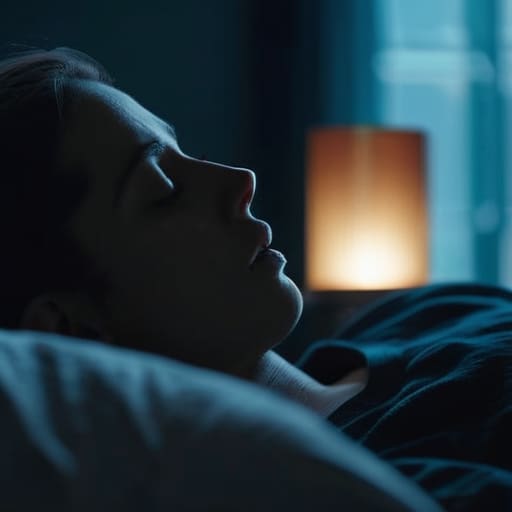
When I sit across from a patient in the clinic, they often present a circular logic: they can’t sleep because they feel low, and they feel low because they haven’t slept. It’s a catch-22 that feels impossible to break. We tend to talk about depression as if it’s just a “chemical imbalance” in the brain, but from a physiological standpoint, it is often a profound circadian rhythm disruption. Your internal clock isn’t just ticking a bit slower; it’s losing its ability to signal when it is time to be alert and when it is time to descend into restorative sleep.
The danger lies in how we treat the symptoms. If we treat a broken routine with nothing but “self-care” tips, we miss the biological reality. However, if we ignore the lifestyle component, we ignore the most powerful lever we have. For many, the insomnia and mental health connection is a bidirectional street; the sleep fragmentation caused by depression makes it harder for your brain to regulate emotions the following day, creating a feedback loop of irritability and exhaustion. We have to figure out if your brain is struggling to find its rhythm, or if your rhythm has been dismantled by the very illness you’re fighting.
How Depression Affects Sleep and Ruins Your Circadian Rhythm

When we talk about the link between mood and rest, we aren’t just talking about being too sad to sleep. We are talking about a profound biological breakdown. Depression often triggers a significant circadian rhythm disruption, where your internal clock stops being a reliable metronome and starts acting like a broken watch. Instead of your body signaling for sleep when the sun goes down, your system stays in a state of high alert or, conversely, sinks into a heavy, unrefreshing lethargy that makes waking up feel physically impossible.
This isn’t just a side effect; it’s a feedback loop. The impact of sleep deprivation on emotional regulation is massive—when you haven’t moved through the necessary stages of deep and REM sleep, your brain loses its ability to buffer stress. You become more reactive, more volatile, and more prone to the very low moods that started the cycle. It becomes a physiological trap: the depression breaks your sleep, and the broken sleep makes the depression harder to fight. We have to stop treating these as two separate issues and start seeing them as one single, interconnected biological struggle.
The Insomnia and Mental Health Connection Distinguishing the Two
This is where the clinical reality gets messy. In the clinic, I often see patients caught in a brutal feedback loop: they can’t sleep because their mind is racing with depressive thoughts, and because they haven’t slept, they lack the emotional bandwidth to manage those thoughts. It becomes a “chicken or egg” scenario that is incredibly difficult to untangle. When we talk about the insomnia and mental health connection, we aren’t just talking about being tired; we are talking about a physiological cycle where sleep deprivation actively impairs your ability to regulate emotions.
The danger lies in treating them as two separate problems. If you only treat the insomnia with sedatives, you might mask the symptom without addressing the underlying mood disorder. Conversely, if you only treat the depression, you might find that your sleep architecture remains fractured. This is why I often point patients toward cognitive behavioral therapy for insomnia (CBT-I), even when depression is present. We have to stabilize the sleep structure to give the brain the biological foundation it needs to engage with psychological recovery. You cannot rebuild a house while the ground underneath it is still shifting.
Why Melatonin Levels and Mood Disorders Are Often Misdiagnosed
In the clinic, I often see patients who have been prescribed melatonin like it’s a magic wand for their mood, when in reality, they are caught in a biological feedback loop. The issue is that melatonin levels and mood disorders are inextricably linked, but they aren’t a simple one-way street. When you are in the thick of a depressive episode, your internal clock isn’t just “off”—it’s often fundamentally misaligned. We see a profound circadian rhythm disruption in depression that makes the timing of melatonin secretion erratic. If you take a supplement at 9 PM but your biological rhythm is actually drifting toward a 3 AM onset, you aren’t fixing the problem; you’re just adding more noise to a broken system.
This is where the misdiagnosis happens. A clinician might see low melatonin and assume it’s the cause of the low mood, rather than a symptom of a deeper physiological shift. It becomes a game of chasing shadows. Instead of addressing the underlying biological timing, we end up treating the chemical byproduct, which rarely provides the long-term stability people actually need to feel human again.
The Impact of Sleep Deprivation on Emotional Regulation
When I’m sitting in clinic with a patient, they often describe a feeling of being “raw” or “on edge.” They aren’t just tired; they feel like they’ve lost their emotional skin. This is the physiological reality of the impact of sleep deprivation on emotional regulation. When you aren’t getting restorative sleep, the communication between your prefrontal cortex—the logical, “adult” part of your brain—and your amygdala, the emotional alarm system, begins to fray. Without that top-down control, every minor setback feels like a catastrophe. You aren’t just “grumpy”; your brain has lost its ability to dampen the noise of stress.
This creates a vicious, self-perpetuating cycle. If you are struggling with low mood, your brain is already primed to scan for threats and negativity. When you add sleep loss to that mix, you are essentially driving a car with no brakes. You might find yourself reacting with disproportionate anger or sinking into deeper bouts of despair because your biological capacity to buffer against stress has been stripped away. It isn’t a failure of willpower; it is a fundamental breakdown in how your brain processes the world.
Moving Beyond Hygiene Cognitive Behavioral Therapy for Insomnia
When I see patients in the clinic, they are often exhausted by the endless cycle of “sleep hygiene” checklists. They’ve been told to dim the lights, avoid screens, and drink chamomile tea, yet they are still staring at the ceiling at 3:00 AM. If you are struggling with the heavy, cyclical weight of depression, being told to “just relax” is not only unhelpful—it’s insulting. This is because generic sleep hygiene for depression management often fails to address the deep-seated cognitive patterns that keep the brain in a state of hyperarousal.
This is where cognitive behavioral therapy for insomnia (CBT-I) becomes essential. Unlike a simple list of habits, CBT-I is a structured approach that targets the psychological and physiological drivers of sleeplessness. It works by retraining your brain to associate the bed with sleep rather than with the anxiety of being awake. For those navigating the complex insomnia and mental health connection, this isn’t about “trying harder” to sleep; it’s about systematically dismantling the learned behaviors and catastrophic thoughts that turn a bad night into a chronic disorder.
Beyond the 'sleep hygiene' checklist: Practical steps for a disrupted mind
- Stop chasing the perfect bedtime. When depression is pulling the strings, your circadian rhythm is already a mess; trying to force yourself into a rigid 10 PM slot often just leads to lying awake and ruminating. Focus on a consistent wake-up time instead—even if you didn’t sleep a wink—to help anchor your biological clock.
- Ditch the trackers for a while. If you’re struggling with low mood, seeing a ‘poor sleep score’ on your wrist at 3 AM is just more data to fuel your anxiety. Your wearable cannot measure the psychological weight of your sleep, so stop letting a piece of plastic tell you how much you’ve failed at resting.
- Manage the ‘tired but wired’ paradox. Depression often creates a state of hyperarousal where your body is exhausted but your brain refuses to downshift. Rather than fighting for sleep, try ‘non-sleep deep rest’ or gentle physiological regulation—think breathwork or progressive muscle relaxation—to signal to your nervous system that it is safe to descend.
- Audit your light exposure, not just your darkness. It isn’t just about avoiding blue light at night; it’s about getting actual, meaningful light in the morning. If your mood is low, your drive to see the sun is low, but that morning light is one of the few non-pharmacological ways to nudge your melatonin production back into a semblance of order.
- Separate your bed from your struggle. If you are spending hours in bed battling intrusive thoughts or the heaviness of depression, your brain is learning to associate the mattress with distress. If you aren’t sleeping, get out of bed. Sit in a chair in dim light. Do not let your bed become a theatre for your mental health battles.
The Bottom Line: Separating Mood from Mechanics
Stop treating your sleep as a symptom of your mood alone; while depression disrupts your sleep architecture, you must also address the physiological fallout, like circadian misalignment, that keeps the cycle spinning.
Beware the “sleep hygiene” trap—if you are dealing with a clinical depressive episode, telling you to “stop looking at screens” is like offering a plaster for a broken leg; you need targeted psychological or medical intervention, not just a darker bedroom.
Distinguish between a temporary disruption and a chronic pattern; if your sleep issues persist even when your mood stabilizes, you aren’t just “tired of being sad,” you may be dealing with a secondary sleep disorder that requires a clinical diagnosis.
Frequently Asked Questions
If my sleep is being disrupted by depression, will a standard sleep study actually show the difference between a mood disorder and something like sleep apnea?
The short answer is: yes, but not in the way you might think. A standard polysomnography won’t flag “depression” on a printout, but it will show the physiological fallout. While it can definitively rule out sleep apnea by tracking your breathing and oxygen levels, it also captures the fragmented architecture—the frequent micro-arousals and shallow sleep stages—that depression leaves behind. It helps us see if your struggle is a breathing issue or a biological rhythm disruption.
My wearable says my sleep quality is plummeting, but is that a reliable way to track how my mental health is affecting my rest?
Put the watch in a drawer for a moment. I say this with love, but your wearable isn’t a medical device; it’s an accelerometer with an opinion. It can tell if you’re moving, but it cannot tell if you are actually sleeping, let alone the quality of your neurobiology. If your mental health is fraying, your sleep architecture will certainly change, but your tracker is just guessing at the “why.” Trust your daytime fatigue, not a proprietary sleep score.
Should I be trying to fix my sleep schedule first to help my mood, or treat the depression first to help my sleep?
It’s the ultimate “chicken or the egg” dilemma, isn’t it? If you try to force a rigid sleep schedule while your mood is bottoming out, you’ll likely fail and feel even more defeated. Conversely, treating depression without addressing your circadian rhythm is like trying to fix a car engine while the wheels are misaligned. I usually tell patients to aim for the middle: stabilize your wake time first—even if you slept poorly—to give your biology a fighting chance.