
If you’ve spent any time scrolling through wellness blogs lately, you’ve probably been bombarded with a “complete guide to better sleep” that involves expensive magnesium supplements, weighted blankets, and some high-tech wearable that promises to decode your soul via your wrist. Honestly? It’s exhausting. I’ve spent seventeen years in an NHS sleep clinic, watching people struggle through overnight studies while wired to a headbox, and I can tell you that most of this expensive noise is just distraction. We’ve turned sleep into a performance, a data point to be optimized, when for most people, the solution isn’t found in a shiny new gadget, but in the basics we’ve collectively ignored.
I’m not here to sell you a lifestyle or a subscription to a sleep app. My promise is much simpler: I am going to help you strip away the hype and find out if you are actually dealing with a clinical disorder or if you’ve just accidentally built a life that makes rest impossible. We will look at what a real sleep study actually measures, why your tracker is likely lying to you, and how to tell the difference between a bad habit and a medical issue. This isn’t about perfection; it’s about getting it right.
Stop Wasting Time a Complete Guide to Better Sleep
First, we need to clear the air about what “better sleep” actually looks like. Most of the wellness industry treats sleep like a performance metric you can hack with a supplement or a new pillow, but that’s nonsense. If you want to understand improving sleep quality science, you have to stop looking at the gadgets and start looking at your biology. Real progress isn’t found in a “sleep score” on your wrist; it’s found in how your body manages its internal clock.
If you aren’t consistent with when you actually open your eyes in the morning, you are fighting a losing battle against your own biology. This is the foundation of circadian rhythm optimization. Without a predictable anchor point in the morning, your brain has no idea when to start the countdown to sleep. You can try every fancy restorative sleep technique in the book, but if your wake time is a moving target, you’re just spinning your wheels. We need to stop treating sleep as a luxury we can squeeze into the gaps of our lives and start treating it as the non-negotiable physiological process it actually is.
Why Your Tracker Is Lying About Nocturnal Sleep Cycles Explained
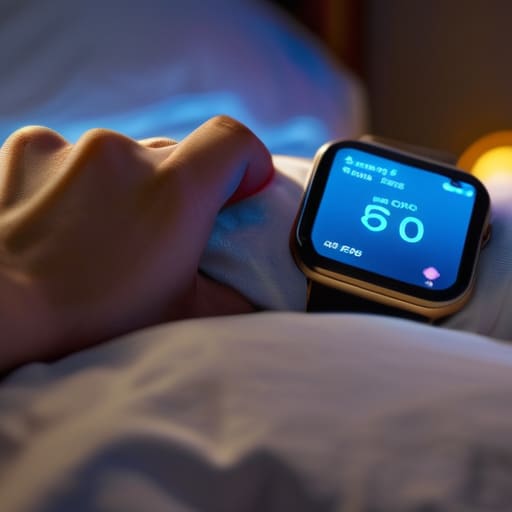
I see it every single week in the clinic: a patient clutching their smartwatch like a holy relic, distraught because their “Sleep Score” was a 54 last night. They are convinced they didn’t enter deep sleep, or that their REM cycles were truncated. Here is the hard truth from someone who has spent seventeen years scoring actual polysomnography: your wrist-worn device is not a medical instrument. While they are clever at detecting movement, they are essentially guessing at your brainwave activity. They cannot see the electrical oscillations in your cortex that actually define nocturnal sleep cycles explained in a clinical setting.
When your tracker tells you that you had “poor quality” sleep, it’s often just reacting to you shifting in bed or a slight rise in skin temperature. This creates a feedback loop of anxiety that actually disrupts your circadian rhythm optimization. You end up performing “sleep hygiene” for an algorithm rather than for your own physiology. If you want to focus on improving sleep quality science, stop looking at the colorful charts on your phone and start looking at whether you actually feel rested when the alarm goes off.
Habit or Disorder the Truth About Improving Sleep Quality Science
In my seventeen years in the clinic, I’ve seen the same pattern repeat: patients arrive convinced they have a chronic neurological issue, only for us to find their problem is actually a series of fragmented habits. There is a massive difference between a physiological sleep disorder and a failure of circadian rhythm optimization. If your body doesn’t know when the day begins because your wake time fluctuates by two hours every weekend, you aren’t “broken”—you’re just out of sync.
The trouble is that most online advice lumps these two groups together. If you have sleep apnea, telling you to “limit screen time” is like telling someone with a broken leg to try walking more carefully; it’s patronizing and medically irrelevant. On the other hand, if your issue is purely behavioral, no amount of clinical intervention will help until you fix your sleep hygiene practices. We need to stop treating every bout of restlessness as a medical emergency and start distinguishing between the person who needs a CPAP machine and the person who simply needs to stop sleeping in a room that feels like a sauna.
Mastering Circadian Rhythm Optimization Without the Expensive Gimmicks
You don’t need a $300 sunrise lamp or a subscription to a meditation app to master your circadian rhythm. Most of the “optimization” tools being sold to you are just expensive ways to do what your biology already knows how to do. The real driver of your internal clock isn’t a gadget; it’s light and timing. If you want to support melatonin production naturally, you need to stop treating your eyes like they don’t have sensors. Getting bright, natural light in your eyes within thirty minutes of waking up is more effective than any supplement, and it’s entirely free.
The second half of the equation is the “darkness” side. We live in a world of constant, low-level blue light pollution that tells your brain it’s midday when it’s actually midnight. Instead of buying “blue light blocking” glasses that often do more harm than good, focus on lowering the ambient light in your home an hour before you intend to sleep. It’s about signaling to your nervous system that the day is done. This isn’t about perfection; it’s about consistent environmental cues that allow your body to transition into sleep without a fight.
Ditch the Fluff Real Sleep Hygiene Practices That Actually Work
We need to stop treating “sleep hygiene” like a lifestyle trend involving lavender mists and expensive silk eye masks. Most of the fluff you see on Instagram does nothing for your physiology. If you want to actually move the needle on your sleep, you need to focus on the variables that govern your biology. This means getting sunlight in your eyes as soon as possible after waking to anchor your internal clock, and more importantly, keeping your bedroom temperature low. Your core temperature needs to drop to initiate sleep; if you’re tossing and turning in a room that feels like a sauna, you aren’t practicing hygiene, you’re fighting your own biology.
The real heavy lifting comes from consistent light management. This isn’t about “blue light glasses”—which, frankly, are a bit of a gimmick—but about understanding how light exposure dictates melatonin production naturally. Dimming the lights an hour before bed isn’t just a suggestion; it is a biological signal. When you combine a cool room with a predictable light-dark cycle, you are finally applying restorative sleep techniques that actually respect how the human brain is wired to function.
Boosting Melatonin Production Naturally and Mastering Restorative Sleep Tec
We need to stop treating melatonin like a magic switch you can just flip with a supplement. In the clinic, I see people who are desperate to boost melatonin production naturally, but they’re doing it while staring at a smartphone screen that’s effectively telling their brain it’s midday. Melatonin isn’t just a chemical; it’s a signal of darkness. If you aren’t managing your light exposure—specifically that aggressive blue light in the evening—you are fighting a losing battle against your own biology. True circadian rhythm optimization starts with the sun in the morning and ends with dim, warm light in the evening.
Once you’ve sorted the light, we need to talk about how you actually transition into those deeper stages of rest. Many people mistake “lying still in the dark” for sleep, but if your nervous system is still humming from a stressful day, you aren’t achieving restorative sleep techniques. I’m not talking about expensive meditation apps; I’m talking about lowering your core body temperature and practicing physiological sighs to signal to your brain that the hunt is over. If you can’t settle your mind, you won’t move through your nocturnal sleep cycles effectively, no matter how many pills you take.
The Clinical Essentials: Five Things That Actually Move the Needle
- Fix your wake-up time before you touch your bedtime. If you’re waking up at 7 am on Tuesday and 10 am on Saturday, you aren’t “catching up” on sleep; you are effectively giving yourself jet lag every single week. Consistency in the morning is what anchors your biology.
- Drop the thermostat. I see patients all the time who are struggling with fragmented sleep because their bedroom is a sauna. Your core body temperature needs to drop to initiate and maintain deep sleep; if you’re sleeping in a room that’s warmer than 18°C, you’re fighting an uphill battle against your own physiology.
- Stop checking your “Sleep Score” at 3 am. Your wearable is making an educated guess based on movement and heart rate, not a polysomnogram. If you wake up feeling refreshed, trust your body, not the little graph on your wrist that’s telling you that you had “poor recovery.”
- View sunlight within the first hour of waking. It’s not a wellness trend; it’s biology. Getting natural light into your eyes early in the day sets the timer for your melatonin production much later that evening. It’s the most effective, free circadian anchor you have.
- Distinguish between “trying harder” and “treating a disorder.” If you have optimized your temperature, your light exposure, and your schedule, and you are still gasping for air or unable to stay asleep, stop searching for “hacks” and go see a specialist. You can’t “hygiene” your way out of sleep apnea.
The Bottom Line
Stop treating your wearable’s “sleep score” as gospel; it is a consumer-grade estimation, not a clinical measurement, and obsessing over it often creates more anxiety than it solves.
Learn to distinguish between a lifestyle habit and a clinical disorder, because trying to “fix” a genuine sleep apnea or restless leg syndrome with nothing but better “hygiene” is a frustrating waste of your time.
Prioritise the basics that actually have physiological evidence: a consistent wake-up time and a cool, dark bedroom, rather than chasing the latest expensive sleep gimmicks.
Frequently Asked Questions
If my sleep study results came back "normal" but I still feel exhausted every day, what is the actual next step?
If your study was “normal” but you’re still dragging yourself through the day, don’t let anyone tell you it’s all in your head. A standard polysomnography is excellent at catching apnea or periodic limb movements, but it isn’t a catch-all for everything. We need to look closer at sleep architecture, your actual sleep efficiency, or even non-respiratory issues like restless sleep or subtle fragmentation. The next step isn’t more data; it’s a deeper clinical review.
How can I tell if my snoring is just a bad habit from sleeping on my back or a clinical issue like sleep apnoea that needs intervention?
If you only snore when you’re on your back, it’s likely positional—a habit we can fix with side-sleeping. But if you’re gasping for air, waking up with a headache, or feeling exhausted despite “eight hours” of sleep, that’s different. I’ve seen enough polysomnograms to know the difference between a noisy sleeper and someone struggling to breathe. If you’re partner says you stop breathing, stop guessing and get a clinical assessment. That’s not a habit; it’s a medical priority.
Since my wearable's sleep score is unreliable, are there any specific physical symptoms I should actually be tracking to monitor my sleep quality?
Forget the “sleep score.” If you want to know how you actually slept, stop looking at your wrist and start looking at your morning. Are you waking up with a headache or a dry mouth? Do you feel a heavy, brain-fogged lethargy by 11 AM? Most importantly, are you reliant on caffeine just to function? Those physiological cues—the physical cost of your night—are far more honest indicators of quality than any algorithm.