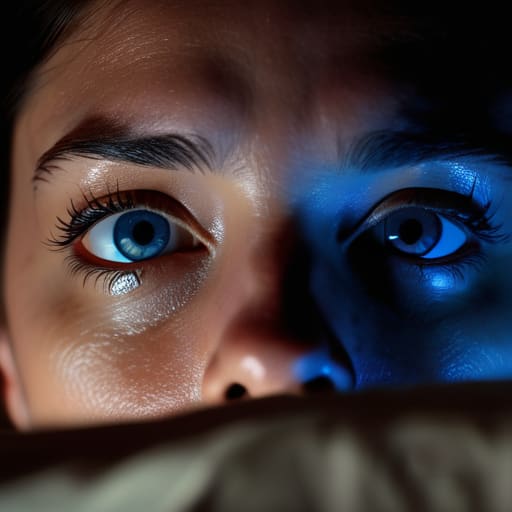
I spent ten years in a darkened sleep lab, watching patients drift in and out of stages of sleep while they were tethered to a headbox, and if there is one thing I’ve learned, it’s that the “wellness” industry is doing a massive disservice to anyone struggling with burnout. You’ve been sold this idea that you just need a magnesium supplement, a weighted blanket, or a specific breathing app to fix everything. But when we talk about how chronic stress affects rest, we aren’t just talking about feeling a bit “on edge” before bed; we are talking about a physiological state where your nervous system has forgotten how to downshift. Most of the expensive gadgets promising to “optimize” your recovery are just adding more data for you to obsess over, which, ironically, only fuels the cycle.
I’m not here to sell you a subscription or a new lifestyle brand. My goal is to strip away the noise and help you distinguish between a lifestyle habit that’s gone off the rails and a genuine physiological struggle. I want to explain what is actually happening to your brain chemistry when you’re stuck in high gear and, more importantly, which interventions actually have evidence behind them. We’re going to look at the science, ignore the marketing fluff, and figure out how to get you back to a state of genuine, restorative sleep.
Understanding How Chronic Stress Affects Rest

When I’m sitting in clinic with a patient, they rarely talk about “sleep hygiene.” They talk about the feeling of being wired but tired. That sensation is the hallmark of hyperarousal and insomnia, where your body has essentially forgotten how to downshift. It isn’t just that you’re worried about your mortgage or your boss; it’s that your sympathetic nervous system activation has become your default setting. Instead of your heart rate slowing and your core temperature dropping as you drift off, your body stays stuck in a state of high alert, scanning for threats that aren’t there.
This physiological state makes the distinction between “bad habits” and “disorders” incredibly blurry. You might try every piece of advice on the internet—dimming the lights, avoiding screens, drinking chamomile—only to find they do absolutely nothing. That’s because you aren’t fighting a lack of discipline; you’re fighting a biological system that believes it needs to stay awake to survive. We need to stop treating this as a willpower issue and start looking at it as a nervous system calibration problem.
Key Things to Know

First, we need to distinguish between “feeling tired” and actual physiological change. When you are under prolonged pressure, you aren’t just mentally exhausted; you are likely experiencing persistent sympathetic nervous system activation. This isn’t something you can simply “breathe away” with a ten-minute meditation app. It means your body has essentially forgotten how to downshift into the parasympathetic state required for deep, restorative sleep. You might find yourself staring at the ceiling at 3:00 AM, not because you’re worried about tomorrow’s meeting, but because your biology is stuck in a state of hyperarousal.
Secondly, stop looking for a magic pill to fix your “sleep hygiene.” If your nervous system is redlining, telling you to dim the lights or buy silk pillowcases is like putting a designer band-aid on a broken leg. We need to look at whether your stress is causing a genuine circadian rhythm disruption, where your internal clock and your actual sleep-wake patterns have drifted apart. If you’re experiencing that frantic, wired-but-tired feeling the moment your head hits the pillow, we aren’t looking at a “bad habit”—we are looking at a system that has lost its ability to find the off-switch.
Practical Tips and Steps
First, we need to address the physiological reality of what you’re feeling. When you are stuck in a cycle of chronic stress, you aren’t just “tired”; you are likely experiencing hyperarousal and insomnia. This means your nervous system is stuck in a state of sympathetic nervous system activation, making it physically difficult to transition into sleep even when you are exhausted. Instead of trying to “force” sleep—which is an impossible task—focus on lowering your baseline physiological tension. This might mean a period of non-sleep deep rest or very gentle movement in the late afternoon, rather than an intense workout that spikes your temperature right before bed.
Secondly, stop trying to fix your sleep by changing your bedtime. If your schedule is a moving target, you are inviting circadian rhythm disruption, which makes your internal clock lose its grip on when to release melatonin. My most practical advice? Pick a consistent wake-up time and stick to it, even on weekends. This stabilizes your cortisol awakening response and helps anchor your biology. If you find yourself staring at the ceiling, get out of bed. Don’t let your brain learn that the mattress is a place for worrying.
Common Mistakes to Avoid
The first mistake I see—and I see it in my clinic every single week—is the attempt to “force” sleep through sheer willpower. If you are stuck in a state of hyperarousal and insomnia, sitting in bed for eight hours staring at the ceiling is the worst thing you can do. You aren’t teaching your brain to sleep; you are teaching it that the bed is a place for combat. When your nervous system is stuck in a loop of sympathetic nervous system activation, your brain perceives the pillow as a battlefield, not a sanctuary.
The second mistake is falling into the trap of “orthosomnia”—the obsession with achieving a perfect sleep score on your wearable. I cannot stress this enough: your tracker is not a medical-grade polysomnogram. If you wake up feeling refreshed but your watch tells you your “sleep quality” was abysmal, you will trigger a stress response that ensures you won’t sleep well tomorrow. Stop letting a piece of silicon dictate your reality; if you feel fine, trust your body over the algorithm.
Final Thoughts
Look, I know how exhausting this cycle feels. When you’re stuck in a loop of daytime fatigue and nighttime dread, it’s easy to feel like your body has simply forgotten how to function. But please, stop trying to “force” sleep. You cannot willpower your way through hyperarousal and insomnia. If your nervous system is stuck in a state of constant sympathetic nervous system activation, no amount of lavender oil or expensive weighted blankets is going to magically switch that internal alarm off.
We need to stop treating sleep like a performance metric and start treating it like a biological process that requires the right conditions to emerge. My advice? Stop obsessing over the “sleep score” on your wrist; it’s just a noisy approximation that often fuels the very anxiety keeping you awake. Focus instead on the predictable basics: a consistent wake time and a cool, dark room. We aren’t looking for a perfect night every single time—we are looking to lower the stakes so your body feels safe enough to finally let go.
Stop trying to "force" sleep and start managing your physiology
- Stop treating your bed like a wrestling mat. If you’re lying there ruminating on every stressor from your workday, your brain is learning that the bed is a place for cognitive arousal, not rest. If you aren’t asleep after twenty minutes, get out. Go sit in a dim room and do something mindless until your body actually signals readiness.
- Stop obsessing over your “Sleep Score.” I see it in the clinic all the time: patients coming in distressed because their wearable told them they had poor REM sleep. Your tracker is an estimation tool, not a polysomnograph. If you feel rested, trust your body; if you feel exhausted, trust your symptoms, not the little graph on your wrist.
- Fix your wake-up time before you worry about your bedtime. Stress often leads to “social jetlag,” where we try to compensate for a bad night by sleeping in. This just shifts your circadian rhythm further into chaos. Pick a wake-up time and stick to it, even on weekends, to give your nervous system a predictable anchor.
- Lower your core temperature. Stress keeps your cortisol high, which keeps your body temperature elevated—the exact opposite of what you need for deep sleep. You can’t “think” your way into a lower temperature, so stop trying to meditate your way out of a hot room. Open a window or turn the thermostat down; physical cooling is a much faster signal to your brain than mental relaxation.
- Differentiate between “tired” and “wired.” There is a massive difference between being physically exhausted and being in a state of sympathetic nervous system overdrive. If you feel “wired,” more sleep hygiene won’t help as much as reducing the cognitive load during the day. You need to find ways to decompress before the sun goes down, rather than trying to perform a magic trick at 11 PM.
The Bottom Line
Stress and insomnia are not the same thing; one is a physiological state of hyperarousal, while the other is often just a consequence of a chaotic schedule and a bedroom that’s far too warm.
Stop letting your wearable dictate your worth. A “poor sleep score” on a tracker is a mathematical guess, not a clinical measurement, and obsessing over it will only keep your nervous system in overdrive.
If you’ve been told to “just relax” for years without seeing results, stop trying to fix your mindset and start looking at your biology—specifically your wake times and your environment.
Frequently Asked Questions
If I’m feeling exhausted all day but my brain won't shut off the moment my head hits the pillow, is that stress or a clinical sleep disorder?
That “tired but wired” feeling is the classic tug-of-war between a body that’s exhausted and a nervous system that’s stuck in overdrive. If your brain starts racing only when the lights go out, it’s often hyperarousal—likely stress or a lack of a wind-down ritual. However, if you’re also gasping for air or waking up with a racing heart, we need to look at clinical issues like sleep apnea. One is a habit; the other is a disorder.
My wearable says my "stress levels" were high during the night—should I be worried about my heart or is that just a glitch in the sensor?
Deep breaths. First, put the watch in a drawer for a moment. These wearables don’t actually measure “stress”; they measure Heart Rate Variability (HRV), which is a proxy at best. If you’re seeing a spike, it’s usually just your body reacting to something mundane—a heavy meal, a bit of alcohol, or even just a slight rise in room temperature. Unless you’re feeling palpitations or chest pain, it’s almost certainly a data quirk, not a cardiac crisis.
I’ve tried all the standard relaxation techniques and they haven't worked; how do I know if my nervous system is actually stuck in a loop?
If you’ve tried the breathing exercises and the magnesium supplements and still feel like you’re vibrating with tension the moment your head hits the pillow, we need to look closer. A “stuck” nervous system isn’t just feeling stressed; it’s a physiological state where your arousal levels stay high even when you’re exhausted. If your heart rate stays elevated throughout the night or you wake up feeling physically “wired,” you’re likely dealing with hyperarousal, not just a bad habit.